Static Dissipative · Conductive · Anti-Static
ESD & Anti-Static Floor Systems for Industry
Seamless ESD flooring engineered and manufactured by PumaCRETE: static dissipative and conductive epoxy and urethane systems for electronics plants, clean rooms, data centers, robot and AGV areas, and munitions facilities. Every floor is grounded, resistance-tested after cure and documented to ANSI/ESD S20.20.
GET A QUOTE

Tested to ANSI/ESD S20.20
Body voltage under 15 V
Dissipative & conductive
Thin-film to heavy-duty
Turnkey, materials or training
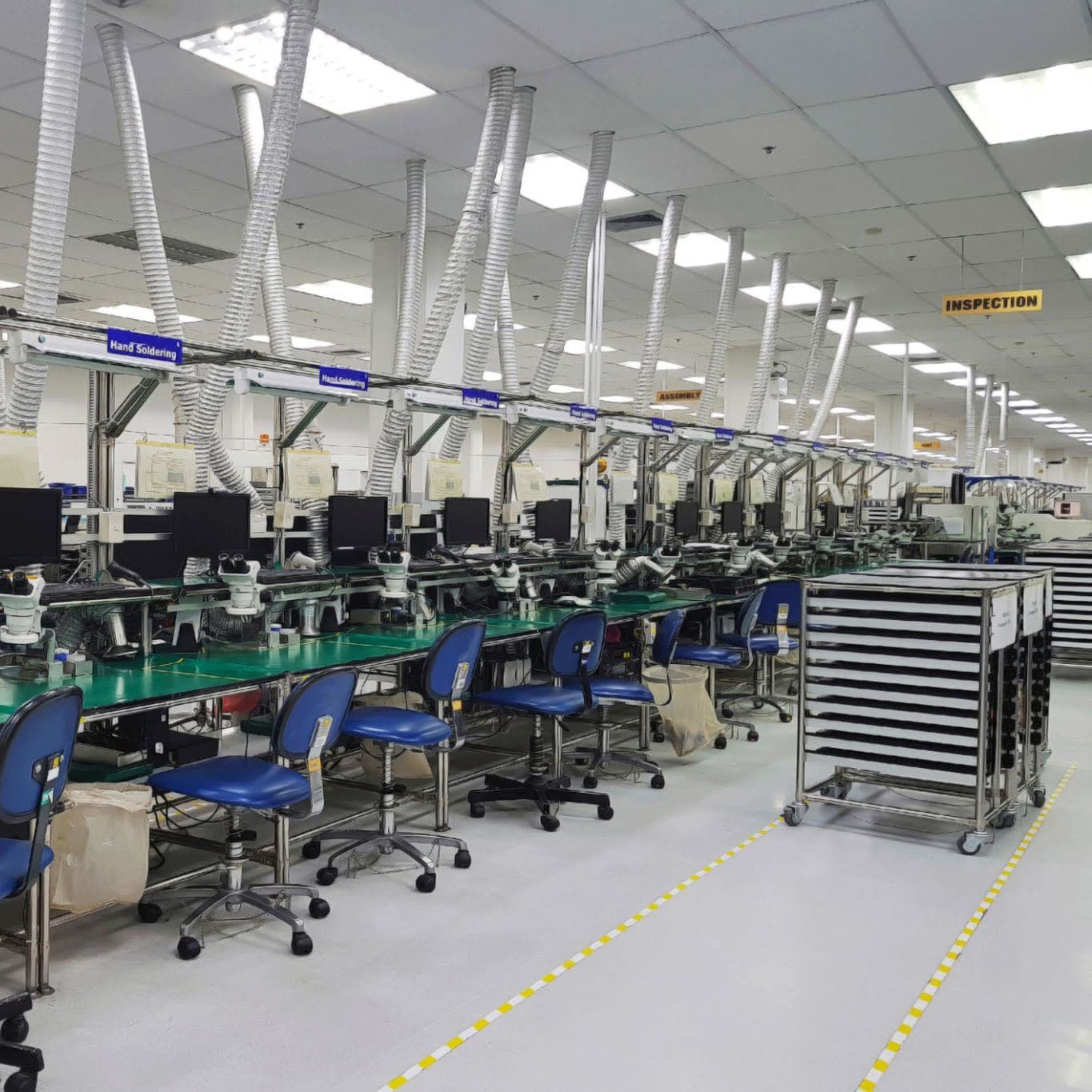
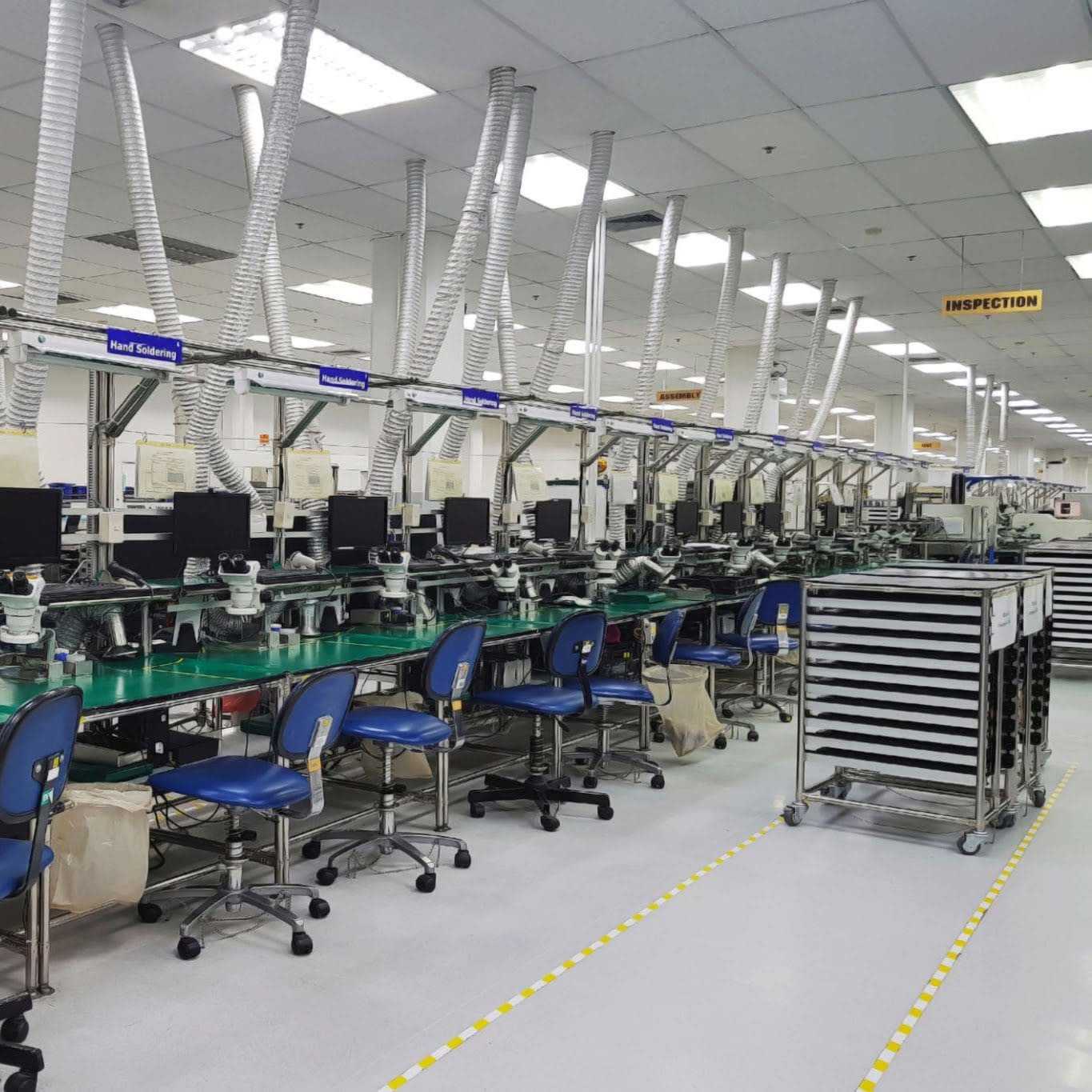


What Is ESD Flooring?
ESD flooring (electrostatic discharge flooring) is a grounded floor system that drains static charge from people, carts and equipment to earth before it can discharge into sensitive electronics or ignite a hazardous atmosphere. A static dissipative floor tests between roughly 105 and 109 ohms to ground; a conductive floor tests lower, typically below 106 ohms.
Walking across an ordinary sealed concrete or vinyl floor can charge a person to several thousand volts. Many electronic components can be damaged by discharges of 100 volts or less, and in energetics or solvent areas a static spark is an ignition source. An ESD floor works with ESD footwear, grounded workstations and grounded carts to keep those charges from building in the first place.
PumaCRETE manufactures complete industrial ESD flooring systems, not just a topcoat. Each system combines a primer, a conductive ground plane or conductive body, and a static control urethane topcoat, tied to building ground with copper strips and verified with a megohmmeter after cure.
ESD, Anti-Static, Static Dissipative: What the Terms Mean
Buyers and specifiers use many names for the same family of floors. Here is how they line up:
ESD flooring terminology
| Term you may see | What it usually means | Typical resistance to ground |
|---|---|---|
| ESD flooring, ESD floors, ESD control flooring, ESD rated flooring | Any floor engineered and tested to control electrostatic discharge | Below 1.0 × 10⁹ Ω (ANSI/ESD S20.20) |
| Static dissipative flooring, electrostatic dissipative flooring, dissipative floor | Drains charge at a controlled rate; the standard choice for electronics | 1.0 × 10⁶ to 1.0 × 10⁹ Ω |
| Conductive flooring, static conductive floor | Drains charge fast; used where ignition is the risk | Below 1.0 × 10⁶ Ω (many specs 25,000–1,000,000 Ω) |
| Anti-static flooring, antistatic flooring, non static flooring, static resistant flooring | Low charge generation; sometimes used loosely for dissipative floors | Varies — ask for a tested resistance range |
| Static control flooring, electrostatic control flooring, static flooring | General term covering dissipative and conductive systems | Depends on specification |
Where PumaCRETE ESD Flooring Is Installed
Each industry has its own static control target, traffic and cleaning demands. Choose your application for a detailed guide:
Electronics Manufacturing
ESD epoxy flooring for SMT lines, PCB assembly, semiconductor back-end, test, repair and kitting areas.
Clean Rooms
Seamless, non-shedding anti-static cleanroom floors for ISO Class 5–8 electronics, pharma and medical device spaces.
Data Centers
Low-odor anti-static epoxy for server halls, UPS rooms and telecom spaces, installed in phases around live racks.
Automated Guided Vehicles
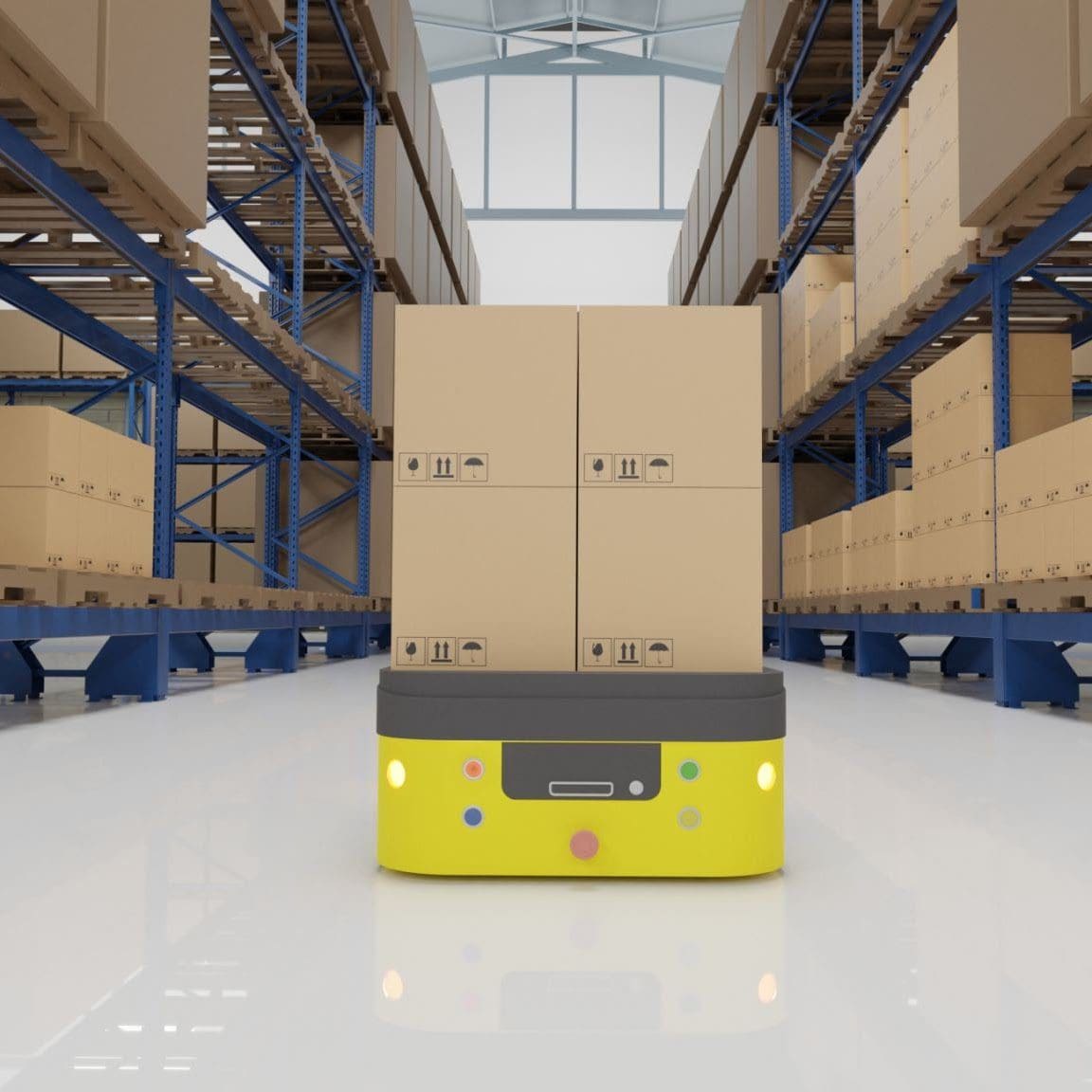
Abrasion-resistant AGV floor systems with the traction and low-glare finish guided vehicles need.
Robot Flooring
Warehouse robot floors and retrofit resurfacers for wheel-path wear and spalled joints.
Conductive Flooring
Conductive epoxy for munitions, AA&E, energetics and solvent areas, built to DoDM 4145.26-M limits.
Defense and explosives facilities: see the full DoD & explosives flooring guide, including munitions & AA&E, initiators & EEDs and explosives storage & magazines.
ESD Flooring Options: The PumaESD Product Lineup
Every PumaESD tier comes in a static dissipative (“d”) and a conductive (“c”) version. Pick the tier by slab condition and traffic, then pick d or c by your resistance target. Figures below come from the current PumaCRETE technical data sheets.
PumaESD systems at a glance
| System | Build | Nominal thickness | Electrical | Best for |
|---|---|---|---|---|
| 200d PumaESD | Thin-mil dissipative coating, zero VOC, low odor | 19 mils (29–35 mils with mid coat) | 105–108 Ω typical | New or like-new concrete, electronics, clean rooms |
| 200c PumaESD | Thin-mil conductive coating with black ground plane | 13–25 mils | Meets DoDM 4145.26-M minimums; NFPA 99 | Energetics and munitions areas on sound concrete |
| 201d PumaESD | High-build dissipative epoxy + ESD urethane | 24–25 mils (39–45 mils with build coat) | 105–108 Ω typical | Moderate traffic, assembly, storage |
| 201c PumaESD | High-build conductive system | 30–40 mils | Meets DoDM 4145.26-M minimums; NFPA 99 | Hazardous dust or explosion-risk areas |
| 301d PumaESD | Heavy-duty urethane concrete resurfacer, dissipative | 1/8–3/16 in. | 1.0 × 10⁵–1.0 × 10⁸ Ω | Damaged slabs, carts, forklifts, damp concrete |
| 301c PumaESD | Heavy-duty urethane concrete resurfacer, conductive | 1/8–3/16 in. | 75,000–300,000 Ω typical | Munitions and solvent areas with heavy traffic |
| AGV systems | 200-d AGV, 200-c AGV, 301 AGV PumaESD | Coating to 1/4 in. resurfacer | Dissipative or conductive | Guided vehicles and warehouse robots |
- Body voltage: below 15 V with conductive footwear (PumaESD topcoat data sheets).
- Charge decay: 5,000 V to 0 V in under 0.1 second.
- Return to service: foot traffic in 24 hours; heavy traffic after 36–48 hours at 70°F.
- Moisture: 104 PumaPOXY MB primer reduces vapor emission from up to 25 lb/1,000 ft²/24 h to 3 lb or less.
All data sheets: PumaCRETE technical data sheets · Guide specs: MasterFormat specifications · ESD color charts
Static Dissipative vs. Conductive Flooring: Which Do You Need?
The right choice depends on what you are protecting. Electronics need charge drained at a controlled rate; explosives and flammable atmospheres need charge drained as fast as safely possible.
Static Dissipative Flooring
- Protects: electronic components and assemblies
- Range: 105–108 Ω typical (S20.20 limit < 109 Ω)
- Standard: ANSI/ESD S20.20, IEC 61340-5-1
- Used in: SMT and PCB lines, clean rooms, data centers, robot areas
Conductive Flooring
- Protects: people, product and facility from static ignition
- Range: 75,000–300,000 Ω typical; DoD maximum 1.0 × 10⁶ Ω
- Standard: DoDM 4145.26-M, NFPA 99
- Used in: munitions, AA&E, energetics, solvent rooms, EED work
Quick Selection Guide
- Identify the risk. Component damage points to dissipative; ignition of explosives, propellants or vapors points to conductive.
- Check the governing spec. ANSI/ESD S20.20 for electronics; DoDM 4145.26-M for ammunition and explosives. Our S20.20 requirements guide and DoD conductive flooring guide break down the limits.
- Assess the slab. Sound concrete suits the 200 or 201 tier; spalled, damp or heavily trafficked concrete calls for the 301 resurfacer.
- Plan grounding and footwear. A floor is only one part of the ground path. Budget for ESD footwear or heel grounders and grounded carts.
Mixed facilities often need both. Keep conductive and dissipative zones on seperate ground layouts and mark the transition clearly so staff know which footwear rules apply.
ESD Compliant Flooring: Standards and Test Limits
An ESD compliant floor is one that passes the tests your program requires, measured on site after installation. These are the limits PumaCRETE verifies:
Flooring test limits and PumaESD results
| Test | Method | Required limit | PumaESD |
|---|---|---|---|
| Floor resistance to ground | ANSI/ESD STM7.1 | < 1.0 × 10⁹ Ω (S20.20) | 105–108 Ω typical (d systems) |
| Person + footwear + floor | ANSI/ESD STM97.1 | < 3.5 × 10⁷ Ω, or < 1.0 × 10⁹ Ω with the body voltage test | Meets with ESD footwear |
| Walking body voltage | ANSI/ESD STM97.2 | < 100 V | < 15 V with conductive footwear |
| Charge decay | MIL-B-81705B method | 5,000 V → 0 V | < 0.1 s |
| DoD maximum (ESD control) | DoDM 4145.26-M | ≤ 1,000,000 Ω person + footwear + floor | Conductive c systems |
| DoD minimum (shock protection) | DoDM 4145.26-M | > 40,000 Ω at 110–120 V; > 75,000 Ω at 220–240 V, or GFCI | 200c and 201c data sheets meet minimums |
Standards bodies and references: EOS/ESD Association (ANSI/ESD S20.20) · DoDM 4145.26-M (PDF) · PumaCRETE white paper on DoDM 4145.26-M (PDF).
Conductive Floor Installation, Grounding and Testing
Most ESD floor failures trace back to installation, not chemistry: poor prep, too few ground points or a topcoat applied too thin. PumaCRETE’s six-step process is built to prevent that.
- Site assessment and ESD spec. Slab survey, moisture testing (ASTM F1869 / F2170), traffic review and a written resistance target.
- Surface prep. Diamond grinding or shot blasting to the profile in the data sheet, plus crack, joint and spall repair.
- Ground grid. Copper ground strips bonded to building ground — typically every 1,000 to 1,500 ft² depending on the system, and at least one per room.
- Primer and conductive layer. Moisture-blocking or penetrating primer, then the conductive ground plane or conductive body coat.
- ESD topcoat. Static control urethane applied at data-sheet thickness for consistent resistance and wear.
- Cure, test and certify. Resistance-to-ground, point-to-point and walking body voltage readings, delivered as a written test report for your ESD program file.
Three Ways to Buy One Engineered ESD System
Turnkey Installation
Factory-trained applicators handle prep, ground grid, application, resistance testing and written certification. Find an installer through EP Floors ESD flooring installation or our nationwide service areas.
Direct Material Sales
Buy PumaESD materials direct from the manufacturer for your own crew or contractor, with the technical data sheets, prep and installation guide and tech support behind them.
On-Site Factory Training
A PumaCRETE site trainer works alongside your maintenance team or local contractor on the first installation. See on-site training and material sales.
Resinous ESD Floors vs. Other Anti-Static Floor Coverings
A floor that passes on day one has to keep passing. These conditions move readings:
| Option | Strengths | Watch-outs |
|---|---|---|
| Seamless ESD epoxy / urethane (PumaESD) | No seams or adhesive; conductive layers built in; handles carts, forklifts and robots; easy to clean | Needs proper prep and cure time |
| ESD vinyl tile or sheet | Factory-made consistency | Seams, conductive adhesive and grounding tape; can be dented by heavy loads |
| ESD carpet tile | Comfort in offices and control rooms | Not for production, wet cleaning or wheeled loads |
| Topical anti-static floor finish or wax | Low first cost | Wears off and must be reapplied; readings drift with traffic and cleaning |
| ESD floor paint or sealer | Quick cosmetic refresh | Rarely a tested, grounded system; seldom documented to S20.20 |
For most plants, a resinous system gives the lowest lifetime cost because there is no waxing schedule and no seams to fail. Keep it performing with the PumaCRETE cleaning and maintenance guide: neutral cleaners, no wax, and an annual resistance check.
Frequently Asked Questions
ESD Flooring FAQ
ESD flooring is a grounded floor system that drains static electricity from people and equipment to earth before it can damage electronics or ignite a hazardous atmosphere. It is tested for resistance to ground, typically below 1.0 × 10⁹ ohms for electronics under ANSI/ESD S20.20.
Not always. Anti-static describes low charge generation and is often used loosely. Static dissipative flooring is a tested category, generally 1.0 × 10⁶ to 1.0 × 10⁹ ohms to ground. When you buy anti-static flooring, ask for the tested resistance range and test method.
Static dissipative flooring drains charge at a controlled rate and is used for electronics. Conductive flooring has lower resistance, typically 75,000 to 300,000 ohms for PumaESD c systems, and is used where static sparks could ignite explosives, propellants or flammable vapors.
A floor is ESD compliant when on-site tests meet the program limits: resistance to ground below 1.0 × 10⁹ ohms (ANSI/ESD STM7.1) and either a person-footwear-floor resistance below 3.5 × 10⁷ ohms or a walking body voltage below 100 volts. PumaESD systems test below 15 volts with conductive footwear.
The slab is ground or shot blasted, repaired and primed. Copper ground strips are bonded to building ground, then a conductive layer and an ESD urethane topcoat are applied. After cure, resistance and body voltage are measured and documented in a test report.
Yes. PumaCRETE sells PumaESD materials direct for your own crew or contractor, with data sheets, installation guides and optional on-site factory training.
The conductive elements are built into the system layers rather than applied as a topical wax, so static control does not wear off with routine cleaning. PumaESD systems carry ESD warranties of up to 5 years depending on the system, and annual resistance testing is recommended.
PumaCRETE supplies and supports ESD flooring projects nationwide through factory-trained applicators and installation partners such as EP Floors Corp., with direct material sales and on-site training available anywhere in the United States.
EXPERIENCE AND EXPERTISE
Get a Quote for ESD Flooring Project
Send your square footage, slab condition and resistance target. We will recommend the right PumaESD system and return a written quote, or schedule a free site estimate.
