DoD Magazines & ASP Flooring
Heavy-duty conductive urethane flooring for DoD explosives magazines, Ammunition Supply Points (ASPs), military depot ammunition storage, and arsenal facilities. Built for depot forklift and pallet traffic over decades of service.
GET A FREE QUOTE

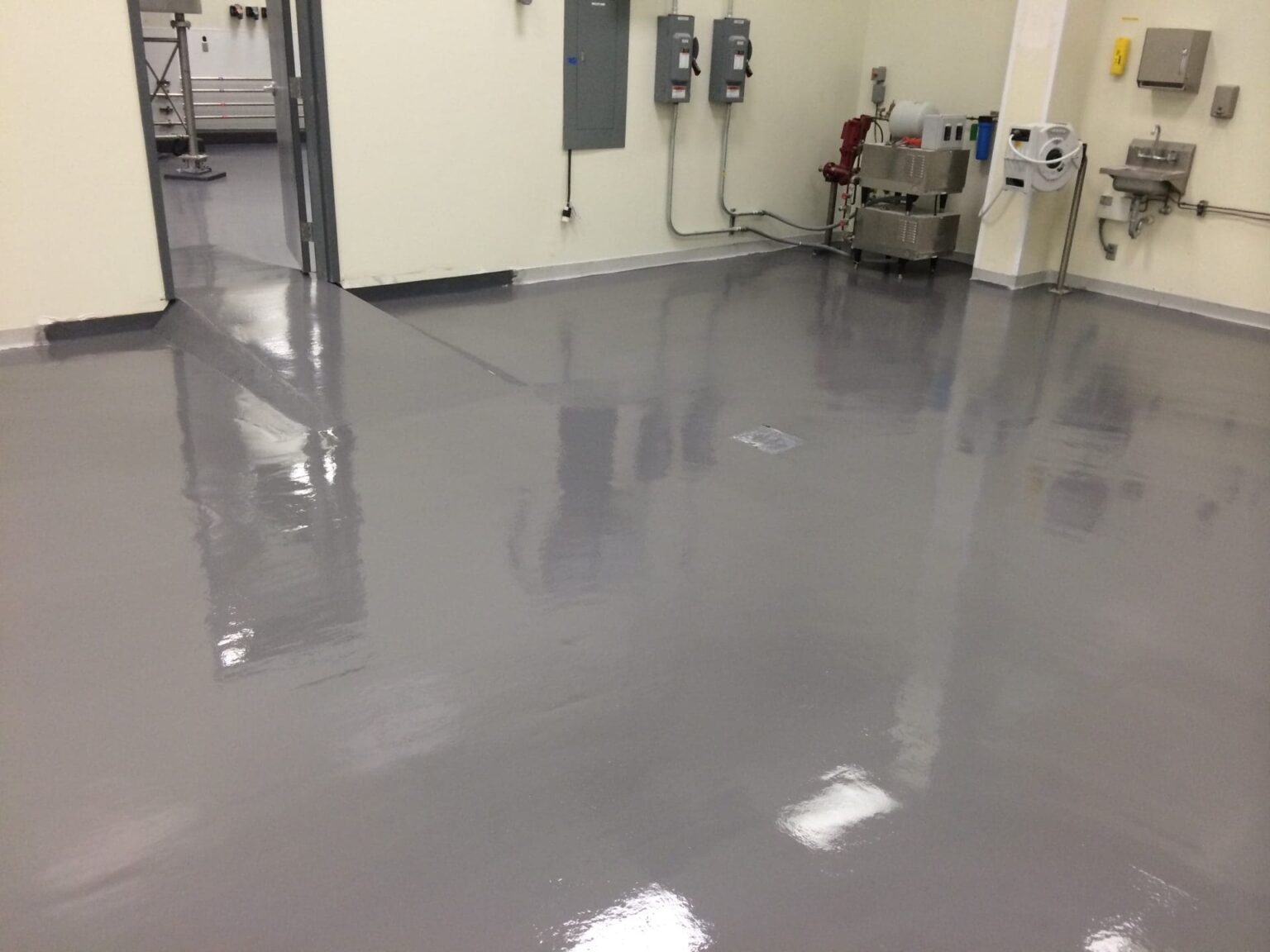
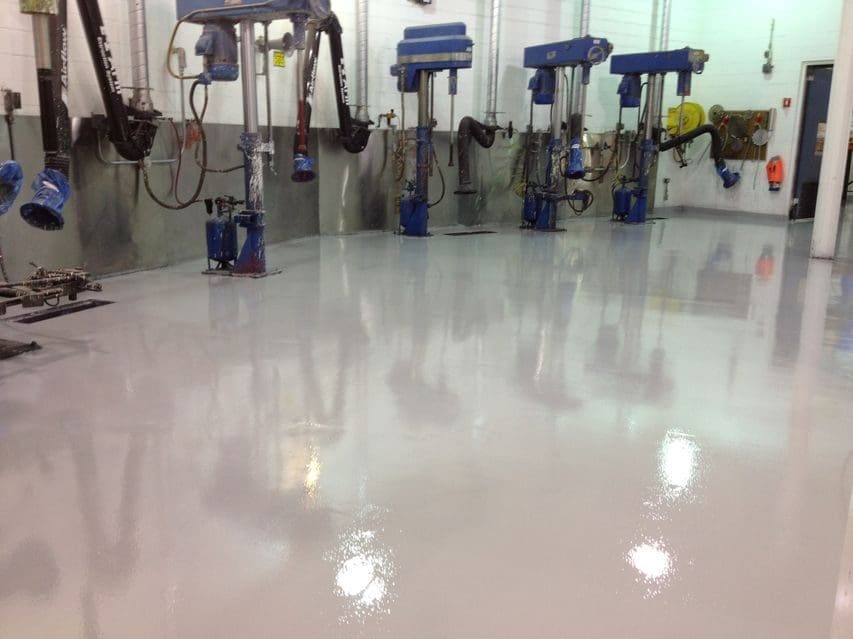
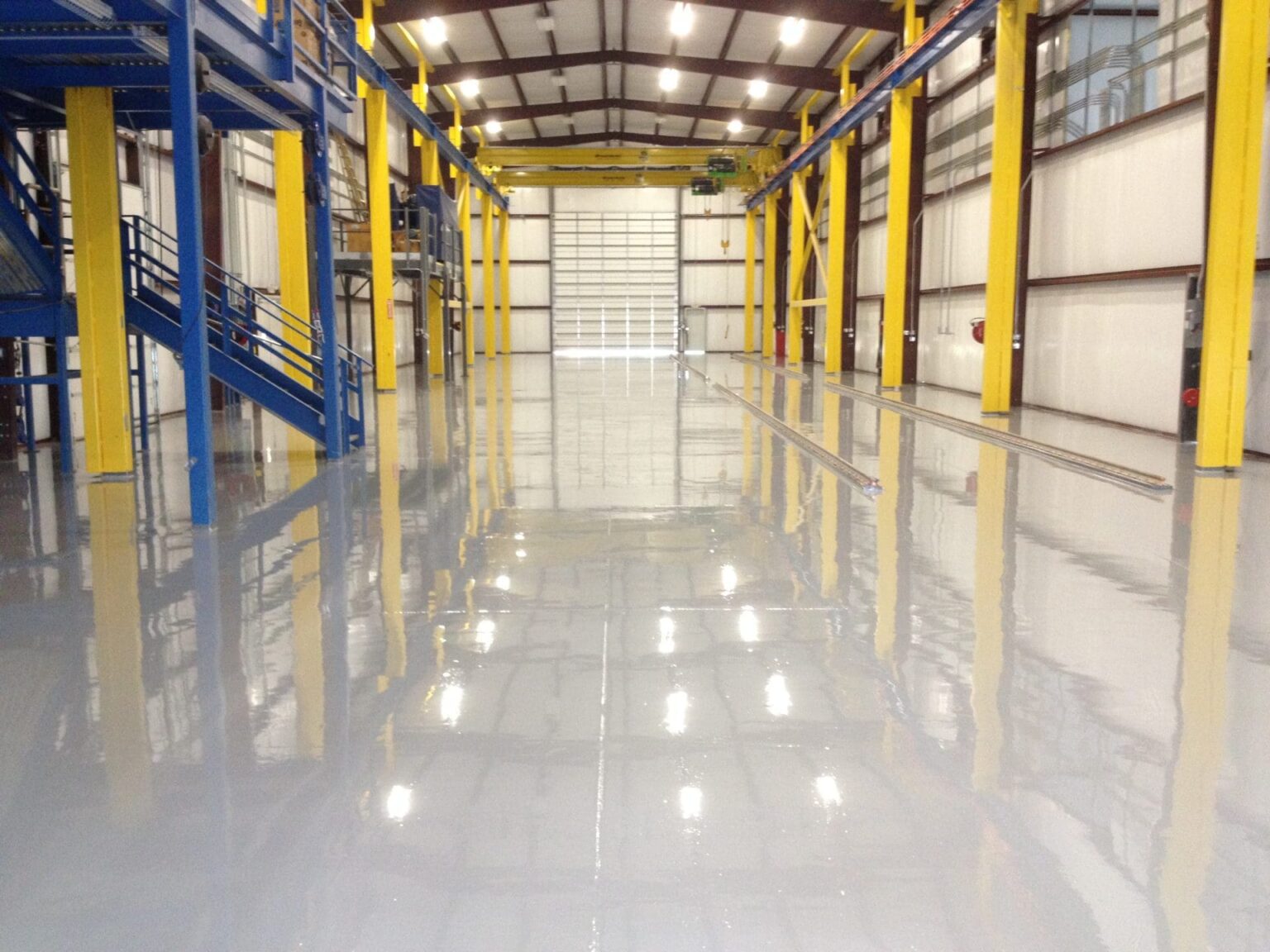
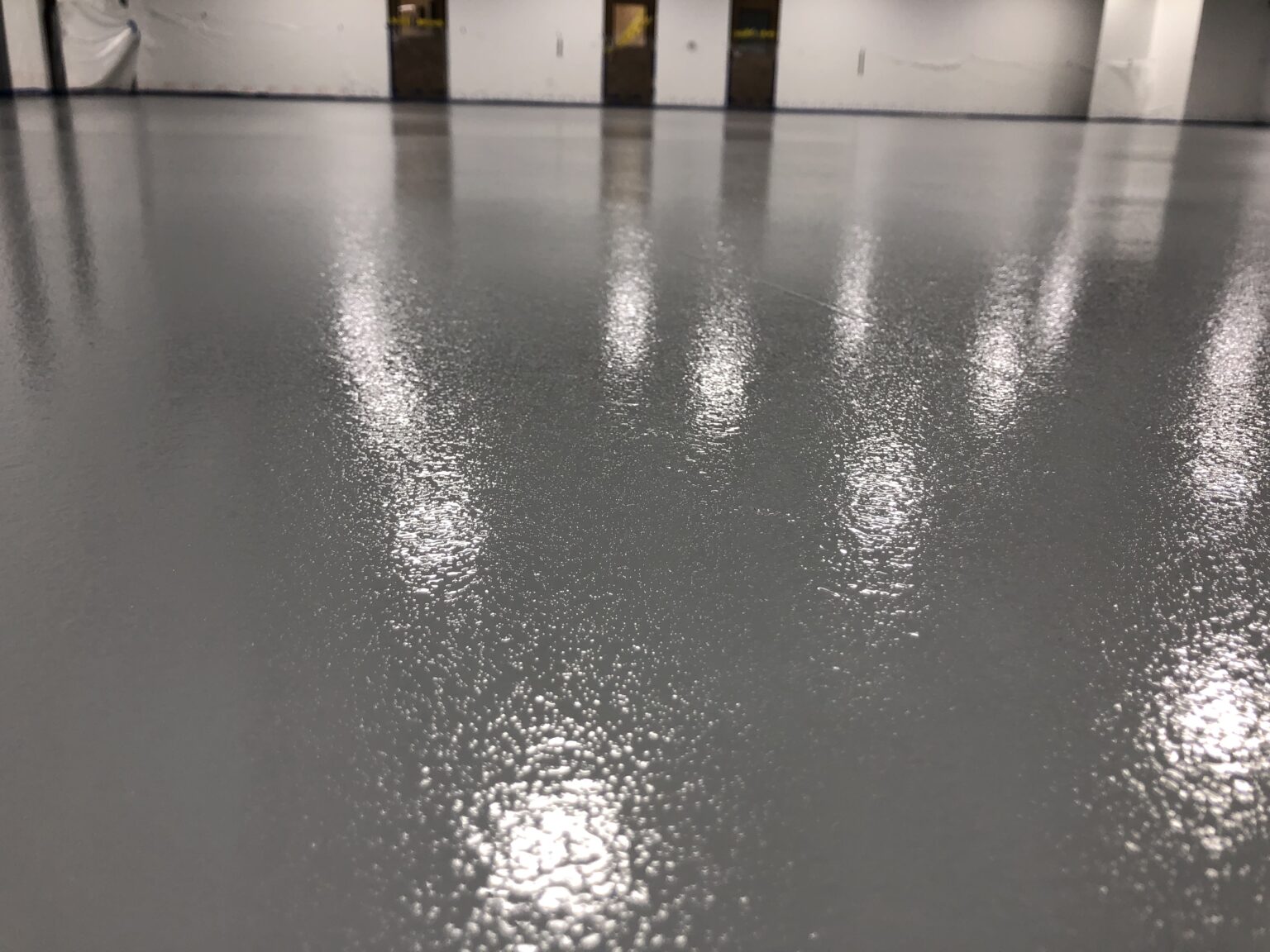
Flooring Built for Military Explosives Storage
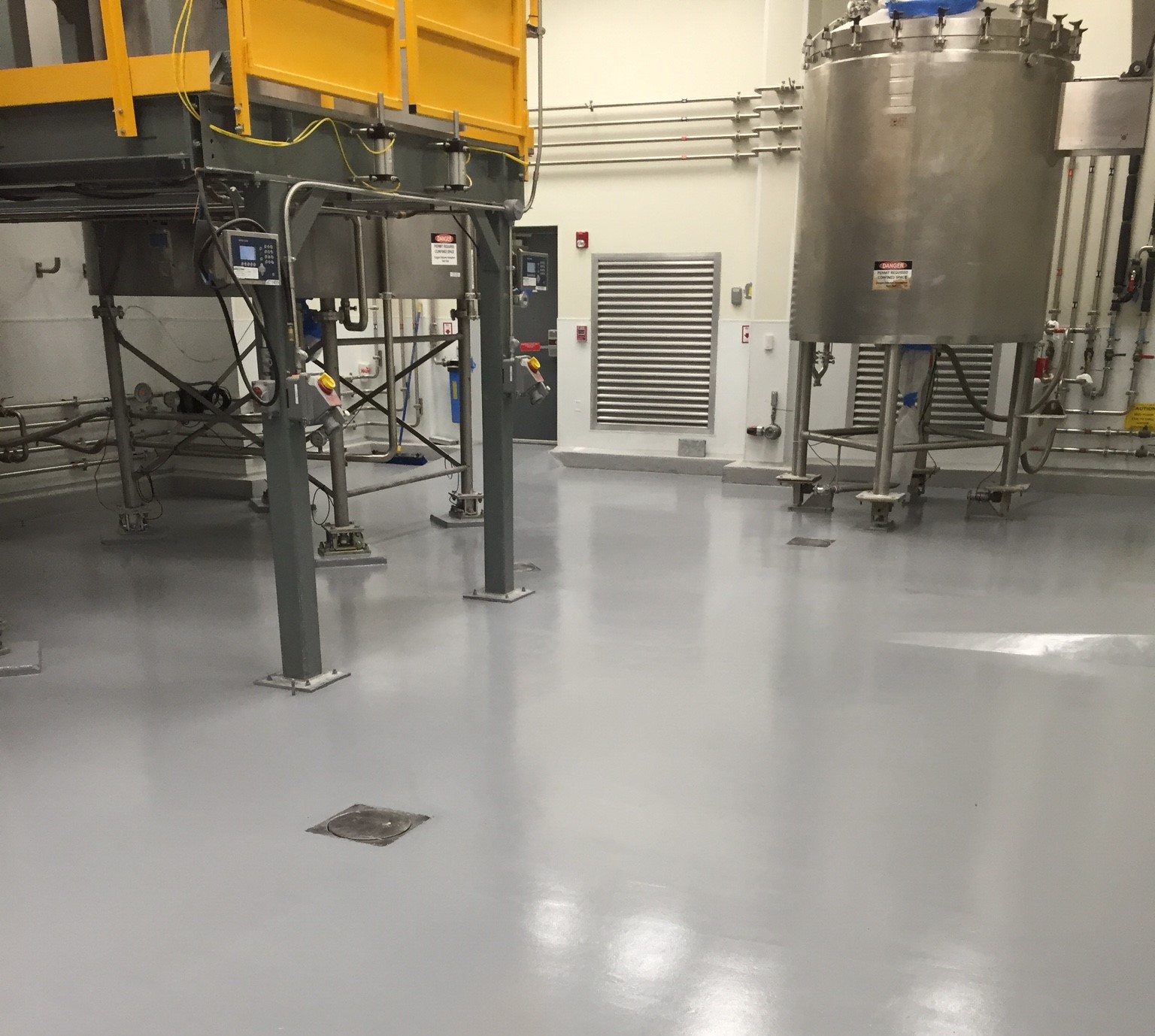
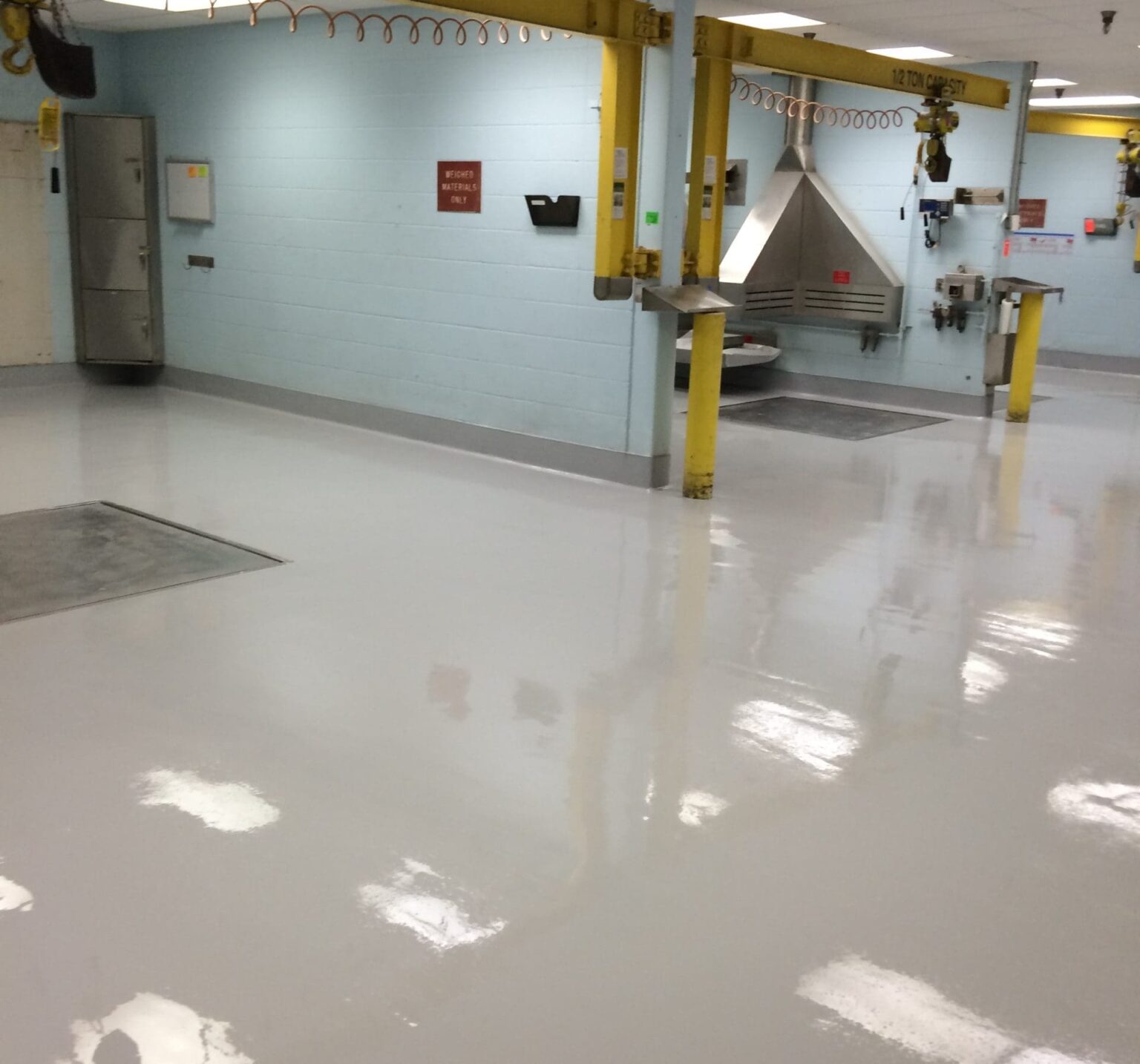
A DoD magazine or ASP floor sees sustained forklift and pallet traffic every operational day for the full service life of the facility — often 50 years or more. The combined duty cycle of heavy equipment, finished-round storage, and the conductive-resistance requirement makes this one of the hardest-working floor environments in the entire DoD inventory.
PumaCRETE® specifies the 301 Series heavy-duty conductive urethane cement topping as the universal standard for DoD magazines and ASPs. The 1/4-inch screed-applied composite combines 10,000+ psi compressive strength with the DoD 6055.09-M resistance envelope.
This page sits under Explosives Storage & Depots.
Standards & Compliance Framework
Government-owned military magazines are governed by DoD 6055.09-M; contractor-operated military storage by DoD 4145.26-M. Flooring requirements are aligned across both.
DoD 6055.09-M
DoD Ammunition and Explosives Safety Standards. Primary regulation for government-owned military magazines and ASPs.
DoD 4145.26-M
Contractors’ Safety Manual. Contractor-operated military storage.
DoDI 5160.68
Single Manager for Conventional Ammunition. DoD depot and ASP management framework.
DoD 6055.09-M Explosives Safety Siting
Explosives Safety Siting. Governs quantity-distance and magazine siting.
DOT 49 CFR 173
Shippers — General Requirements. Depot shipping and receiving.
Technical Requirements Military Magazine Flooring
Military magazine floors emphasize heavy-duty physical performance alongside the DoD conductive envelope.
| Property | Requirement | Reference |
|---|---|---|
| Resistance to Ground | 25,000 ohms – 1.0 × 10⁶ ohms | DoD 6055.09-M |
| Compressive Strength | > 10,000 psi (301 Series) | ASTM C579 |
| Impact Resistance | Pallet drops, drum rolls, dropped-tool impacts | ASTM D2794 |
| Abrasion Resistance | Sustained forklift and pallet-jack traffic | ASTM D4060 |
| Point-to-Point Resistance | < 1.0 × 10⁶ ohms | ANSI/ESD STM7.1 |
| Spark Behavior | Non-sparking; no exposed ferrous aggregates | NFPA 495 |
| Chemical Resistance | Residual propellant, lubricants, cleaning agents, fuel oil | Facility-specific |
| Seamless Construction | Monolithic — no joints trapping fines or moisture | Facility best practice |
50-year duty cycle
DoD depot floors are expected to serve for the full life of the facility — often 50 years or more. The 301 Series urethane cement is specified because no thin-film system holds up to that duty cycle while maintaining the conductive-resistance envelope. The system choice is life-cycle economics, not just initial cost.
The PumaCRETE® System Families
Two product families cover the full DoD and explosives pillar. Each sub-industry page specifies the system most often used for that application; the three families below are the common foundation.

PumaCRETE 200-PumaESD-c
THICKNESS: 13-45 mils enhanced durability for impact and frequent motorized lift traffic, or restoration of damaged concrete surfaces)
Mid-build conductive epoxy coating. Primer rooms, igniter assembly, pyrotechnic mixing, lighter-duty cartridge production.
Target Resistance
25,000 ohms – 1.0 × 10⁶ ohms
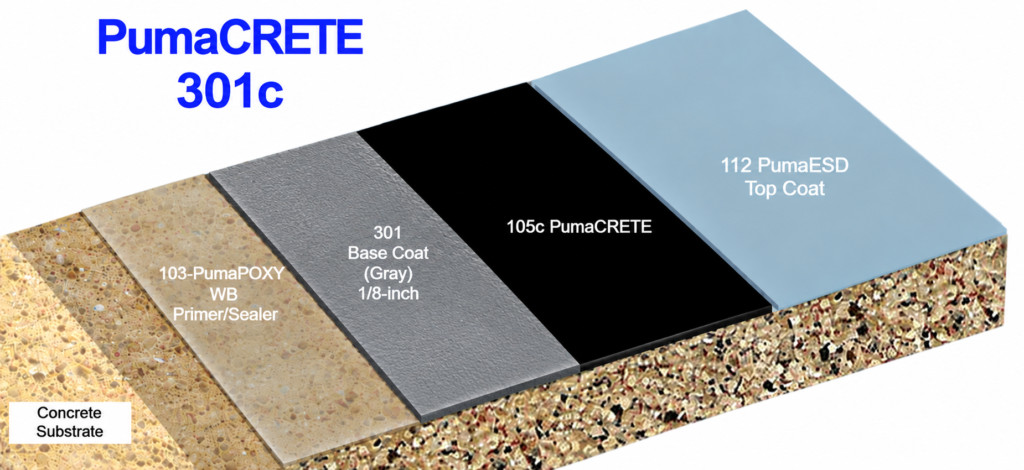
PumaCRETE 301-PumaESD-c
THICKNESS: 1/8 inch (enhance durability for impact and frequent motorized lift traffic, or restoration of damaged concrete surfaces)
Heavy-duty 1/4″ conductive urethane cement topping. Rocket motor casting, LAP lines, artillery production, DoD magazines, mine stores.
RESURFACER ADVANTAGES
Enhanced durability for impact and frequent motorized lift traffic, or restoration of damaged concrete surfaces.
Custom resistance tuning:
For Class 0 initiator work and the most sensitivity-critical operations, PumaCRETE can tune systems as low as 400,000 ohms with charge-generation under 20 volts. Contact our engineering team for a facility-specific recommendation.
Military Storage Operations
PumaCRETE serves the full DoD military-storage inventory.
Army Ammunition Supply Points (ASPs)
Theater and installation-level ammunition supply points receiving, storing, and issuing ammunition to operational units.
DoD Depot Magazines
Blue Grass, Hawthorne, McAlester, Letterkenny, Red River, and the broader DoD depot inventory of large-scale ammunition and explosives storage.
Naval Weapons Stations
Naval magazines, weapons stations, and Marine Corps air station ammunition storage facilities.
Air Force Munitions Storage
AFSOC and ACC munitions storage areas (MSAs), igloo storage, and specialty weapons magazines.
Why Military Magazines Need Urethane Cement
ESD-dissipative floors (106–109 ohms) protect electronic components. Conductive floors (25,000–106 ohms) protect propellants, primers, initiators, and the personnel handling them. The two are not interchangeable, and the conductive range is what every DoD, NFPA, and ATF framework in this pillar converges on.
Dissipative
106–109 ohms. Protects electronics. Not sufficient for explosives work.
Conductive
25,000–106 ohms. Protects personnel, product, and facility. Required for all DoD and explosives work.
Installation, Grounding & Field Testing
Delivering the specified resistance envelope is a system problem — floor material, substrate preparation, grounding network, and verification testing all have to work together. PumaCRETE installs through a nationwide network of factory-trained crews.
Surface Preparation
Concrete is diamond-ground or shot-blasted to CSP 3–4. Cracks and spalled joints are repaired. Moisture-vapor transmission is tested per ASTM F1869 and F2170. Military depot concrete has often carried heavy traffic for decades before retrofit — substrate load capacity and existing crack-and-spall repair are evaluated during the design phase.
Grounding Network
Conductive grounding strips are embedded at columns or designated ground points every 1,500 square feet, bonded to the building's earth ground.
Compliance Verification
- ▸Resistance to Ground — tested per ANSI/ESD STM7.1 using a 100V megohmmeter on a grid pattern.
- ▸Point-to-Point Resistance — verified between randomly selected locations.
- ▸Documentation — full test report for the facility safety file and DoD / ATF / OSHA audit record.
Frequently Asked Questions
DoD Magazines & ASP Flooring FAQ's
ASP stands for Ammunition Supply Point — a military installation that receives, stores, and issues ammunition and explosives for operational units. ASPs are typically operated under DoD 6055.09-M and are among the highest-traffic magazine environments in the DoD inventory.
Yes. All PumaCRETE conductive systems meet the resistance-to-ground, non-sparking, and seamless-finish requirements specified under DoD 6055.09-M for government-owned magazines, depots, and ASPs.
Depot and ASP floors see sustained forklift, pallet-jack, and drum-handling traffic for the full life of the facility — often 50+ years. Only the 1/4-inch 301 Series urethane cement topping provides the compressive strength and impact resistance to handle depot traffic while maintaining the conductive-resistance envelope. Thin-film coatings cannot sustain depot service.
Yes. Major DoD depots — McAlester, Red River, Blue Grass, Hawthorne, Letterkenny, and others — are core PumaCRETE customer segments.
Yes. The 401-ECO low-odor, fast-cure system allows sectional installation with 12-hour return-to-service. Multi-bay depots are typically phased one magazine at a time, with stored munitions shifted ahead of the install crew.
The floor grounding ties into the building's earth ground network, which also serves the lightning protection system. For high-exposure magazines, we recommend reviewing the full ground network design with the facility electrical engineer during specification.
Yes. The seamless monolithic finish prevents explosives dust and fines from accumulating in joints — a specific requirement under DoD 6055.09-M for magazine construction.
At least annually, and after any floor repair or significant facility modification. Many depots tie recertification to the annual DoD safety inspection cycle under DoD 6055.09-M.
EXPERIENCE AND EXPERTISE
Specify PumaCRETE for Your DoD Magazine or ASP
Army ASP, DoD depot magazine, naval weapons station, or Air Force munitions storage area — PumaCRETE engineers the floor to the DoD 6055.09-M envelope and depot-grade traffic class your facility requires.
