Static Dissipative · Conductive · Anti-Static
ESD & Conductive Flooring Systems
PumaCRETE® ANSI/ESD S20.20 and DoD 4145.26-m compliant static dissipative and conductive flooring systems for electronics manufacturing, semiconductor fabs, data centers, AGV and AMR corridors, munitions and AA&E facilities, aerospace, biotech, and cleanrooms. Four product tiers from thin-film coatings to urethane cement mortar. Installed nationwide by factory-trained certified applicators.
GET A FREE QUOTE


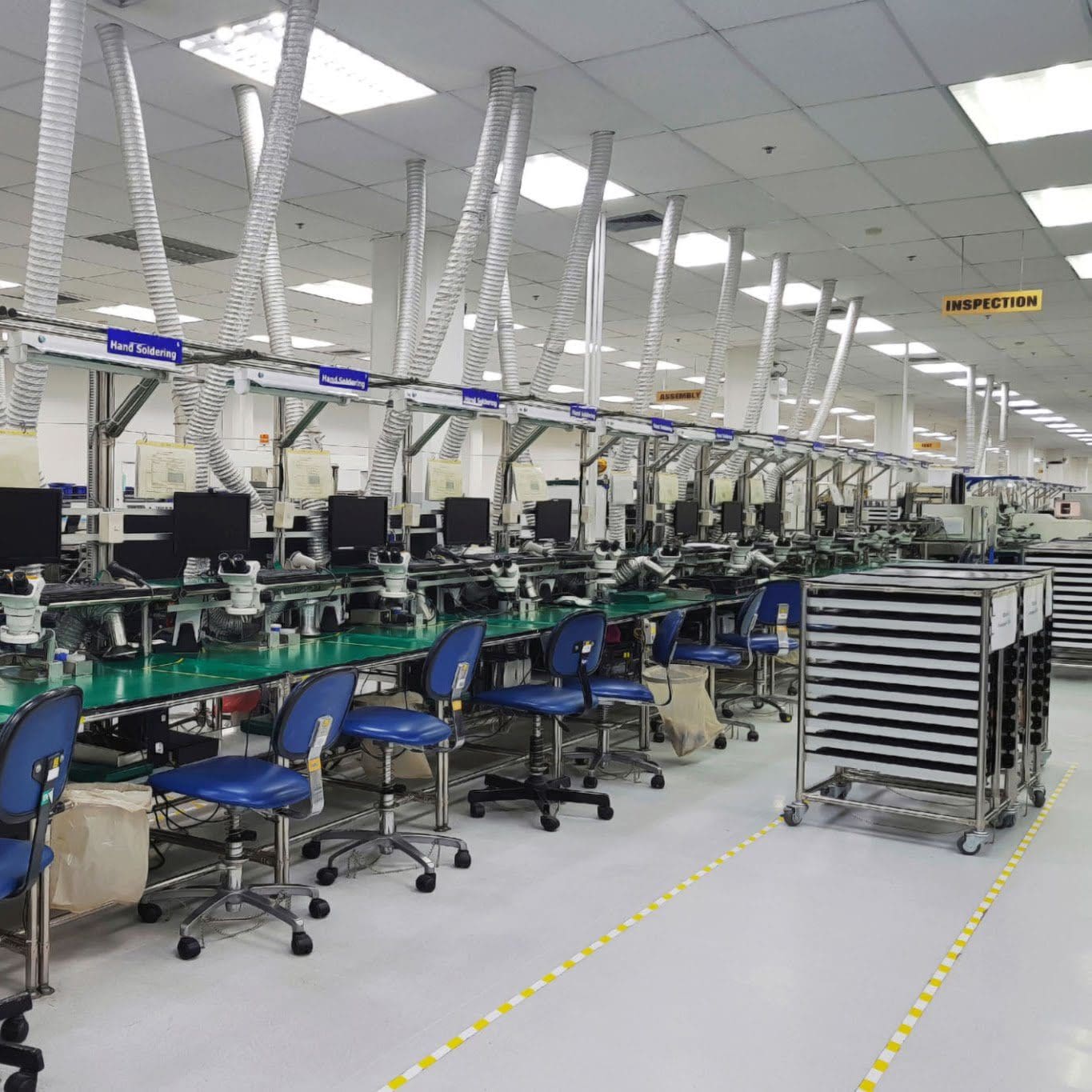


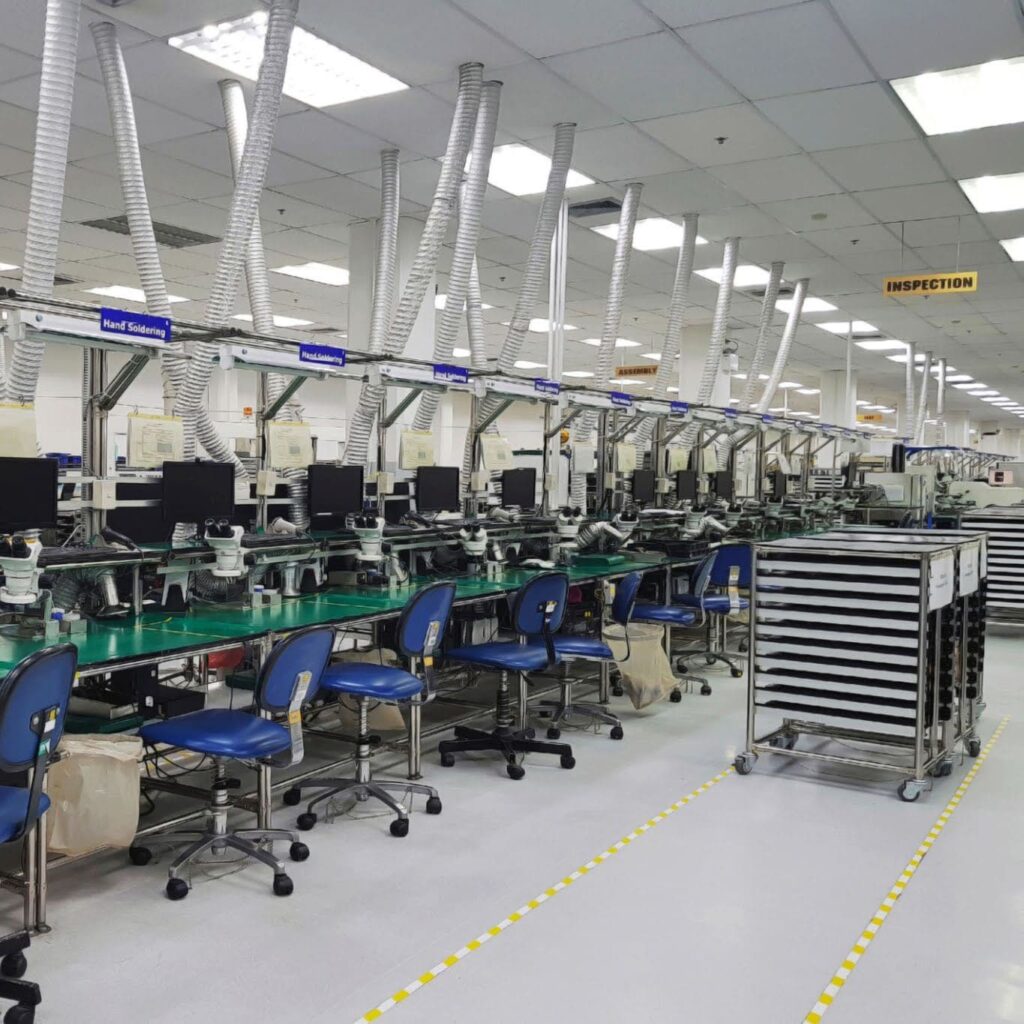
The PumaCRETE Buying Experience
Three Ways to Buy. One Engineered ESD System.
PumaCRETE customizes the buying experience to match how your project is structured. Choose complete turnkey installation through our nationwide network of certified applicators, purchase materials only if you have your own crew or contractor, or schedule expert on-site factory training to qualify your own installers. One manufacturer, three ways to buy.
What Is ESD & Conductive Flooring?
ESD flooring — also called static dissipative flooring or anti-static flooring — and conductive flooring are engineered floor systems that control the buildup and discharge of static electricity. Both are designed to prevent electrostatic discharge events that can destroy sensitive electronic components, ignite flammable solvents, or trigger accidental detonation in munitions environments.
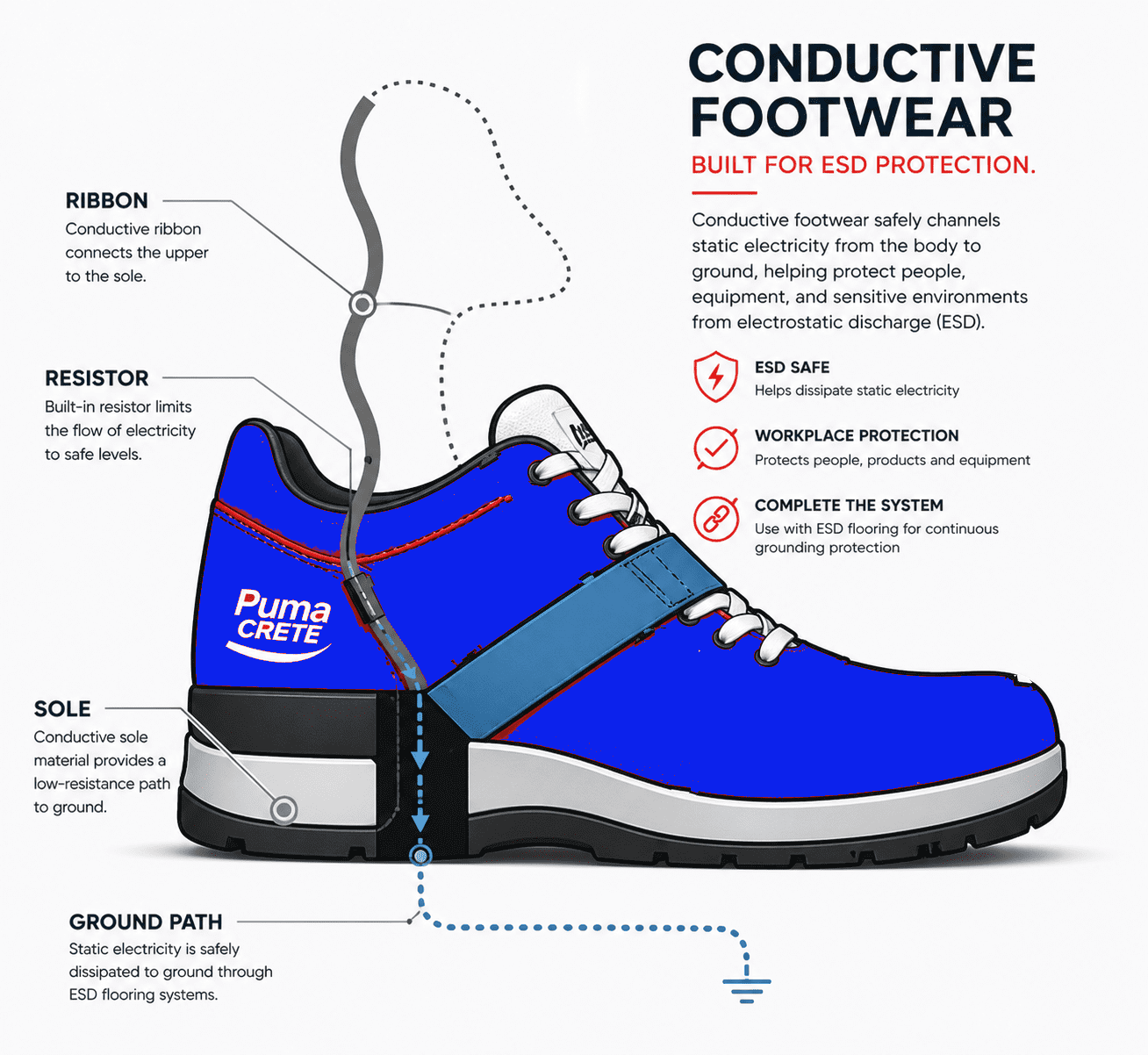
Per the EOS/ESD Association standard ANSI/ESD S20.20, an ESD floor system must achieve surface resistance below 1.0×10&sup9; ohms (STM7.1), combined system resistance below 3.5×10&sup7; ohms (STM97.1), and body voltage generation below 100 volts (STM97.2). PumaCRETE static dissipative systems meet all three thresholds — and consistently achieve body voltage below 15 volts with conductive footwear, well beneith the 100-volt regulatory ceiling.
Whether you are protecting a PCB assembly line, a data center server room, an Army Ammunition Plant under DoD 4145.26-m, a semiconductor fab under ISO 14644-1, or an AGV corridor in a 24/7 fulfillment center, PumaCRETE manufactures the right ESD or conductive system. Learn more about ANSI/ESD S20.20(opens in new tab) from the EOS/ESD Association.
Industry sectors for ESD flooring:
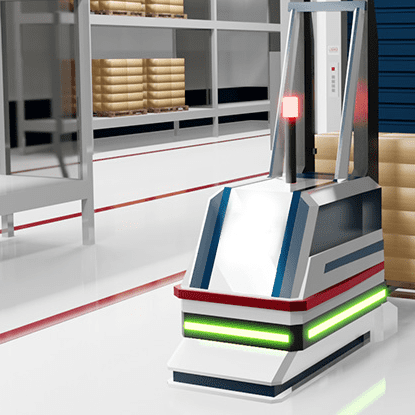
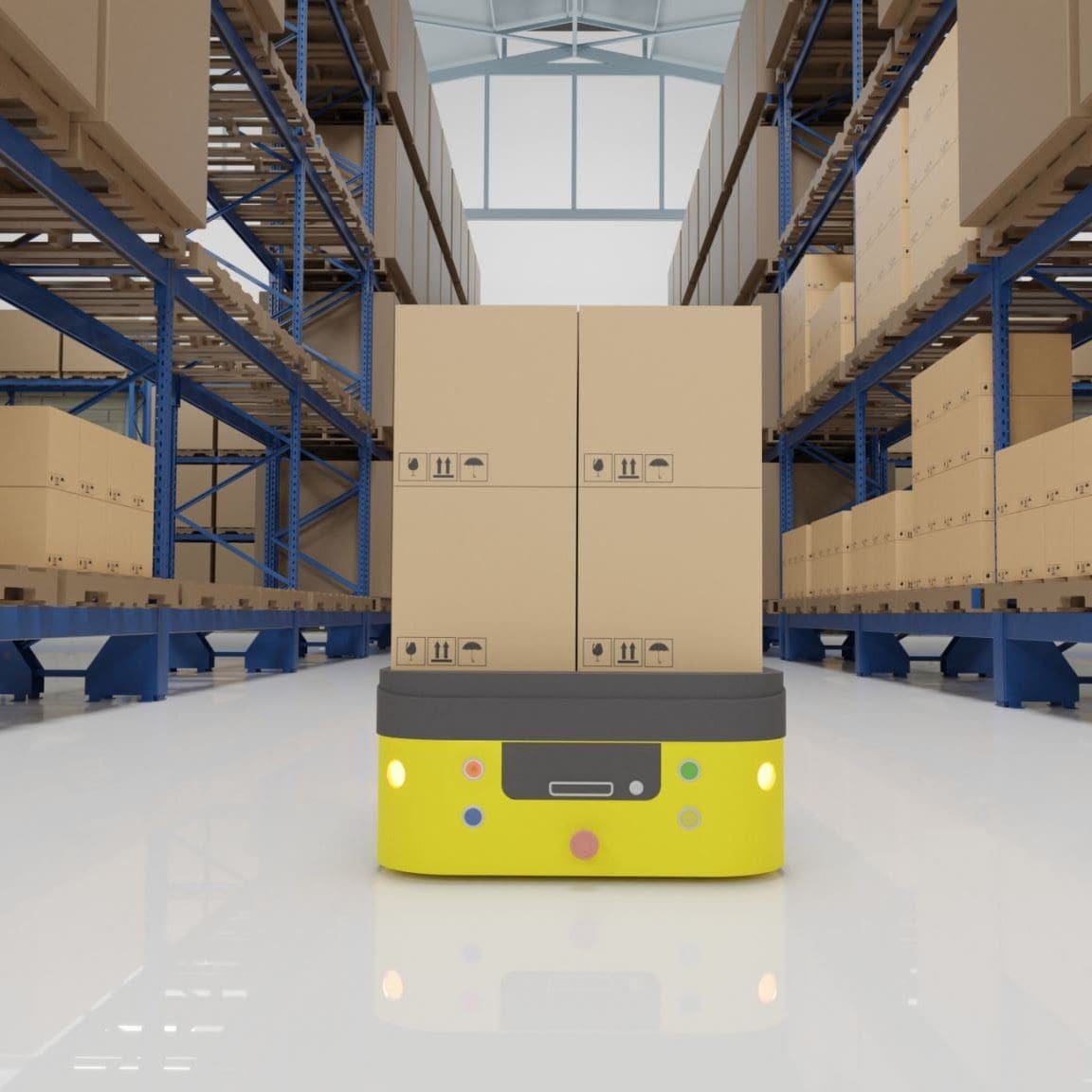
AGV ROBOT AREAS
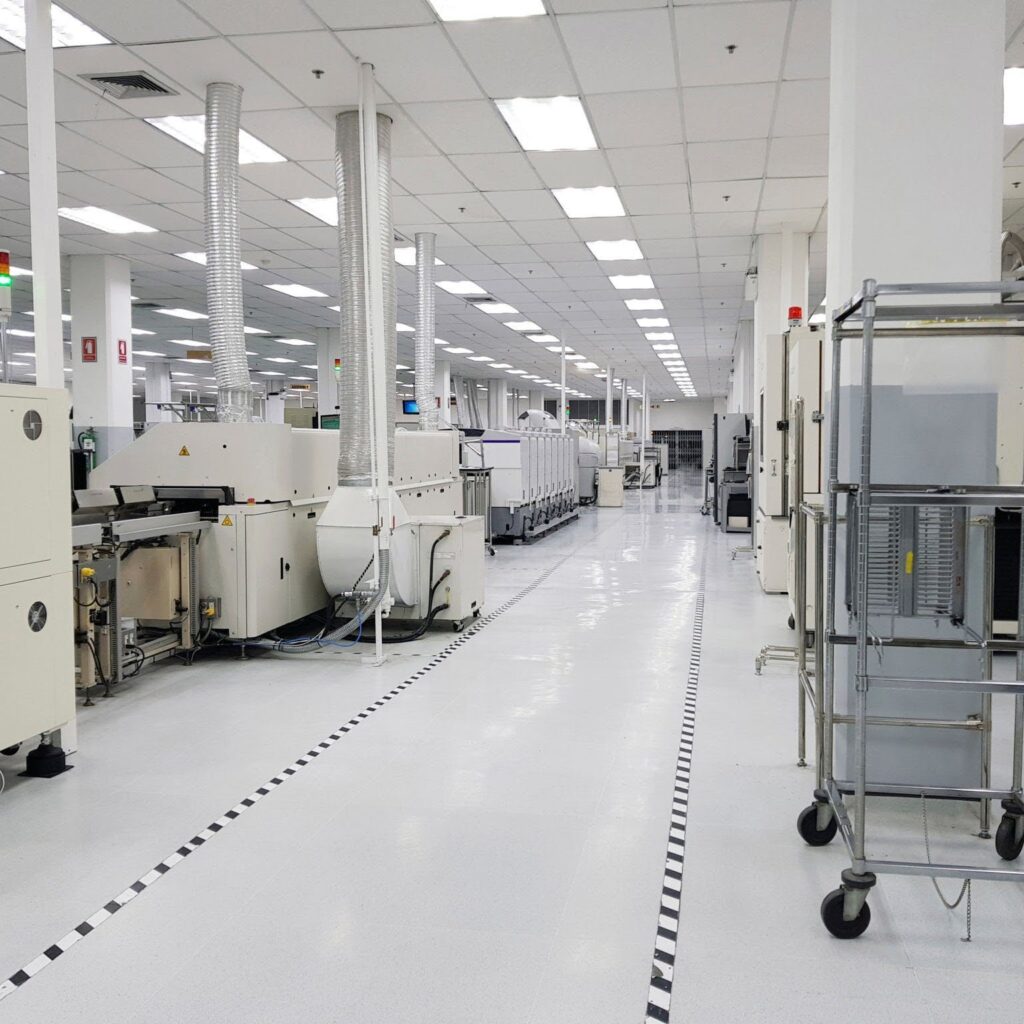
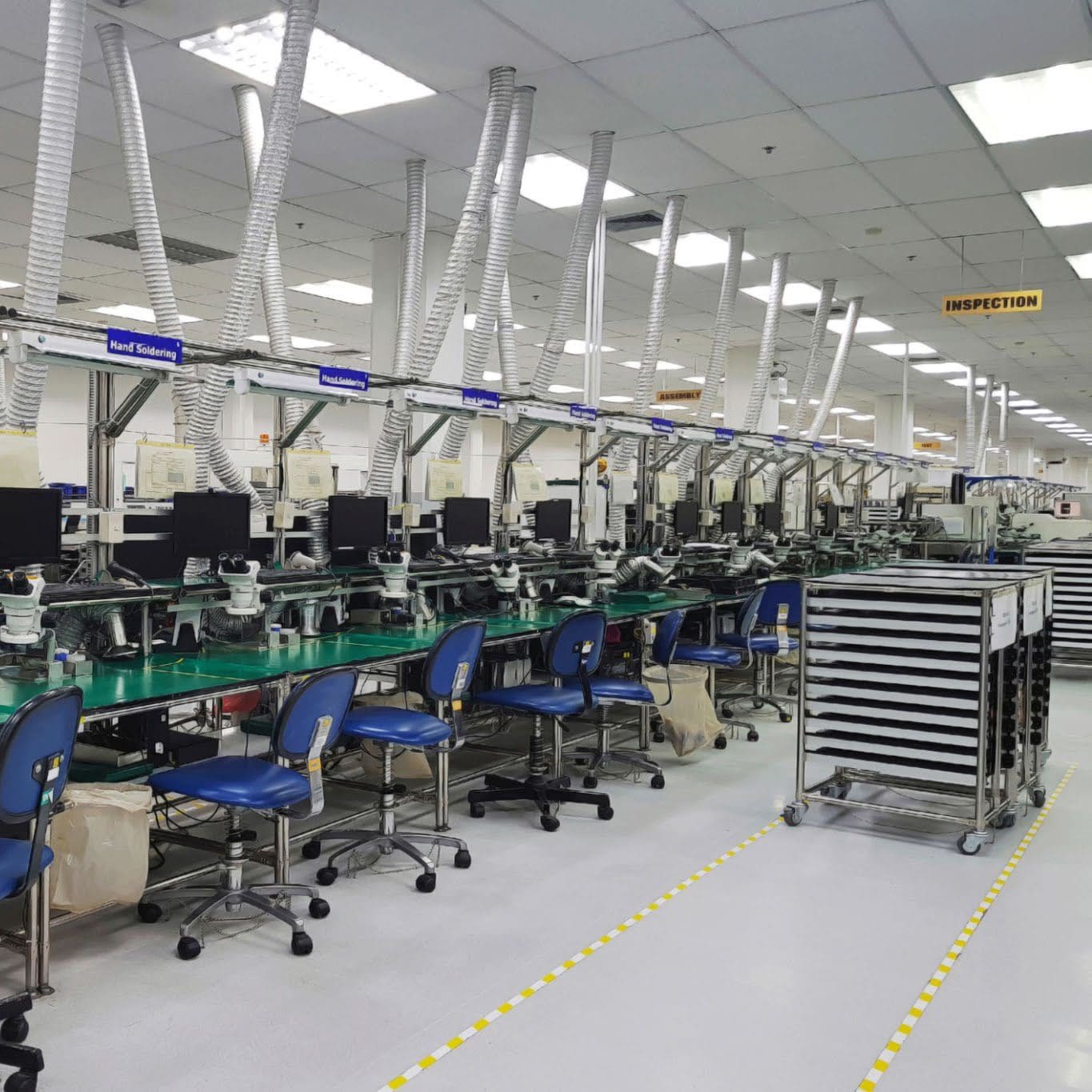
ELECTRONICS MANUFACTURING
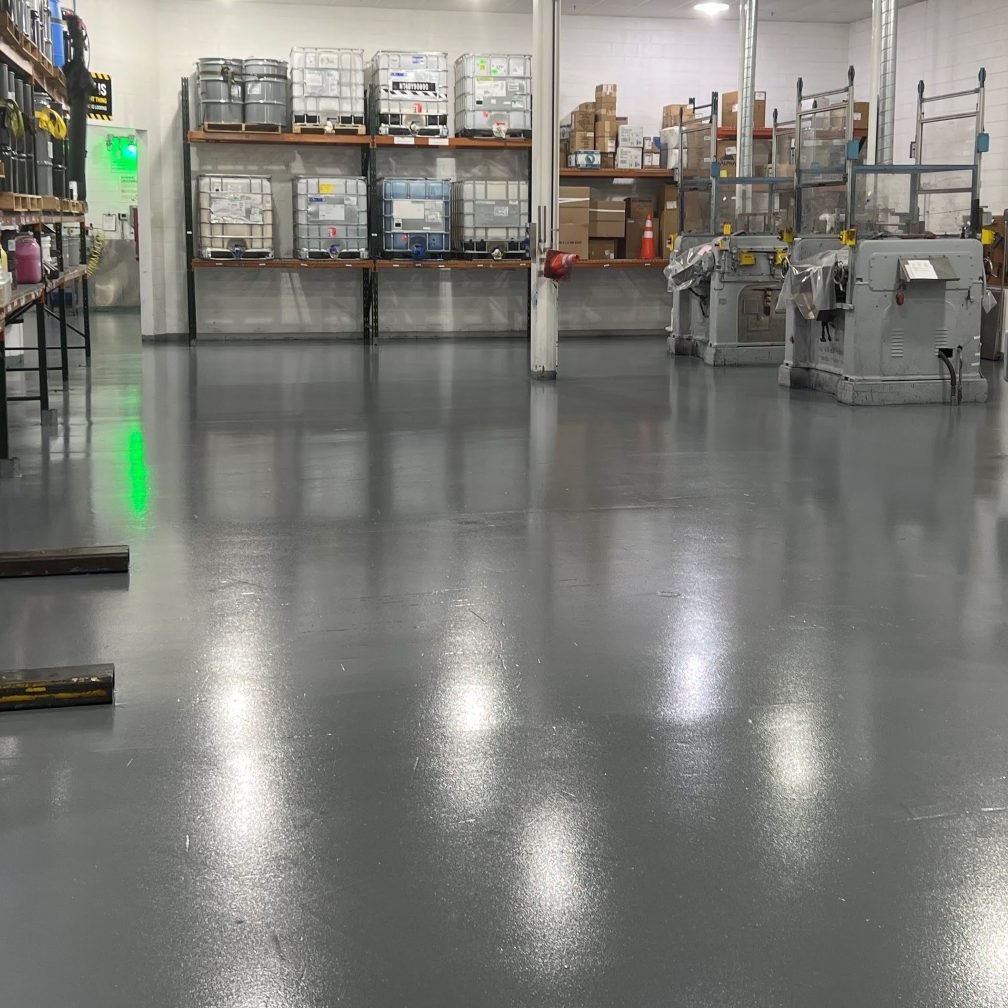
AMMUNITION / EXPLOSIVES

DATA NETWORK CENTERS
PumaESD Product Lineup
Four Product Tiers. Engineered Static Control.
Graphite micro-particles embedded throughout the PumaESD matrix — not painted on top. ESD performance lasts for the life of the floor, with no wax, no topical recoating, and no maintenance to preserve electrical properties. Every system available in dissipative (SD) or conductive (C) versions.
PumaESD 100
Multi-layer ESD epoxy floor coating. 12–30 mils. Cost-effective for like-new substrates. Electronics, PCB assembly, dry cleanrooms.
- Thickness
- 12–30 mils
- Available
- SD or C version
PumaESD 200
Hi-build epoxy with broadcast aggregate. Slip resistance and durability. Moderate to heavy traffic. Data centers, aerospace, fab support.
- Thickness
- 30–60 mils
- Available
- SD or C version
PumaESD 301-AGV
Multi-layered composite engineered for AGV/AMR areas with polyurethane wheel traffic. Sensor-friendly smooth finish.
- Thickness
- 1/16″–1/8″
- Available
- SD or C version
PumaESD 400
Hand-troweled urethane cement mortar. Munitions, AA&E, chemical-resistant ESD environments. DoD 4145.26-m conductive.
- Thickness
- 12–30 mils
- Available
- SD or C version
Industries Served
Electronics Manufacturing
PCB assembly, semiconductor fab, microelectronics. Body voltage below 15V.
Data Centers
Anti-static epoxy for server rooms, NOCs, IT infrastructure.
AGV & AMR Areas
Automated guided vehicles, autonomous mobile robots, fulfillment.
Semiconductor Fabs
ISO 14644-1 cleanrooms, lithography, packaging. Seamless monolithic.
Munitions & AA&E
DoD 4145.26-m conductive flooring for arms, ammunition, explosives.
Aerospace & Defense
Avionics, radar, ESD-sensitive defense electronics, aircraft assembly.
Biotech & Pharma
Antimicrobial-optional dissipative epoxy for cGMP cleanrooms.
Medical Devices
ISO 13485 cleanrooms, implants, surgical tools, diagnostic devices.
Flammable Solvents
Conductive flooring for chemical handling, fuel storage, solvent ops.
Technical Specifications
Standards-Backed Performance
PumaESD meets and exceeds all EOS/ESD Association(opens in new tab) thresholds per ANSI/ESD S20.20. For AA&E and munitions applications, see DoD specifications via DoD ASSIST(opens in new tab). Additional compliance context in Construction Specifier(opens in new tab).
| Specification | ANSI/ESD S20.20 Requirement | PumaESD Achievement |
|---|---|---|
| Surface resistance (STM7.1) | Below 1.0×10&sup9; ohms | 1×10&sup6; – 1×10&sup9; ohms |
| System resistance (STM97.1) | Below 3.5×10&sup7; ohms | Below 3.5×10&sup7; ohms |
| Body voltage (STM97.2) | Below 100 volts | Below 15 volts |
| DoD 4145.26-m (conductive) | 25,000 – 1,000,000 ohms | Meets — PumaESD 400 |
| Thickness range | n/a (per spec) | 12 mils to 1/2 inch |
| Service temperature | n/a (per spec) | -50°F to +250°F |
Dissipative vs. Conductive — Which Do You Need?
| Property | Static Dissipative (SD) | Conductive (C) |
|---|---|---|
| Resistance to ground | 1×10&sup6; – 1×10&sup9; ohms | 25,000 – 1,000,000 ohms |
| Industries served | Electronics, data centers, biotech, semiconductors | Munitions, AA&E, fuel handling, flammable solvents |
| Governing standard | ANSI/ESD S20.20; EN 61340-5-1 | DoD 4145.26-m; NFPA 99 |
| Primary use case | Protect ESDS components | Prevent ignition |
PumaCRETE vs. Other ESD Manufacturers
Most major ESD manufacturers — Stonhard, StaticWorx, Dur-A-Flex, Sika, Florock — meet ANSI/ESD S20.20. The difference is in system breadth, certification process, and buying flexibility.
| Capability | PumaCRETE PumaESD | Typical Competitor Range |
|---|---|---|
| Buying flexibility | Turnkey, materials-only, OR factory training | Typically turnkey only |
| Body voltage achieved | Below 15V | 25–80V typical |
| Conductive element location | Graphite throughout full thickness | Often topical or single layer |
| DoD 4145.26-m (munitions) | Yes — 400 series conductive | Limited — most commercial only |
| Thickness range | 12 mils to 1/2 inch (one supplier) | Usually 1–2 thickness options per brand |
| Post-install certification | Included — written compliance doc | Often an extra-cost service |
Comparison based on publicly published competitor data. PumaCRETE is not affiliated with Stonhard, StaticWorx, Dur-A-Flex, Sika, or Florock. Trademarks belong to their respective owners.
Thin Film Conductive Coatings
ESD Epoxy Flooring System Types
Best for light-duty to medium duty environments and controlled spaces.
FEATURES
- Meet ESD S20.20, DoD4145.26m, NFPA99 requirements.
- Smooth finish (or light texture)
- High abrasion resistance for heavy foot traffic, carts and wheeled loads.
- Easy to clean
- Chemical resistant
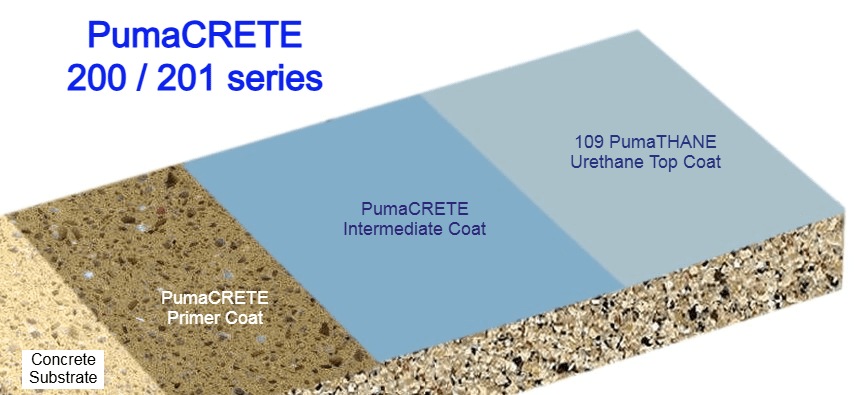
Heavy-Duty Conductive Mortar Systems 1/16 to 1/4 inch
Used in the most demanding environments.
FEATURES
- Restores damaged concrete
- Impact resistance
- High compressive strength
- Extended lifecycle performance
- Meets ESD S20.20, DoD4145.26m, NFPA99 requirements.
- Chemical resistant
Best for medium to heavy duty environments.
- Smooth finish (or light texture)
- High abrasion resistance for heavy traffic including forklifts, rubber and plastic wheels.
- Easy to clean
Installation & Certification
Installed by Factory-Trained Certified Applicators
Every PumaCRETE turnkey installation is delivered by factory-trained, factory-certified applicators working from our nationwide installer network. We do not sub-contract to unknown crews. Every installer has been trained at PumaCRETE on system chemistry, surface preparation, ground grid integration, and post-install ESD resistance testing — and every installation is backed by a manufacturer-plus-installer warranty.
Six-Step Turnkey Process
1. Site Assessment & ESD Spec
Substrate condition, ESD requirement (dissipative vs conductive), governing standard, traffic loads, and grounding evaluated. Written spec delivered for facility ESD coordinator review.
2. Ground Grid & Prep
Copper ground straps integrated with building electrical ground. Diamond grinding or shotblasting achieves CSP 3–5 profile. Cracks repaired, joints treated.
3. Conductive Primer
Conductive primer establishes electrical continuity across the floor and connects to ground grid. Visible primer color enables installer QC.
4. Floor System Application
Selected PumaESD system applied per spec — thin film, hi-build, composite, or urethane cement mortar. Color and texture customized.
5. Cure & Resistance Testing
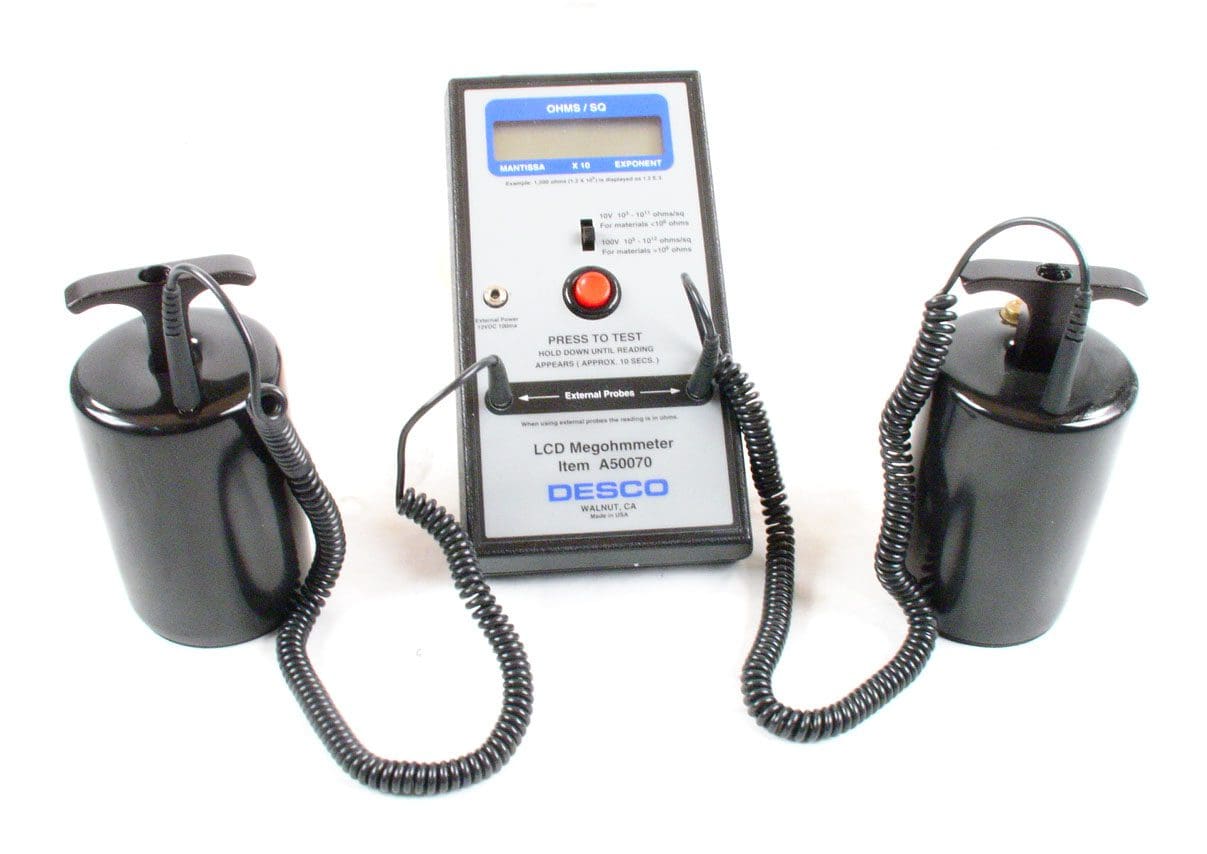
Post-install resistance testing at multiple grid points, documented against ANSI/ESD S20.20 or DoD 4145.26-m.
6. Certification & Warranty
Written compliance certification for audit records. Manufacturer + installer warranty. Written maintenance protocols for facility sanitation staff.
Materials-Only & Factory Training Options
Already have a contractor or in-house crew? PumaCRETE ships PumaESD materials direct, with phone and email technical support during your project. Or schedule a factory training visit — PumaCRETE will train your installers on system chemistry, surface prep, ground grid design, and ESD resistance testing.
Locations We Serve
Nationwide installation through our certified installer partner network. Dedicated ESD flooring information for major manufacturing regions:
Massachusetts
Boston biotech, Route 128 electronics, Andover defense
Connecticut
Aerospace Alley, Sikorsky, Electric Boat, Ensign-Bickford
New York
Albany semiconductors, Long Island defense, Rochester photonics
Nationwide Coverage
All 50 states · materials and factory training in any region
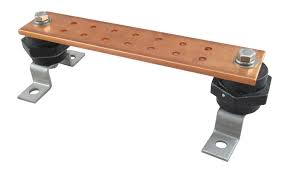
EARTH GROUND (copper ground rod, bar, outlet.
Copper ground rods are often used in Military, Munitions, and manufacturing environments. At the ground point on rod... remove oxidation from rod (for connection with a clamp). Run copper foil tape on the floor, per figure 2. Run the tape up the ground rod, and secure tape to ground rod using the copper foil tape.
Certify the Flooring meets:
DoD 4145.26M(opens in new tab) ESD Association S20.20(opens in new tab) NFPA(opens in new tab) OSHA(opens in new tab)
Certify the Flooring meets:
DoD 4145.26M(opens in new tab) ESD Association S20.20(opens in new tab) NFPA(opens in new tab) OSHA
NATIONWIDE NETWORK OF INSTALLATION
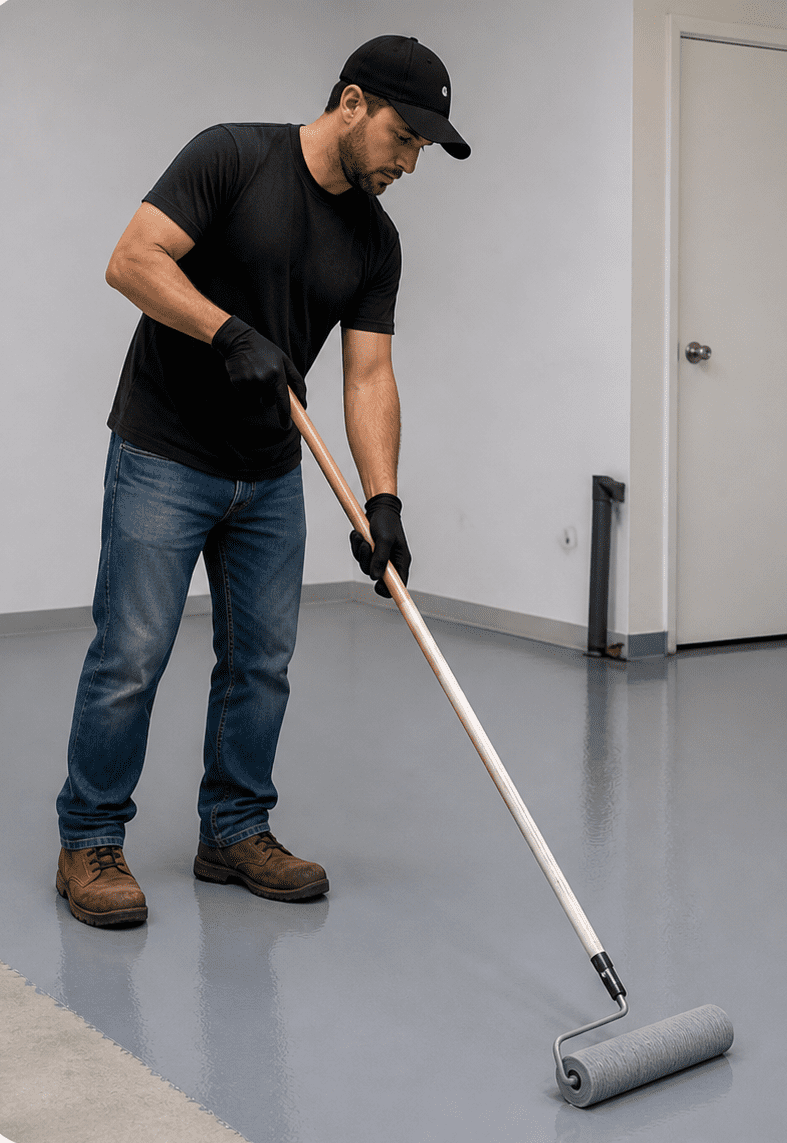
With a nationwide network of installers, PumaCRETE® has provides a tradition of quality. Our factory-trained installation crews can provide turn-key installation and localized service. In many cases, we can train your personnel or local contractor, with on site training available.
PumaCRETE® SITE TRAINERS
PumaCRETE® can provide on site trainers, along with detailed installation instructions and videos, specialty tools, and surface prep guidelines for new installers or DIY installation. See our installation page for our application resources.
Frequently Asked Questions
ESD & Conductive Flooring FAQ
Static dissipative (ESD) flooring has electrical resistance between 1×10&sup6; and 1×10&sup9; ohms — high enough to safely bleed off static but low enough to prevent dangerous discharge. Conductive flooring has lower resistance (25,000 to 1 million ohms) and dissipates charges faster. Dissipative is for electronics; conductive is required for munitions and AA&E under DoD 4145.26-m.
Yes. PumaCRETE offers three buying options: complete turnkey installation through our nationwide network of certified applicators, materials-only supply if you have your own crew or contractor, or on-site factory training to qualify your own installers. Specify the model that fits your project.
Yes. PumaCrete™ cures to a 100% seamless, non-porous surface that inhibits fungal and bacterial growth. It fully complies with USDA, FDA, CFIA, and OSHA requirements for safe food processing and sanitary environments.
PumaCRETE ESD flooring uses graphite micro-particles built into the floor matrix that maintain conductive properties for the life of the product. No wax, no topical treatment, no recoating required.
Electronics manufacturing, PCB assembly, semiconductor fabrication, data centers, AGV and AMR corridors, munitions and AA&E facilities, aerospace and defense, pharmaceutical cleanrooms, biotech, medical device manufacturing, and any facility handling ESD-sensitive components or flammable solvents.
Yes. Every PumaCRETE turnkey installation includes post-install resistance testing and grounding verification. Written documentation of ANSI/ESD S20.20 or DoD 4145.26-m compliance is provided, suitable for facility audits.
PumaCRETE installs ESD and conductive flooring nationwide through a network of factory-trained certified installer partners. Major regional coverage includes Massachusetts, Connecticut, and New York — see our dedicated state pages for region-specific details. Materials-only supply and factory training options are available in all 50 states.
Related PumaCRETE Systems
Explore More Industrial Flooring
External Authority References
EOS/ESD Association(opens in new tab) — governs ANSI/ESD S20.20 and STM7/97 test methods
Construction Specifier — Achieving Compliance with ANSI/ESD S20.20(opens in new tab)
DoD ASSIST Quick Search(opens in new tab) — MIL-STD-1686C and DoD 4145.26-m for AA&E facilities
ANSI Webstore(opens in new tab) — official source for ANSI/ESD S20.20 publication
EXPERIENCE AND EXPERTISE
THE PumaCRETE Difference
We have over 30 years of experience behind us. Customers can rest assure that the system we recommend shall be the most cost effective. We provide customized solutions for challenging issues.
