Prepared & Specialty Foods · Sauces & Fermented
Floors for Sauce, Pickle & Fermented Food Plants
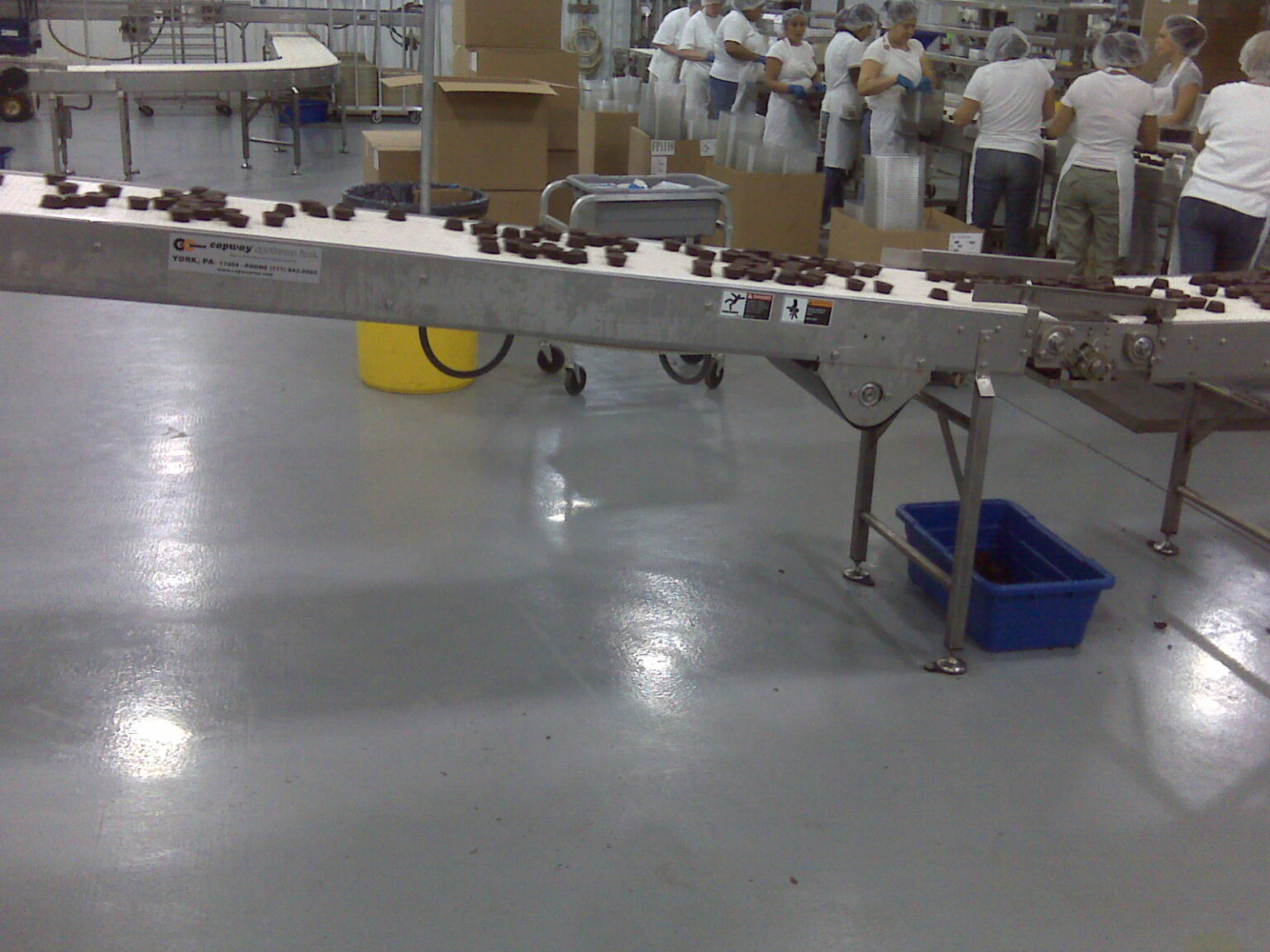
Vinegar dissolves concrete. So do the brines, tomato acids and lactic acid in sauce, pickle and fermented food plants, and hot kettles and hot-fill lines add thermal shock on top. Floors in these plants pit, then crumble. PumaCRETE urethane concrete flooring resists acetic, lactic and fruit acids, seals salt brine out of the slab, and handles hot spills from kettles and fillers.
Acetic acid
Vinegar resistant
248°F
Maximum service temperature
Salt brine
Sealed out of the slab
5-yr
Written warranty
GET A FREE QUOTE

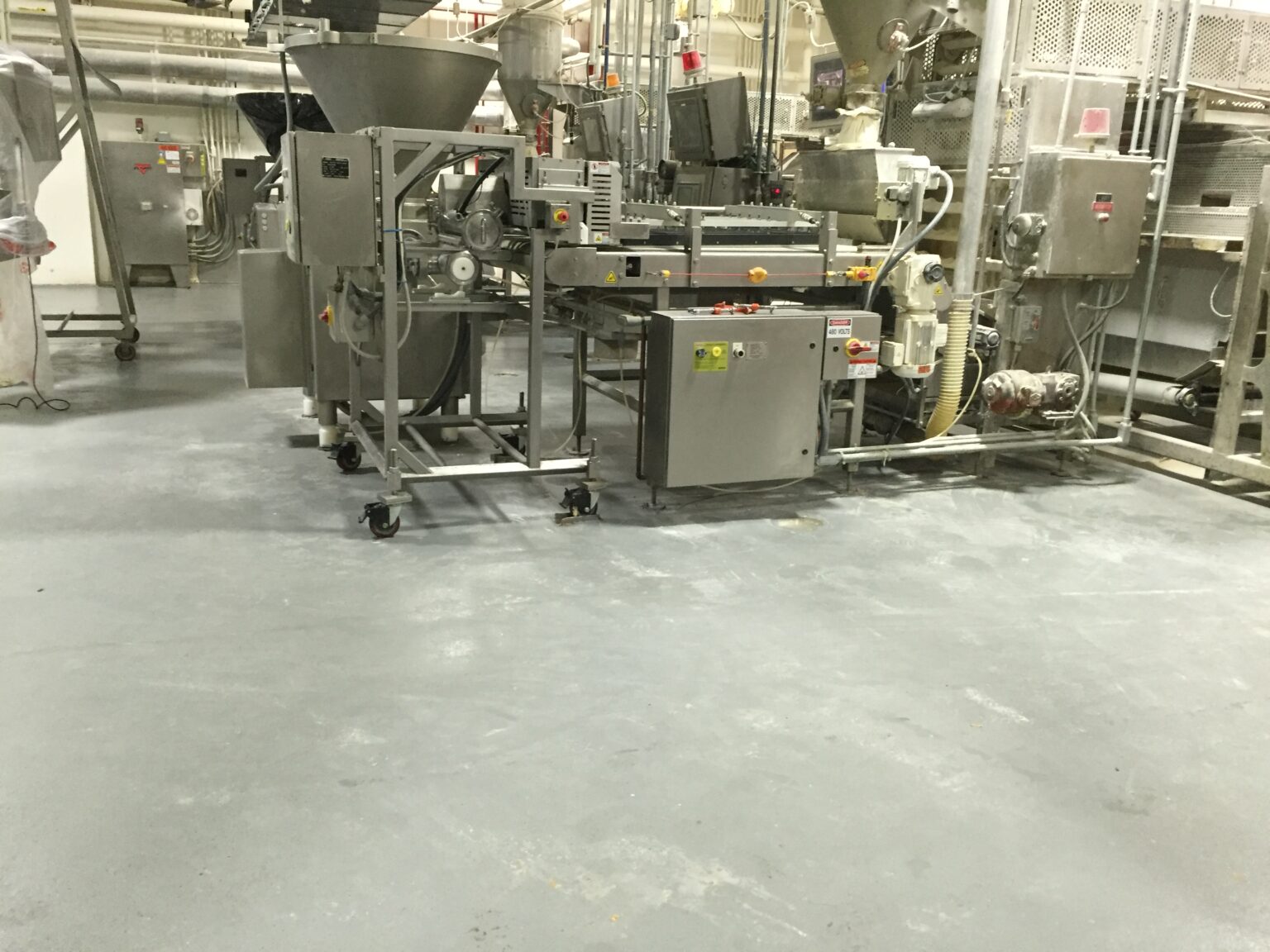
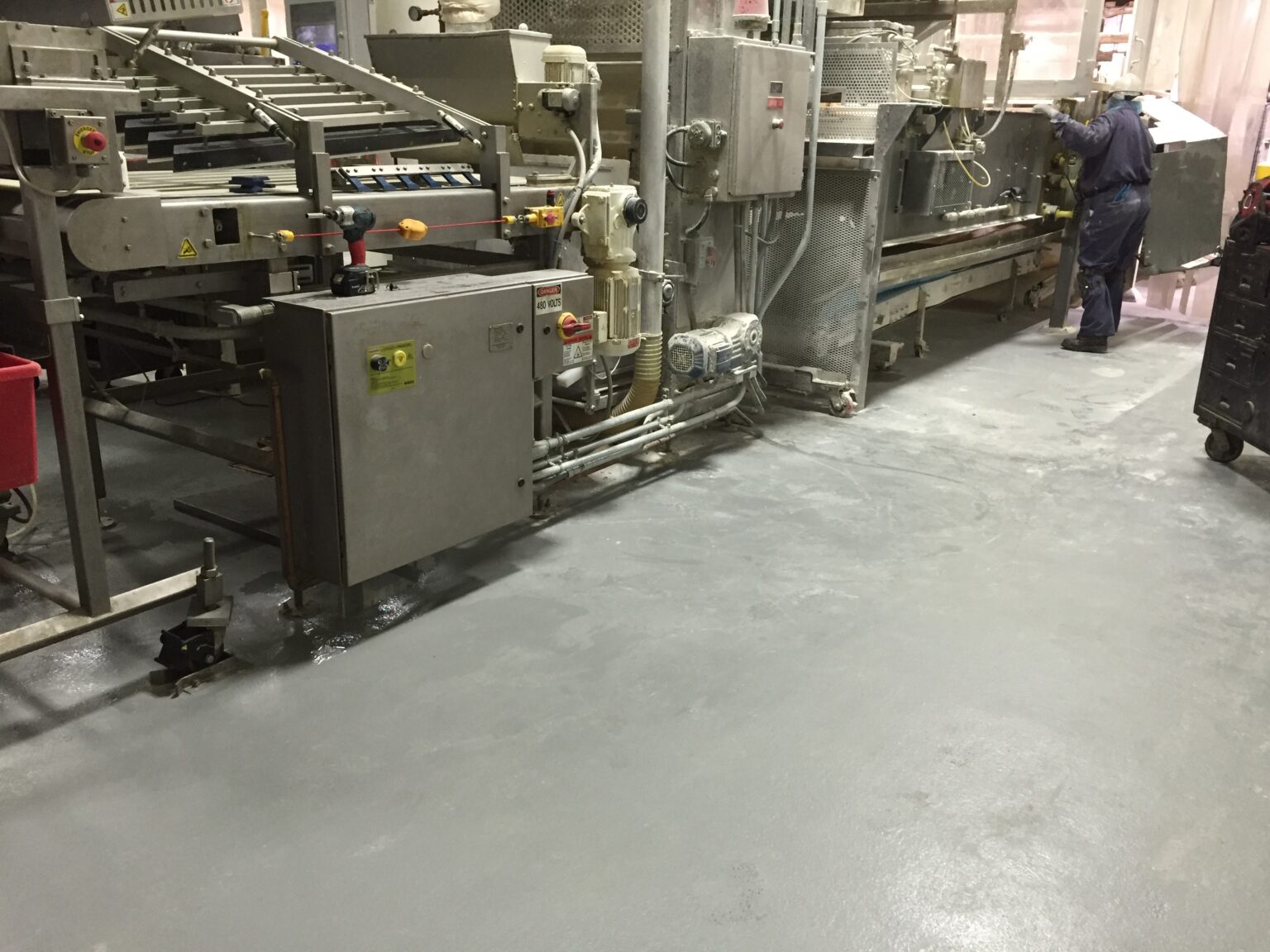
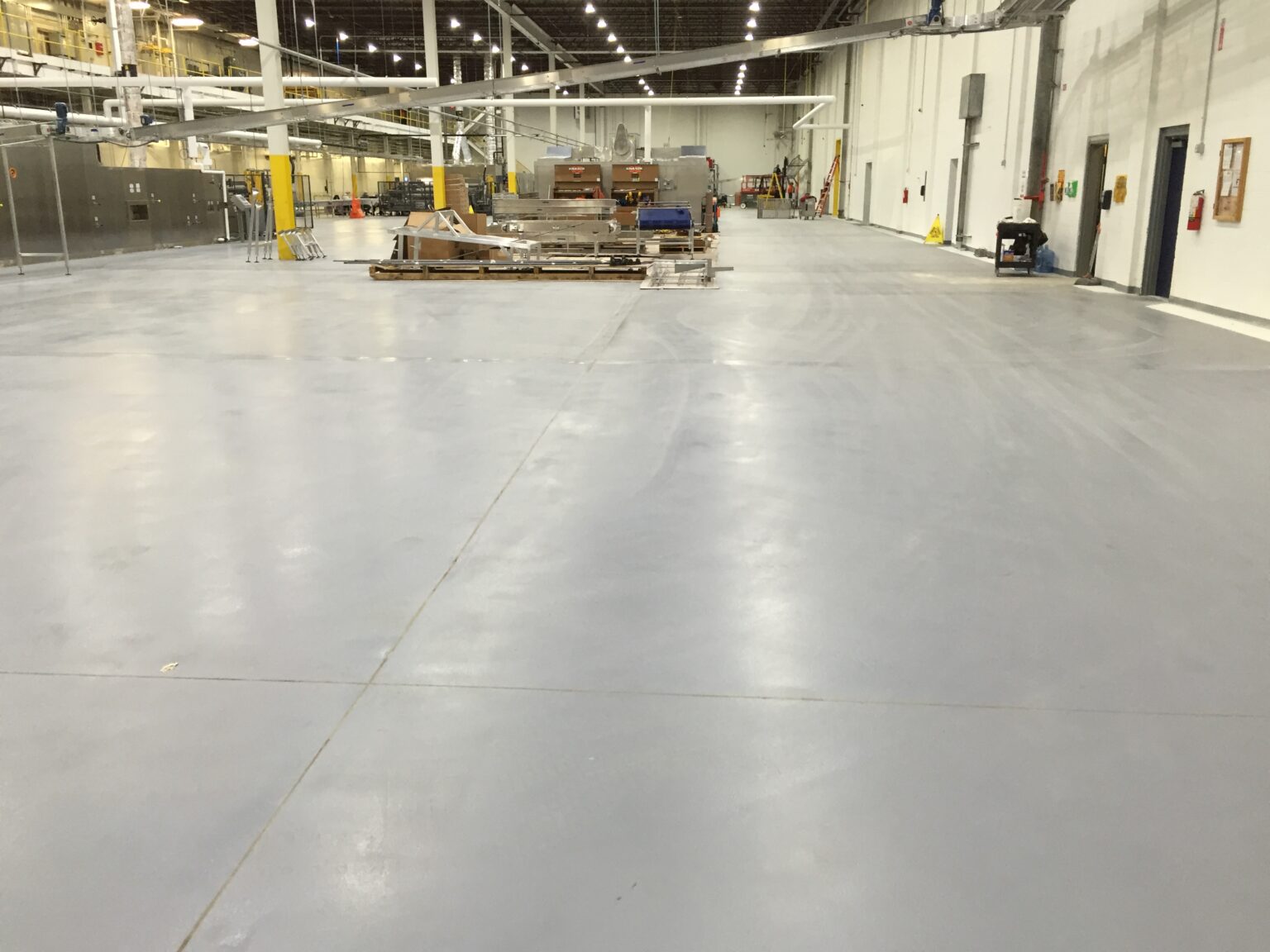
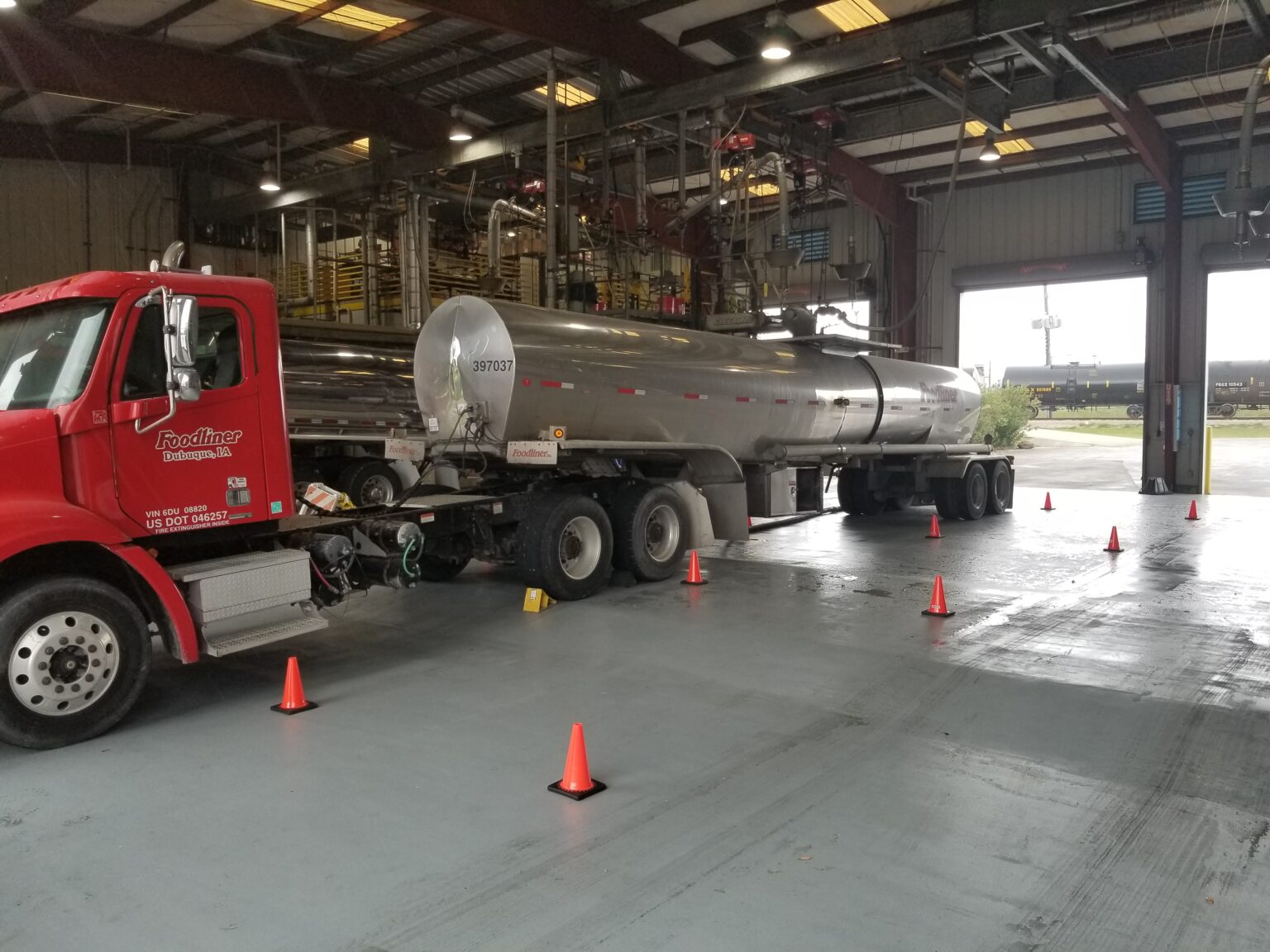
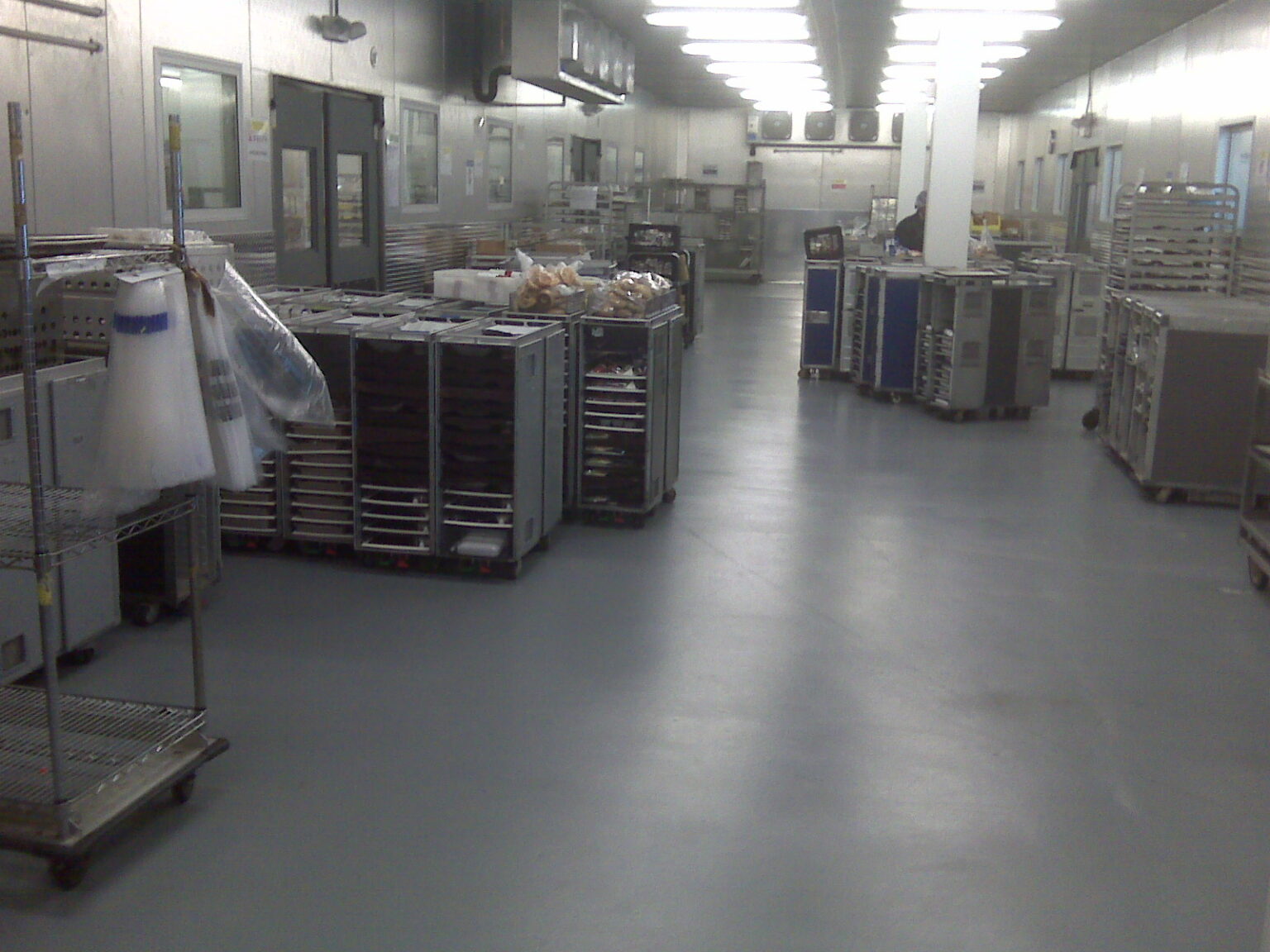
What sauces, pickles and ferments do to a floor
Vinegar (acetic acid)
Vinegar dissolves the cement paste in concrete. Pickle and condiment plants that spill it daily lose their floors fast. PumaCRETE resists acetic acid.
Salt brine
Brining and fermenting tanks keep the floor wet with salt that breaks concrete down from inside. A sealed topping keeps it out.
Lactic acid from fermentation
Sauerkraut, kimchi and other ferments produce lactic acid that etches concrete. Urethane concrete resists organic acids.
Tomato and fruit acids
Ketchup, salsa and fruit sauces combine acids with sugar, both hard on concrete.
Hot kettles and hot-fill
Steam kettles, cookers and hot-fill lines put hot product and water on the floor. Thermal zones get 3/8 inch.
Spices and oils
Spice blends and oil-based dressings stain and soften coatings. The sealed surface resists both.
Recommended system by zone
One urethane concrete system, configured for the room you’re standing in. Thickness, texture and cove are set zone by zone. Add 1/8 in for integral cove.
| Zone | Recommended system | Key exposures |
|---|---|---|
| Ingredient receiving and dry storage | 401-HF, 1/4 in | Forklift traffic, spice dust |
| Brining and fermentation tanks | 401-HF, 1/4 in + cove | Salt brine, lactic acid, constant wet |
| Vinegar and acid storage | 401-HF, 1/4 in + cove | Acetic acid, spills |
| Kettles and cooking | 401-HF, 3/8 in (thermal) + cove | Hot product, steam, acids |
| Hot-fill and filling | 401-HF, 3/8 in (thermal), slip-grade | Heat, acidic spills, sugar |
| Labeling and packaging | 401-HF, 1/4 in | Conveyor debris, glass |
Rebuilding acid-damaged floors
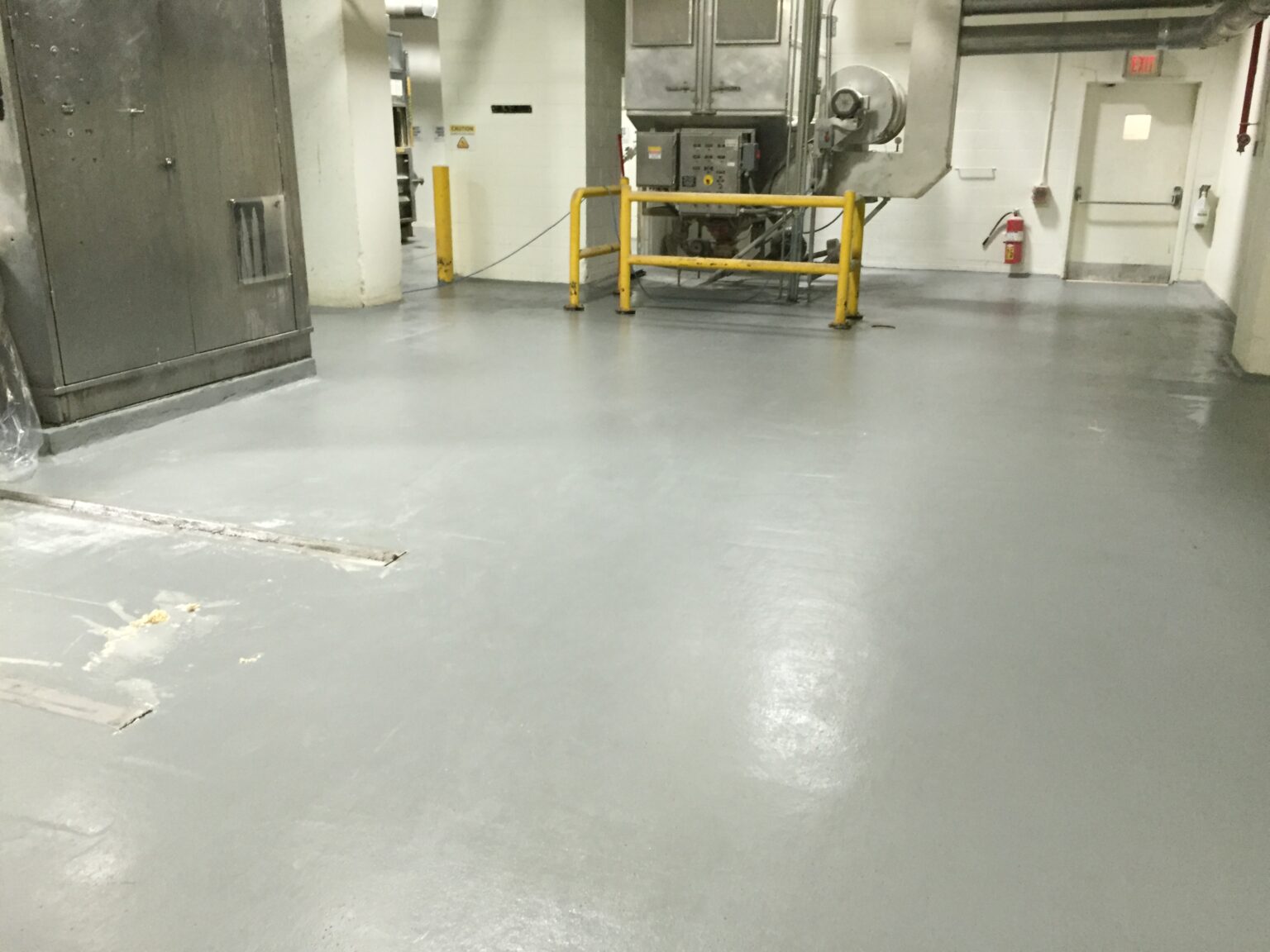
Acid-damaged concrete removed
Concrete softened by vinegar and brine is ground back to sound material and patched before the topping goes down.
Phased around production
Tank rooms and lines are done in zones over planned down days.
Drains rebuilt
Drain edges, often the first thing eaten away by acid, are rebuilt and coved.
Food safety and audits
- Meets FDA current good manufacturing practice: floors that can be adequately cleaned and kept in good repair (21 CFR Part 117)
- Acidified foods plants: supports the sanitation requirements of 21 CFR Part 114
- Aligned with SQF, BRC, IFS and FSSC 22000 audit expectations
- OSHA-compliant slip resistance (wet coefficient of friction 0.6–0.9)
Performance data
| Property | PumaCRETE 401-HF |
|---|---|
| Compressive strength | 9,500 psi (ASTM C579) |
| Tensile strength | 1,450 psi (ASTM C307) |
| Flexural strength | 3,200 psi (ASTM C580) |
| Bond to concrete | Exceeds substrate (ASTM D7234) |
| Abrasion resistance | 0.06 g loss (ASTM C501) |
| Impact resistance | >160 in-lb (ASTM D2794) |
| Service temperature | -40°F to 248°F |
| Thermal shock | Pass, boiling-to-ambient cycles |
| Wet coefficient of friction | 0.6–0.9 (tunable) |
| Vapor pressure tolerance | Up to 25 lbs through the slab |
| Minimum install temperature | 35°F (operating coolers) |
| Standard thickness | 1/4 in (3/8 in in thermal zones) |
Standard 1/4-inch PumaCRETE 401-HF system. Full test data is on the technical data sheets.
Three ways to buy, direct from the manufacturer
Every system on this page is made by PumaCRETE and sold direct, with no distributor markup.
Buy the materials
Urethane concrete, primers, topcoats and cove kits shipped direct from the manufacturer to your plant. No distributor markup.
Buy it installed
Turnkey installation by factory-trained crews, with material and workmanship warranties from a single source.
Train your own crew
A factory-employed PumaCRETE trainer certifies your maintenance team or local contractor on your slab: prep, mixing, troweling, cove and testing.
Frequently Asked Questions
Sauces, Pickling & Fermented Foods FAQ's
Acetic acid reacts with and dissolves the cement paste that holds concrete together. Daily spills turn floors rough and pitted, then crumbling. A sealed urethane concrete topping keeps vinegar off the concrete.
Yes. The seamless, non-porous surface supports the sanitation requirements of acidified foods plants under 21 CFR Part 114.
Yes. We specify 3/8 inch around kettles and hot-fill. The system is rated for service up to 248°F.
For rooms storing concentrated acids, we add specialty topcoats with documented exposure ratings. Send us your chemical list.
EXPERIENCE AND EXPERTISE
Ready to spec your sauce or pickle plant floors?
Get a no-obligation site assessment. We review your rooms, chemistry, temperatures and production calendar, then deliver a written specification and budget within five business days.
