
Dairy, Seafood & Cold Chain · Dairy
Dairy & Cheese Plant Floors That Stand Up to Lactic Acid
Lactic acid is the number one reason dairy floors fail. Spilled milk and whey sour on the floor, CIP systems dump hot caustic and acid rinses, cheese brine soaks into joints, and coolers never warm up long enough for a coating to cure. PumaCRETE urethane concrete flooring resists lactic acid, takes hot CIP discharge, and installs in operating coolers at 35°F.
Lactic acid
Resistant, not just tolerant
35°F
Cures in operating coolers
248°F
Maximum service temperature
5-yr
Written warranty
GET A FREE QUOTE

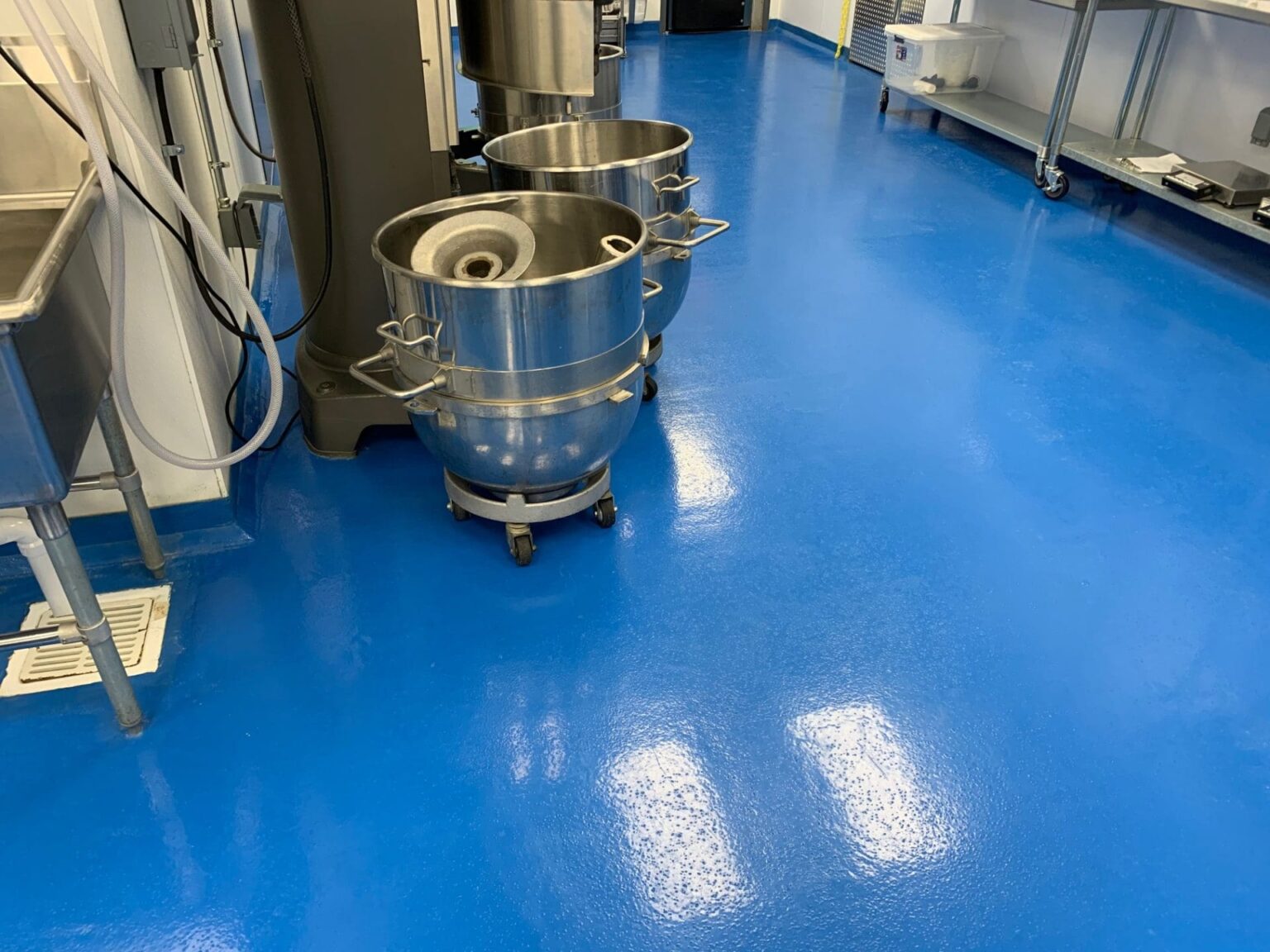
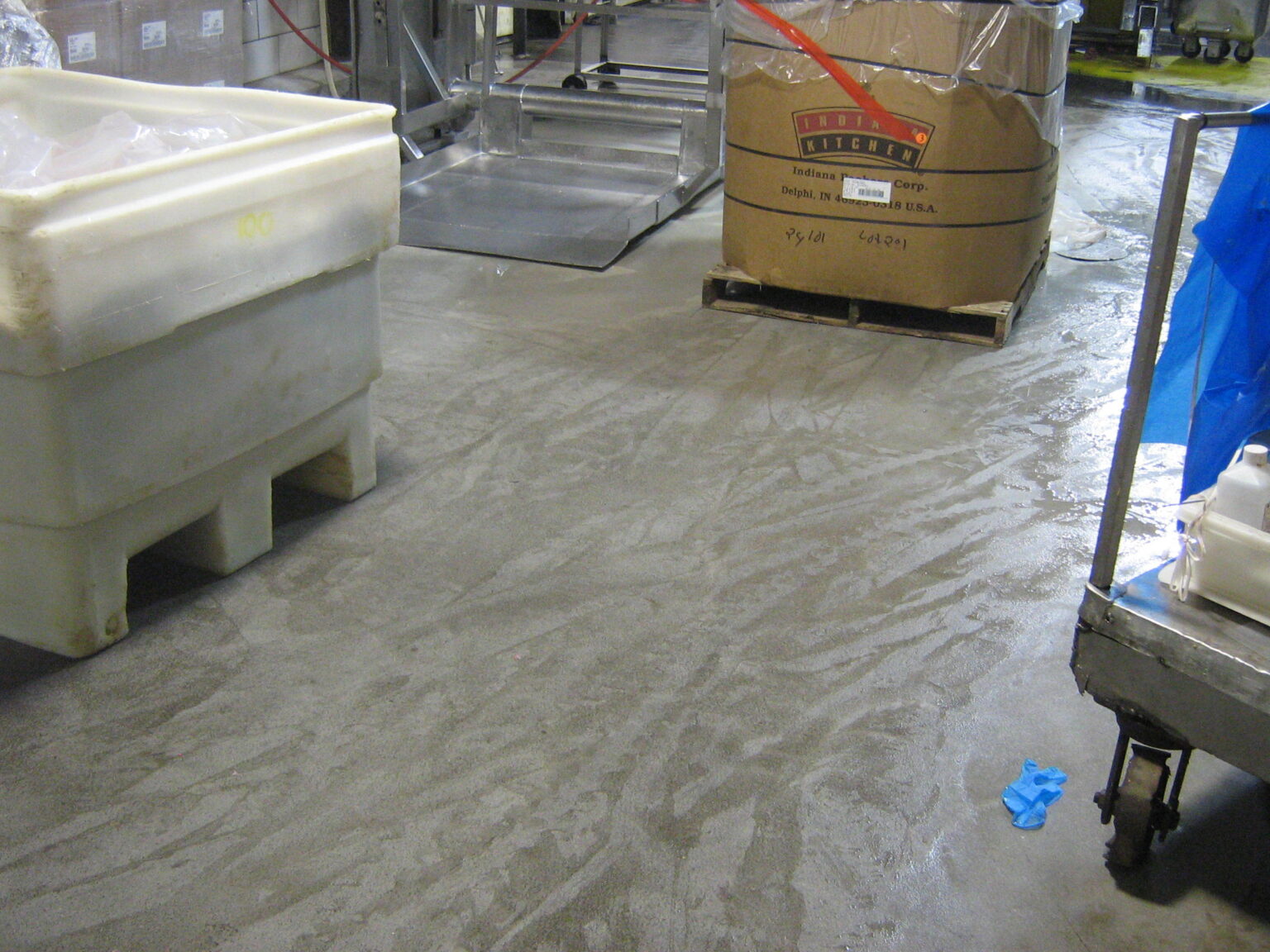
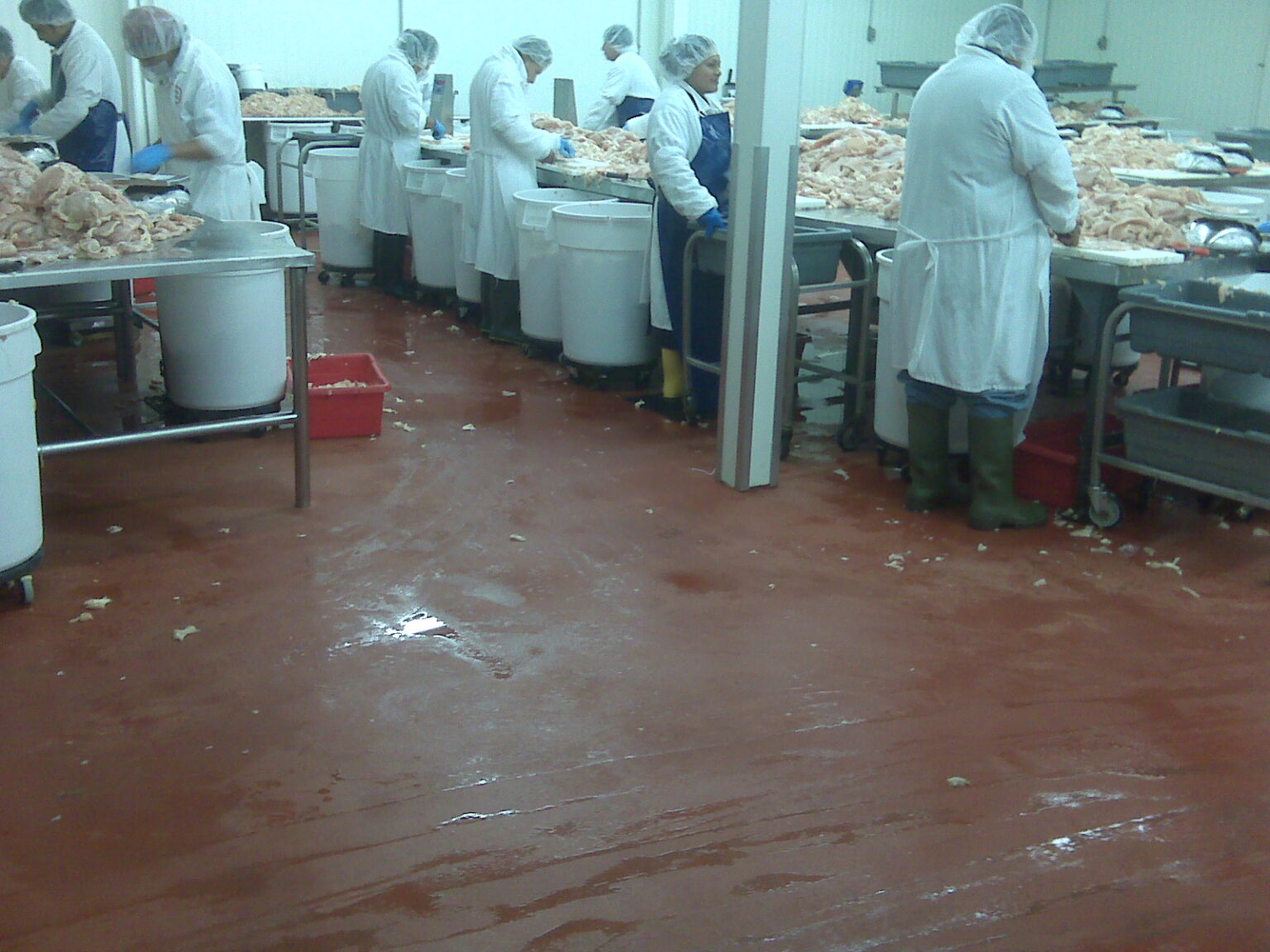
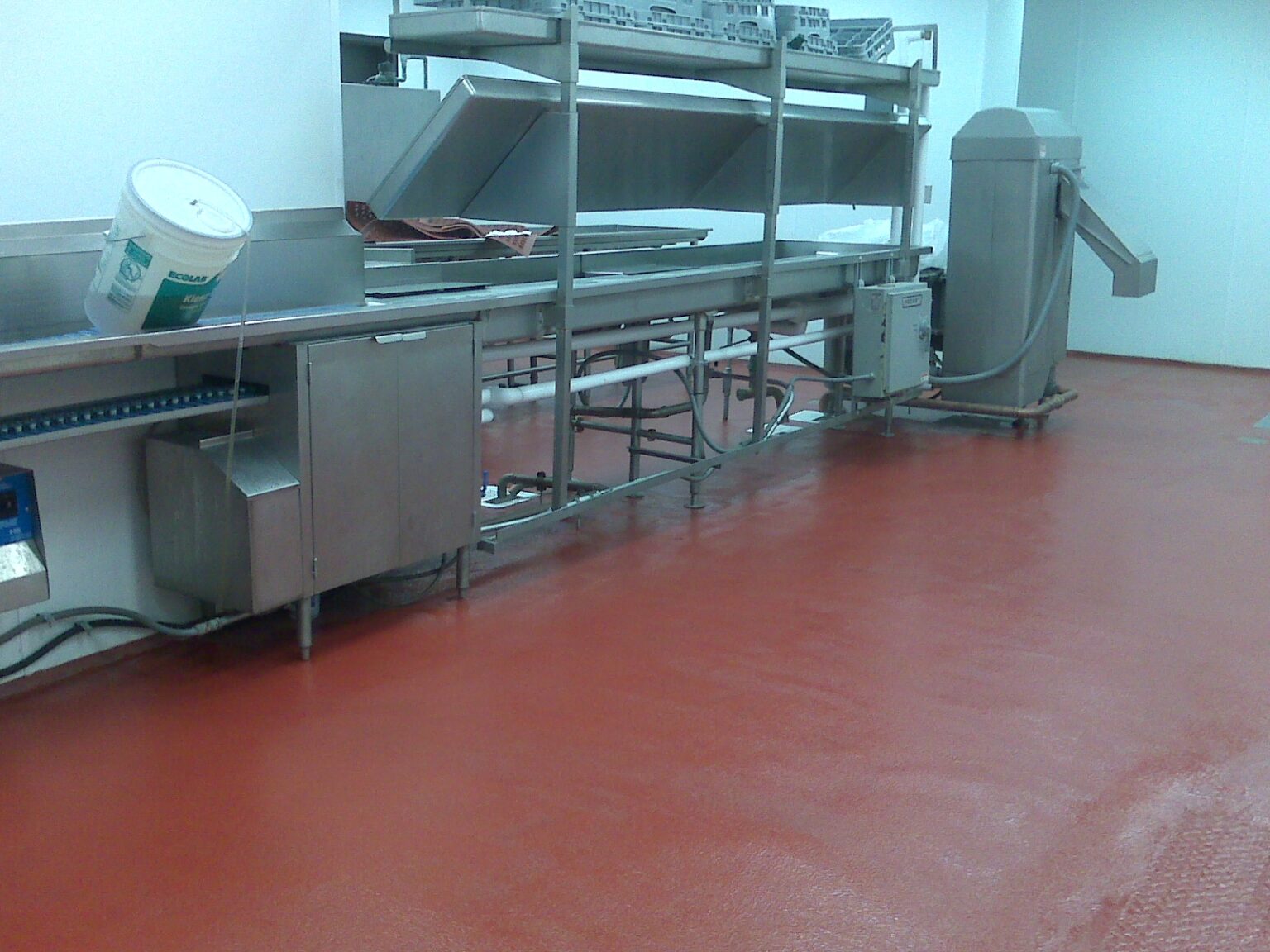
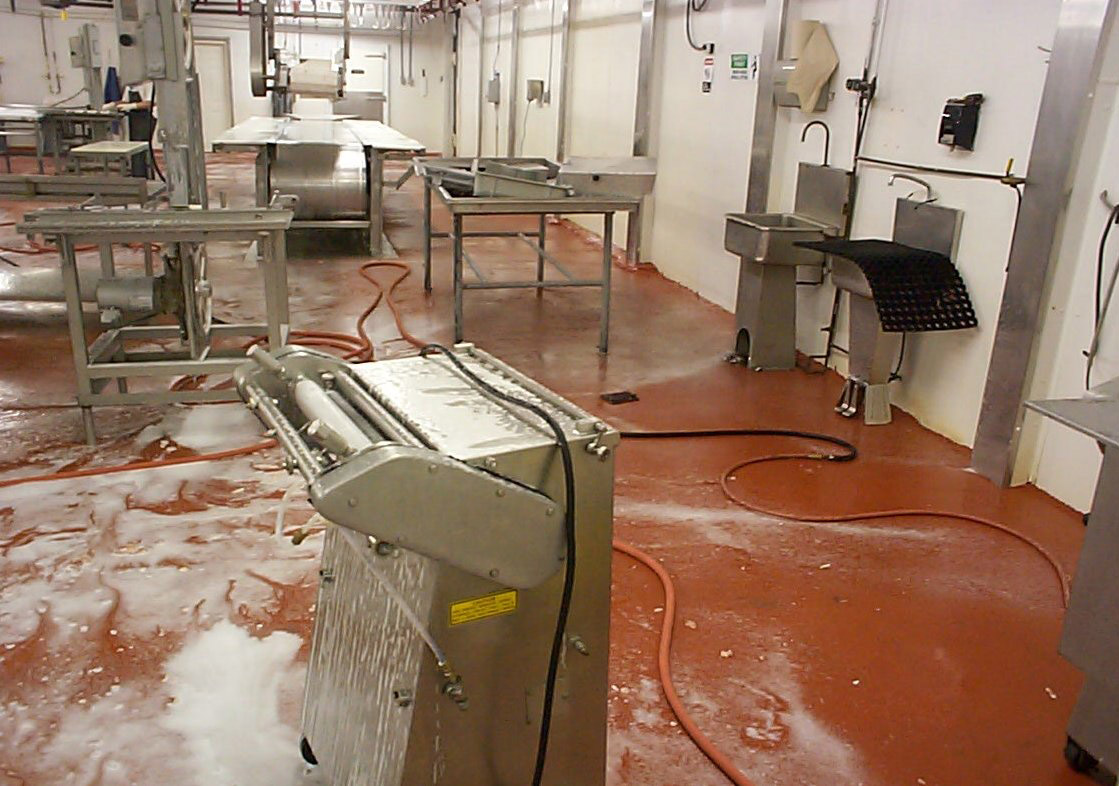
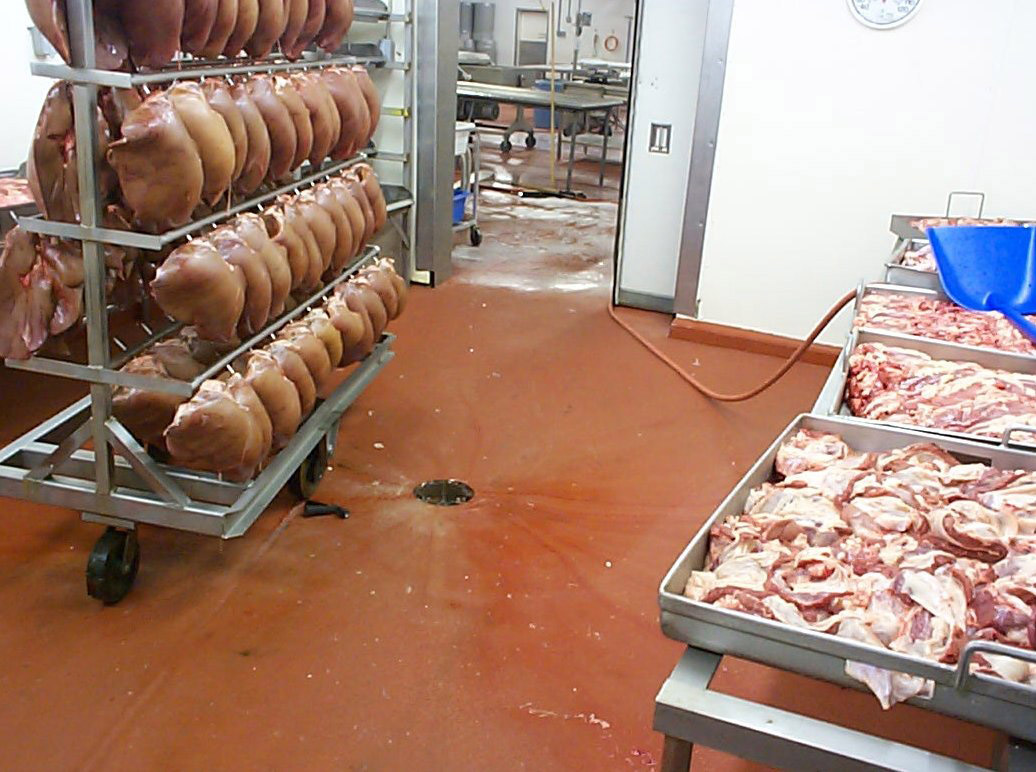

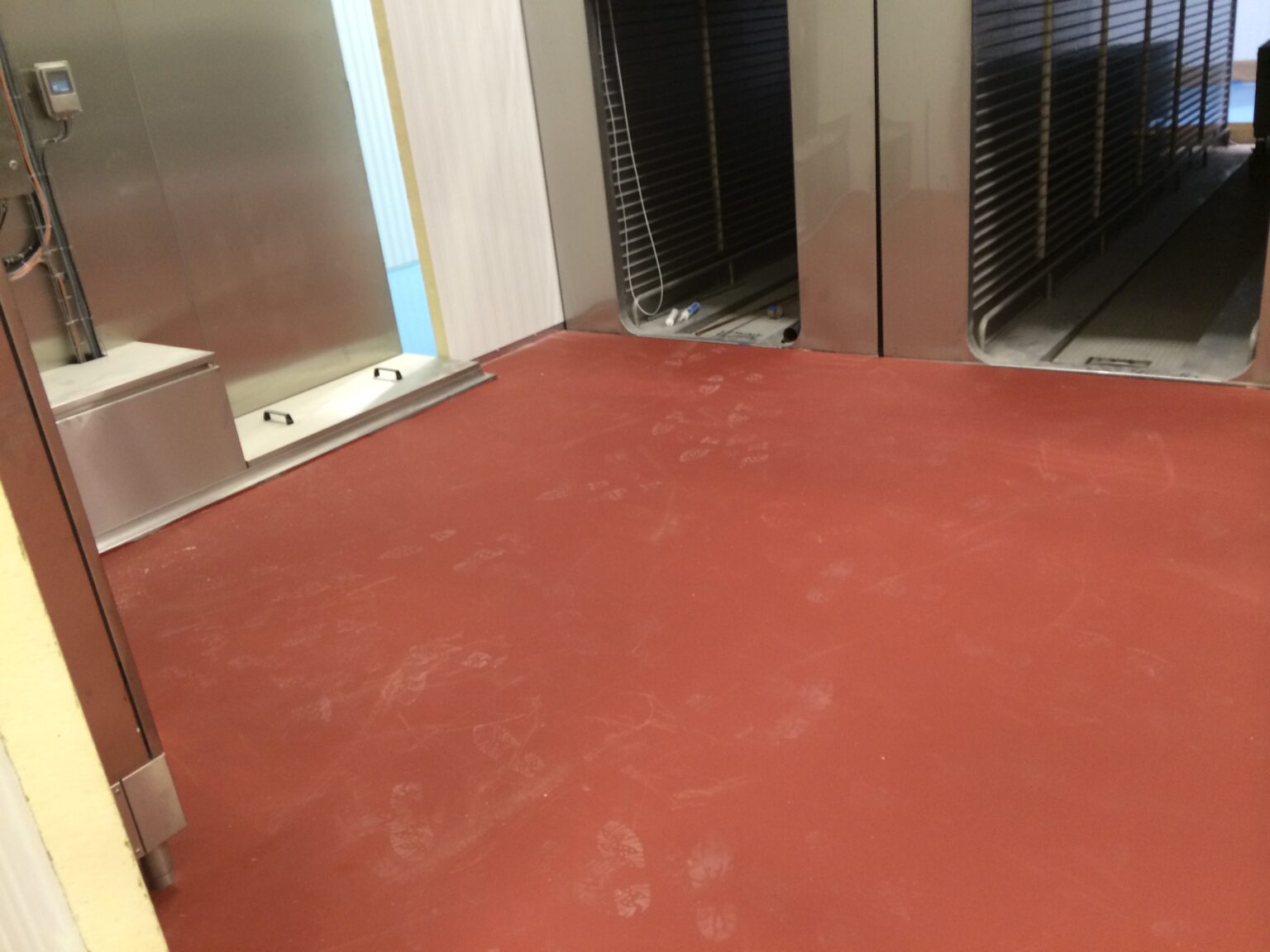
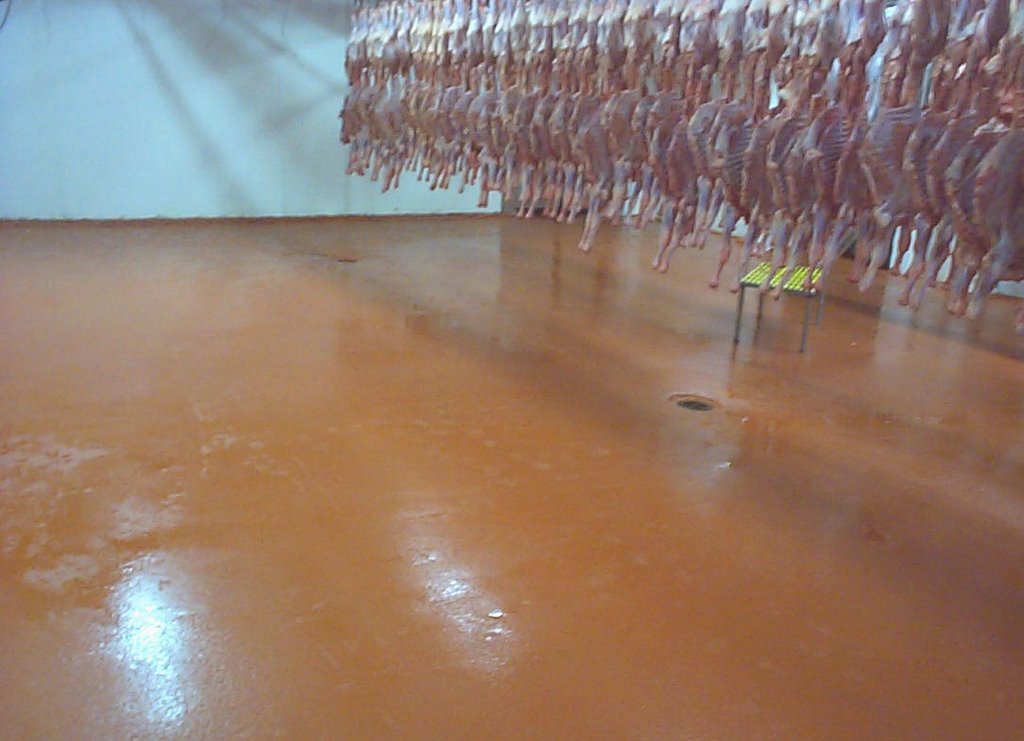
What a dairy plant does to a floor
Lactic acid from milk and whey
Milk and whey turn acidic as they spoil and eat into concrete and epoxy within months. Urethane concrete is formulated to resist lactic and other organic acids.
Hot CIP discharge
CIP systems flush hot caustic, acid and sanitizer rinses straight to the floor drains. PumaCRETE handles the chemistry and the thermal shock of hot water hitting a cold slab.
Cheese brine
Salt brine tanks for mozzarella, feta and other cheeses keep the floor wet with salt that breaks concrete down from inside. A sealed topping keeps brine out of the slab.
Cold rooms that never stop
Cheese coolers, aging rooms and finished-product storage run cold year round. PumaCRETE cures down to 35°F, so rooms don’t have to be warmed up for installation.
Humid aging rooms
Aging rooms run humid for months. The system tolerates moisture above and up to 25 lbs of vapor pressure from below without blistering.
Pallet and cheese-cart traffic
Loaded cheese carts, totes and pallet jacks roll the same routes daily. The 9,500 psi troweled system resists wear and impact at doorways and turns.
Recommended system by zone
One urethane concrete system, configured for the room you’re standing in. Thickness, texture and cove are set zone by zone. Add 1/8 in for integral cove.
| Zone | Recommended system | Key exposures |
|---|---|---|
| Raw milk receiving bay | 401-HF, 3/8 in, slip-grade | Tanker hose-downs, milk spills, CIP returns, cold weather |
| Separation and pasteurization (HTST/UHT) | 401-HF, 3/8 in (thermal) + cove | Hot water, steam, CIP caustic and acid |
| Cheese make room and vats | 401-HF, 1/4 in + cove, slip-grade | Whey, curd, lactic acid, constant wet |
| Brine room | 401-HF, 1/4 in + cove | Salt brine, cold, constant wet |
| Aging and cheese coolers | 401-HF, 1/4 in (cold cure) | Humidity, cold, rack loads |
| Filling, cupping and packaging | 401-HF, 1/4 in | Milk spills, cart traffic, sanitizers |
Installing in a dairy that never stops
Cold rooms stay cold
PumaCRETE cures at 35°F, with an optimal range of 40–50°F, so coolers and aging rooms don’t have to be warmed up or emptied for long.
Phased around production
Receiving, processing and packaging are done in zones over planned down days, each returned to CIP service about 24 hours after the final coat.
Drains and slope corrected
Low spots where whey and CIP water pond are re-sloped, and drain edges rebuilt, before the topping goes down.
Dairy sanitation and audits
- Seamless, non-porous floors that meet the cleanable, good-repair expectations of the Grade “A” Pasteurized Milk Ordinance (PMO) inspections
- Meets FDA current good manufacturing practice: floors that can be adequately cleaned and kept in good repair (21 CFR Part 117)
- Aligned with SQF, BRC, IFS and FSSC 22000 audit expectations
- Integral cove base and slope-to-drain installation support your sanitation SOPs
- Close-out package for your audit file: moisture readings, thickness verification, slip-resistance testing and photos
Performance data
| Property | PumaCRETE 401-HF |
|---|---|
| Compressive strength | 9,500 psi (ASTM C579) |
| Tensile strength | 1,450 psi (ASTM C307) |
| Flexural strength | 3,200 psi (ASTM C580) |
| Bond to concrete | Exceeds substrate (ASTM D7234) |
| Abrasion resistance | 0.06 g loss (ASTM C501) |
| Impact resistance | >160 in-lb (ASTM D2794) |
| Service temperature | -40°F to 248°F |
| Thermal shock | Pass, boiling-to-ambient cycles |
| Wet coefficient of friction | 0.6–0.9 (tunable) |
| Vapor pressure tolerance | Up to 25 lbs through the slab |
| Minimum install temperature | 35°F (operating coolers) |
| Standard thickness | 1/4 in (3/8 in in thermal zones) |
Standard 1/4-inch PumaCRETE 401-HF system. Full test data is on the technical data sheets.
Three ways to buy, direct from the manufacturer
Every system on this page is made by PumaCRETE and sold direct, with no distributor markup.
Buy the materials
Urethane concrete, primers, topcoats and cove kits shipped direct from the manufacturer to your plant. No distributor markup.
Buy it installed
Turnkey installation by factory-trained crews, with material and workmanship warranties from a single source.
Train your own crew
A factory-employed PumaCRETE trainer certifies your maintenance team or local contractor on your slab: prep, mixing, troweling, cove and testing.
Frequently Asked Questions
Dairy & Cheese Plant Floors FAQ's
Spilled milk and whey ferment into lactic acid, which dissolves the cement paste in concrete and attacks epoxy. Floors pit, then grout and joints fail. Urethane concrete is formulated to resist lactic acid in daily contact.
Yes. It's rated for service up to 248°F, passes boiling-to-ambient thermal shock cycles, and resists caustic, nitric and phosphoric acid CIP chemistry. We specify 3/8 inch around pasteurization and CIP drains.
Yes. PumaCRETE cures down to 35°F, so it can be installed in operating coolers. Most rooms return to service about 24 hours after the final coat.
Yes. Mix rooms, pasteurizers and freezing lines use the same system. For hardening rooms below 35°F, we discuss MMA repair options or a short warm-up period.
More Related food & beverage floors
EXPERIENCE AND EXPERTISE
Ready to spec your dairy plant floors?
Get a no-obligation site assessment. We review your rooms, chemistry, temperatures and production calendar, then deliver a written specification and budget within five business days.
