PumaCRETE® | Industrial static control
ESD Epoxy Flooring for Electronics Manufacturing
Protect sensitive electronic components with industrial ESD flooring, static dissipative flooring and anti-static epoxy flooring systems designed for PCB assembly, semiconductor facilities, cleanrooms and electronics testing areas.
Choose a grounded, seamless resin flooring system for your concrete substrate, production traffic and electrical performance requirements. Nationwide installation, materials supply and factory training are available.
GET A QUOTE

Industrial concrete floors
Static dissipative & conductive options
Specification and testing support





The PumaCRETE Buying Experience
Three Ways to Buy. One Engineered ESD System.
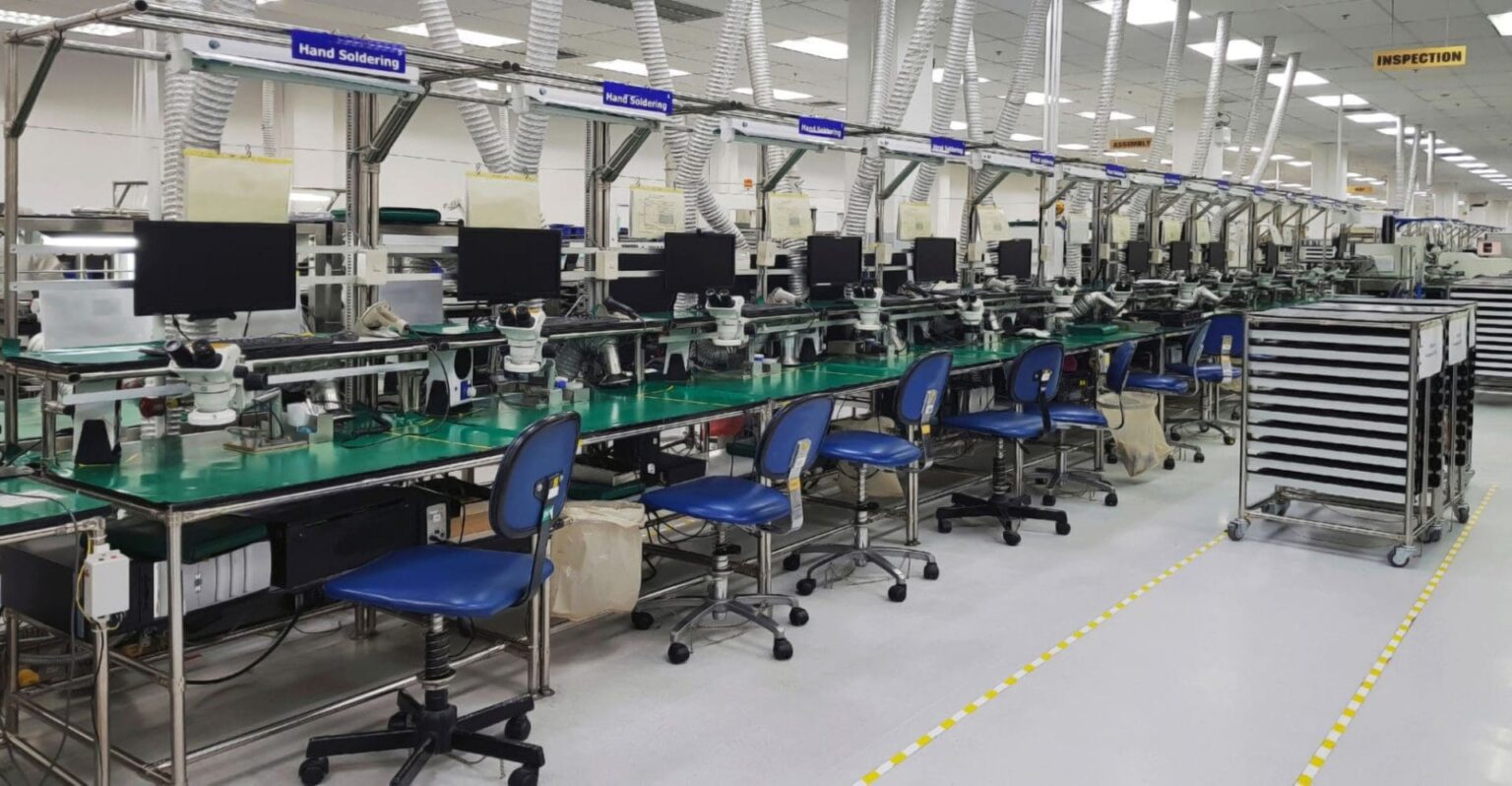
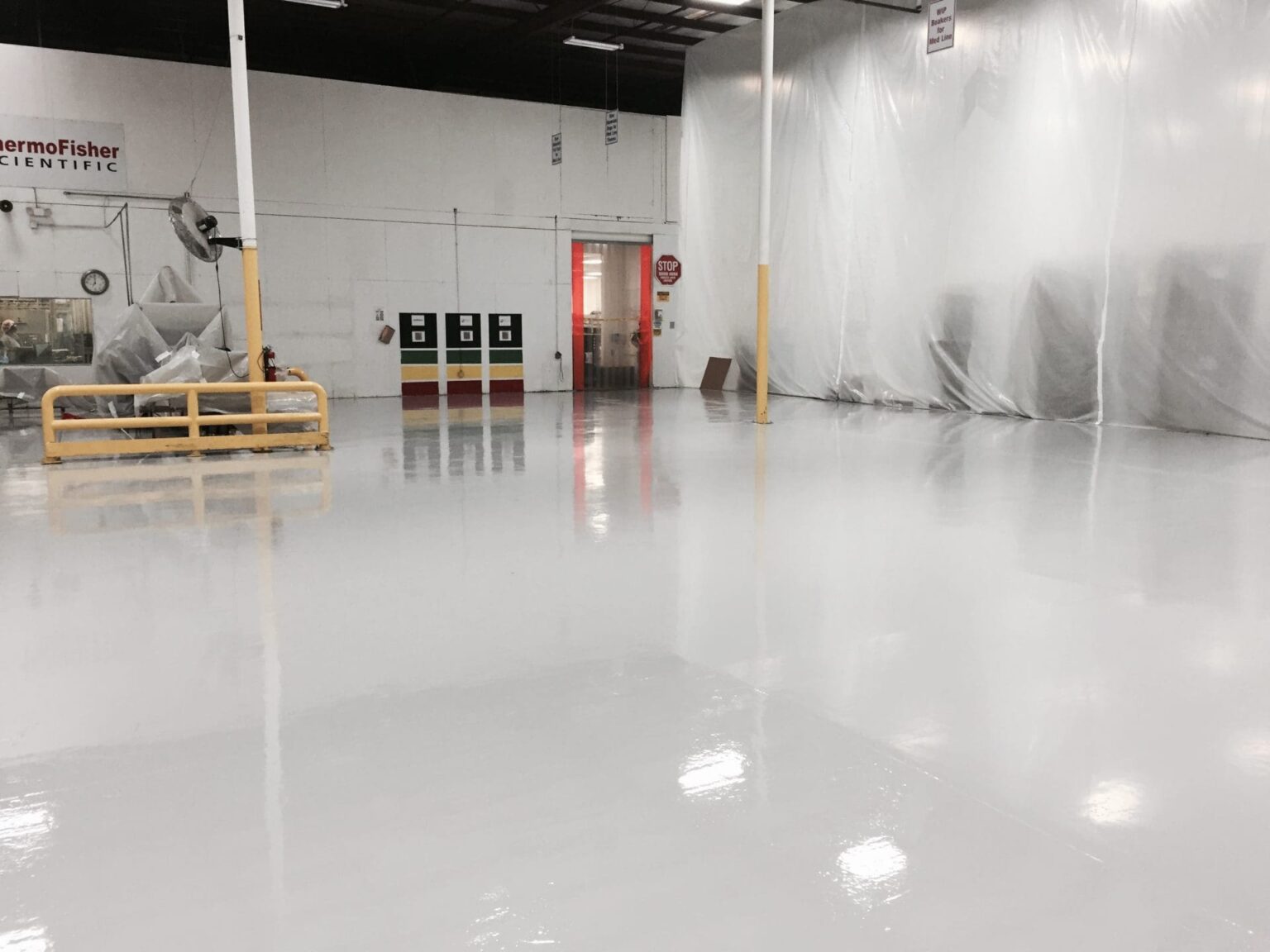
PumaCRETE customizes the buying experience to match how your project is structured. Choose complete turnkey installation through our nationwide network of certified applicators, purchase materials only if you have your own crew or contractor, or schedule expert on-site factory training to qualify your own installers. One manufacturer, three ways to buy.
What Is ESD & Conductive Flooring?
ESD flooring — also called static dissipative flooring or anti-static flooring — and conductive flooring are engineered floor systems that control the buildup and discharge of static electricity. Both are designed to prevent electrostatic discharge events that can destroy sensitive electronic components, ignite flammable solvents, or trigger accidental detonation in munitions environments.
Per the EOS/ESD Association standard ANSI/ESD S20.20, an ESD floor system must achieve surface resistance below 1.0×10&sup9; ohms (STM7.1), combined system resistance below 3.5×10&sup7; ohms (STM97.1), and body voltage generation below 100 volts (STM97.2). PumaCRETE static dissipative systems meet all three thresholds — and consistently achieve body voltage below 15 volts with conductive footwear, well beneith the 100-volt regulatory ceiling.
Whether you are protecting a PCB assembly line, a data center server room, an Army Ammunition Plant under DoD 4145.26-m, a semiconductor fab under ISO 14644-1, or an AGV corridor in a 24/7 fulfillment center, PumaCRETE manufactures the right ESD or conductive system. Learn more about ANSI/ESD S20.20(opens in new tab) from the EOS/ESD Association.
Industrial ESD flooring that supports your production process
Electrostatic discharge flooring helps control electrical charge in areas where sensitive assemblies are manufactured, handled or tested. Unlike ordinary epoxy, an ESD epoxy floor coating is engineered as part of a grounded static control flooring system. The right floor works with compatible footwear, workstations and your facility’s ESD control procedures.
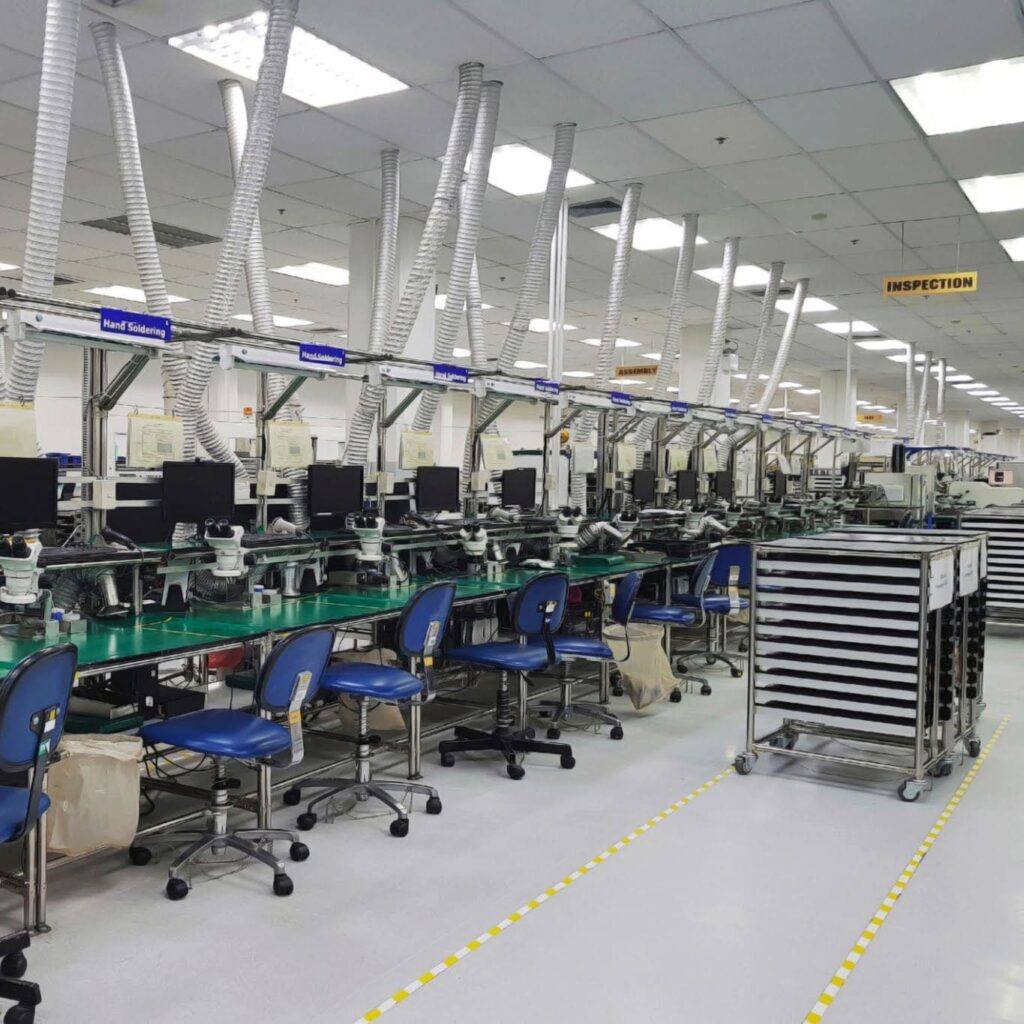
PCB assembly & SMT
Low-charge-generating floors for assembly lines, component handling and rework stations.
Semiconductor & microelectronics
Select resin systems for fabrication support, packaging, inspection and controlled environments.
Cleanroom ESD flooring
Seamless, cleanable surfaces selected for the facility’s contamination control and cleaning requirements.
Test, repair & staging
Static control floors for test benches, kitting, storage and equipment movement.
Compare static dissipative, conductive and anti-static flooring
Electrical resistance, walking voltage, traffic and substrate condition determine which electrostatic flooring system is appropriate. Anti-static flooring is a broad description, not proof of a specified resistance or personnel grounding performance.
DISSIPATIVE
Static dissipative epoxy flooring
Electrostatic dissipative flooring is commonly selected for electronics production and handling. Specify the required resistance and verify performance with the intended footwear.
CONDUCTIVE
Conductive epoxy floor coating
A lower-resistance option when the project specifically calls for a conductive system. Confirm electrical safety and the required range before selection.
STATIC CONTROL
Anti-static epoxy flooring
An engineered anti-static epoxy flooring system can provide a durable, cleanable finish with specified static control. Do not rely on the term anti-static alone.
PumaESD flooring options for concrete
200-PumaESD
Thin-film static dissipative floor coating for suitable concrete in controlled production areas. Published nominal thickness: 12–20 mils. Conductive alternative: 200c.
201-d PumaESD
High-build static control epoxy flooring for facilities needing a thicker coating. Published nominal thickness: 30–40 mils. Conductive alternative: 201-c.
301-PumaESD
Heavy-duty dissipative resurfacer for worn concrete and heavier production traffic. Published nominal thickness: 1/8–3/16 inch. Conductive alternative: 301c.
System descriptions follow the published product index. Confirm current thickness, resistance and installation requirements using the latest technical data sheets.
ESD floor paint, anti-static concrete sealer or complete flooring system?
If you are searching for ESD floor paint, anti-static epoxy paint or anti-static paint for concrete floors, first determine whether a coating alone can satisfy your specification. An anti-static concrete sealer or anti-static floor finish may reduce charge under some conditions, but a generic sealer is not a substitute for a qualified grounded ESD floor system.
For sound, prepared concrete, a thin-film anti-static epoxy floor coating may be suitable. For worn slabs, heavy cart traffic or damaged concrete, a high-build ESD epoxy coating or resin resurfacer may be more appropriate. The selected anti-static floor coating must be compatible with the substrate, grounding design and service conditions.
Rather than choosing an anti-static floor covering based only on initial cost, compare surface preparation, electrical testing, maintenance, downtime and expected traffic.
ESD compliant flooring: specification and verification
ANSI/ESD S20.20 addresses the facility’s ESD control program. A flooring product alone does not establish program compliance. Where flooring and footwear are used for personnel grounding, qualify and verify the combination under the applicable requirements.
Floor resistance
ANSI/ESD STM7.1 addresses resistance measurement of flooring materials.
Person–footwear–floor resistance
ANSI/ESD STM97.1 evaluates the combined grounding system.
Walking body voltage
ANSI/ESD STM97.2 evaluates voltage generated while walking with the intended footwear.
Request current system data and agree on test methods, acceptance criteria and documentation before installation.
ESD flooring installation and grounding
Professional anti-static flooring installation starts with a review of the concrete and the facility’s electrical requirements.
- Assess: review slab condition, moisture, traffic, ESD control plan and downtime.
- Prepare: mechanically prepare concrete and address defects and joints as specified.
- Ground: integrate grounding connections with the approved building grounding system.
- Apply: install the specified primer, conductive layers and finish according to current instructions.
- Verify: after curing, test and document the agreed electrical performance before release.
Turnkey installation
Coordinate materials and factory-trained applicators for your facility.
Materials only
Obtain system materials and technical instructions for your qualified contractor.
Factory training
Discuss on-site instruction for your installation personnel.
What does ESD epoxy flooring cost?
ESD epoxy flooring cost depends on square footage, concrete condition, moisture mitigation, system thickness, grounding, testing and work scheduling. Anti-static epoxy flooring price should be compared on the basis of a complete installed system, not simply the price per gallon of coating.
For a project estimate, provide your location, floor area, existing floor condition, anticipated traffic, electrical acceptance criteria and desired installation date.
Frequently Asked Questions
ESD & Conductive Flooring FAQ
ESD floors help control electrostatic charge as part of a coordinated grounding and protection program. Static resistant flooring is another general description; verify the actual electrical properties.
Not necessarily. Anti-static resin flooring can describe a range of products. A dissipative floor must be evaluated against a defined resistance range and the intended application.
Often, subject to inspection, moisture evaluation, removal of incompatible coatings and the specified surface preparation.
Only if the complete installed system meets the required performance. Ordinary paint or a non-static flooring claim alone is insufficient.
Yes. Selection of ESD flooring for cleanrooms depends on contamination control and cleaning protocols. ESD flooring for data centers must also address equipment loads and the project grounding plan.
Follow the selected system’s cleaning guidance, avoid incompatible waxes and residues, and repeat electrical verification as required by your ESD program.
Start your flooring project
Get the right ESD flooring system for your electronics facility
Contact PumaCRETE for system recommendations, material pricing or installation quotations.
Explore all ESD and conductive flooring systems · Technical data sheets
