Demilitarization & EOD Flooring
Conductive epoxy and urethane flooring systems engineered for demilitarization lines, energetics reclamation, Explosive Ordnance Disposal (EOD) facilities, and military range clearance operations. Decontaminable, chemical-resistant, and tuned for the hazards of handling legacy ordnance.
GET A FREE QUOTE

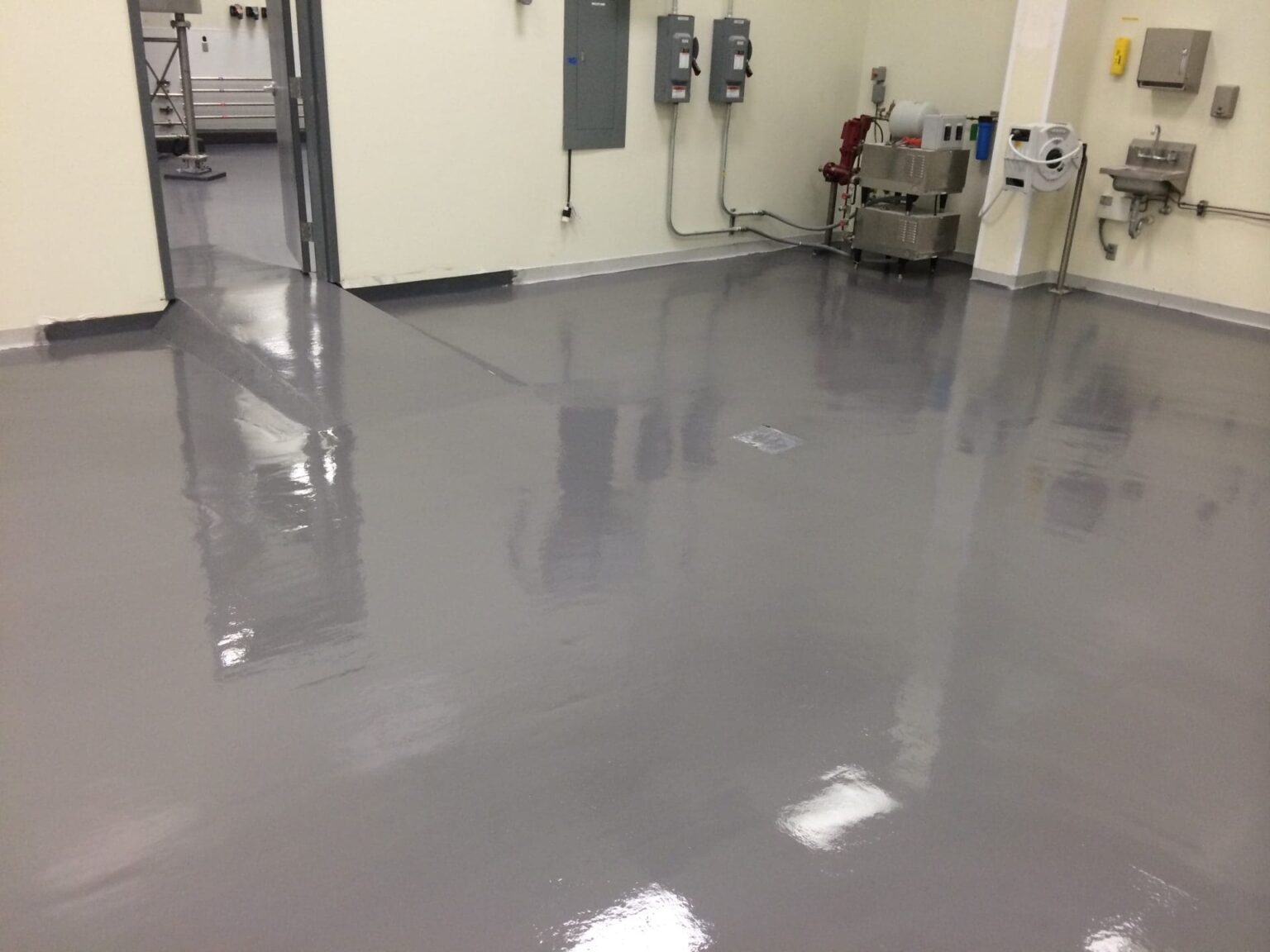
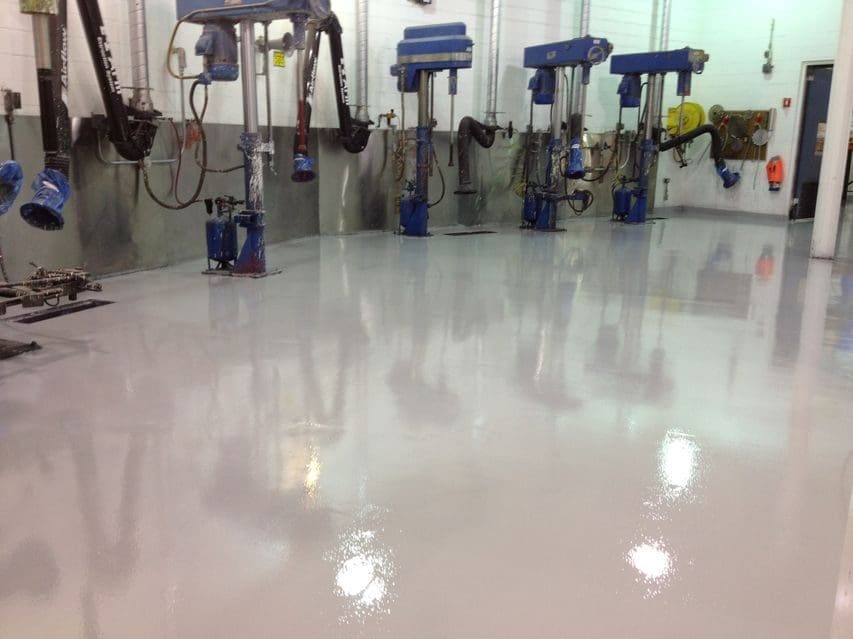
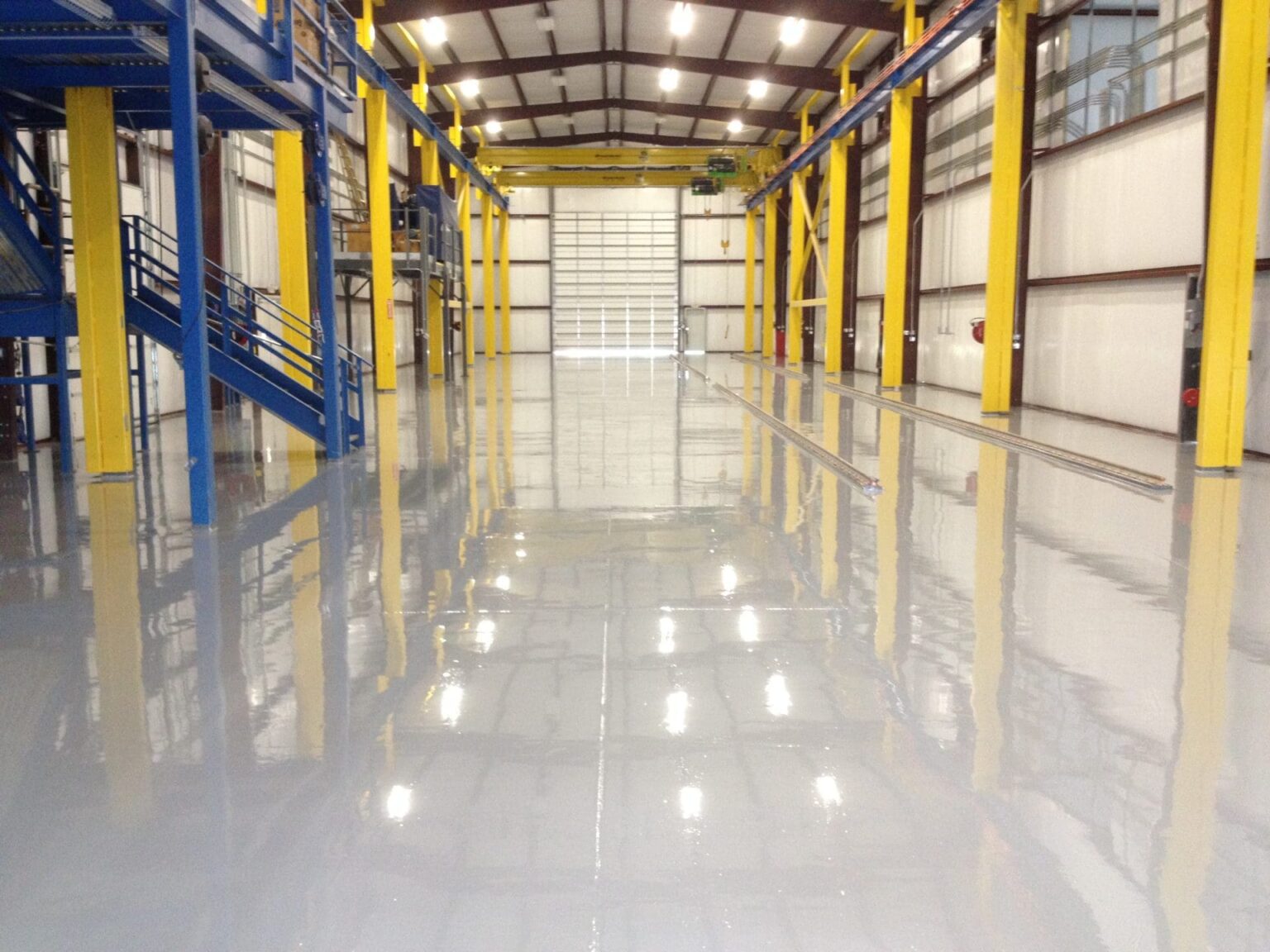
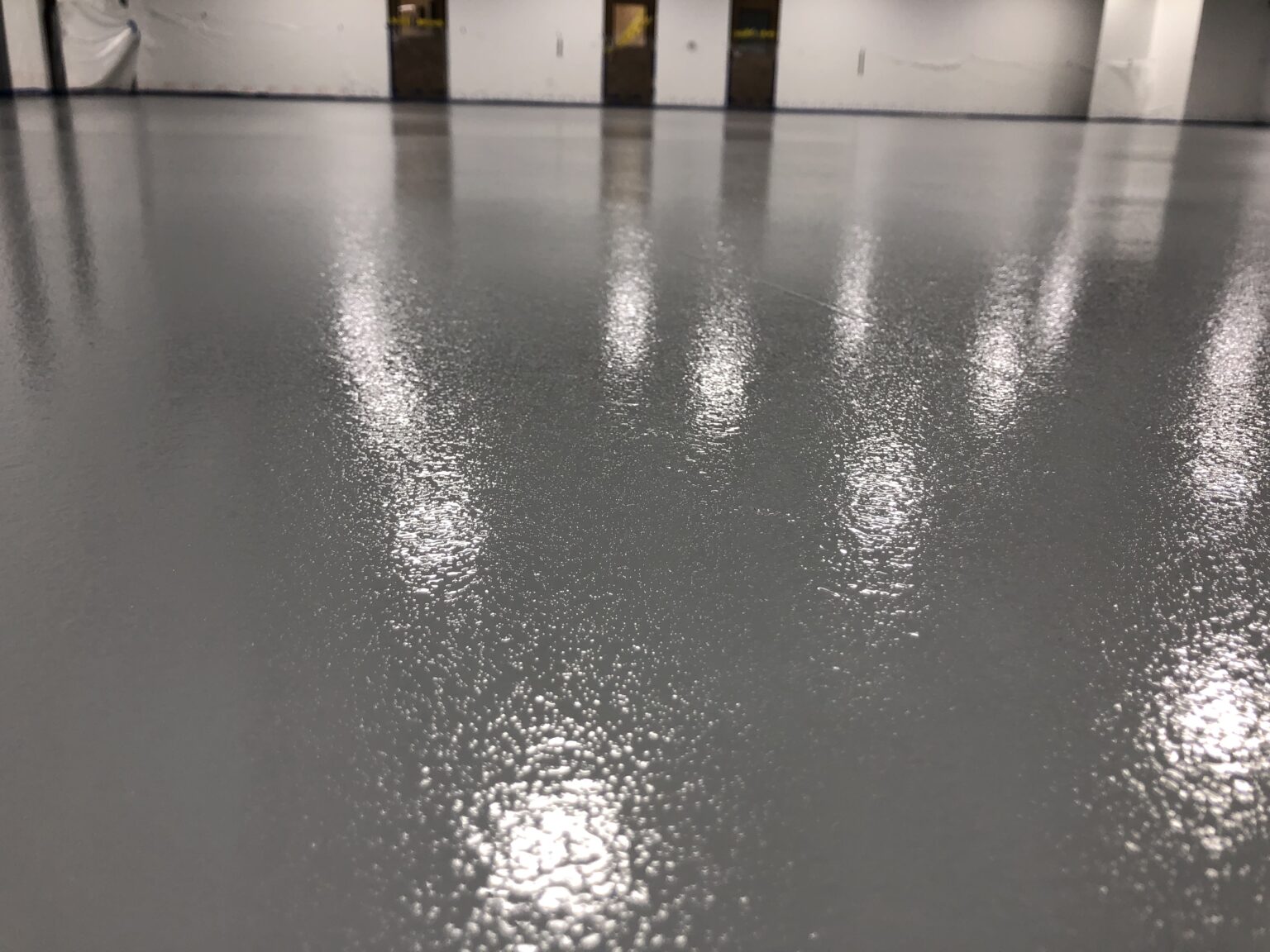
Flooring Built for the End of the Ordnance Lifecycle
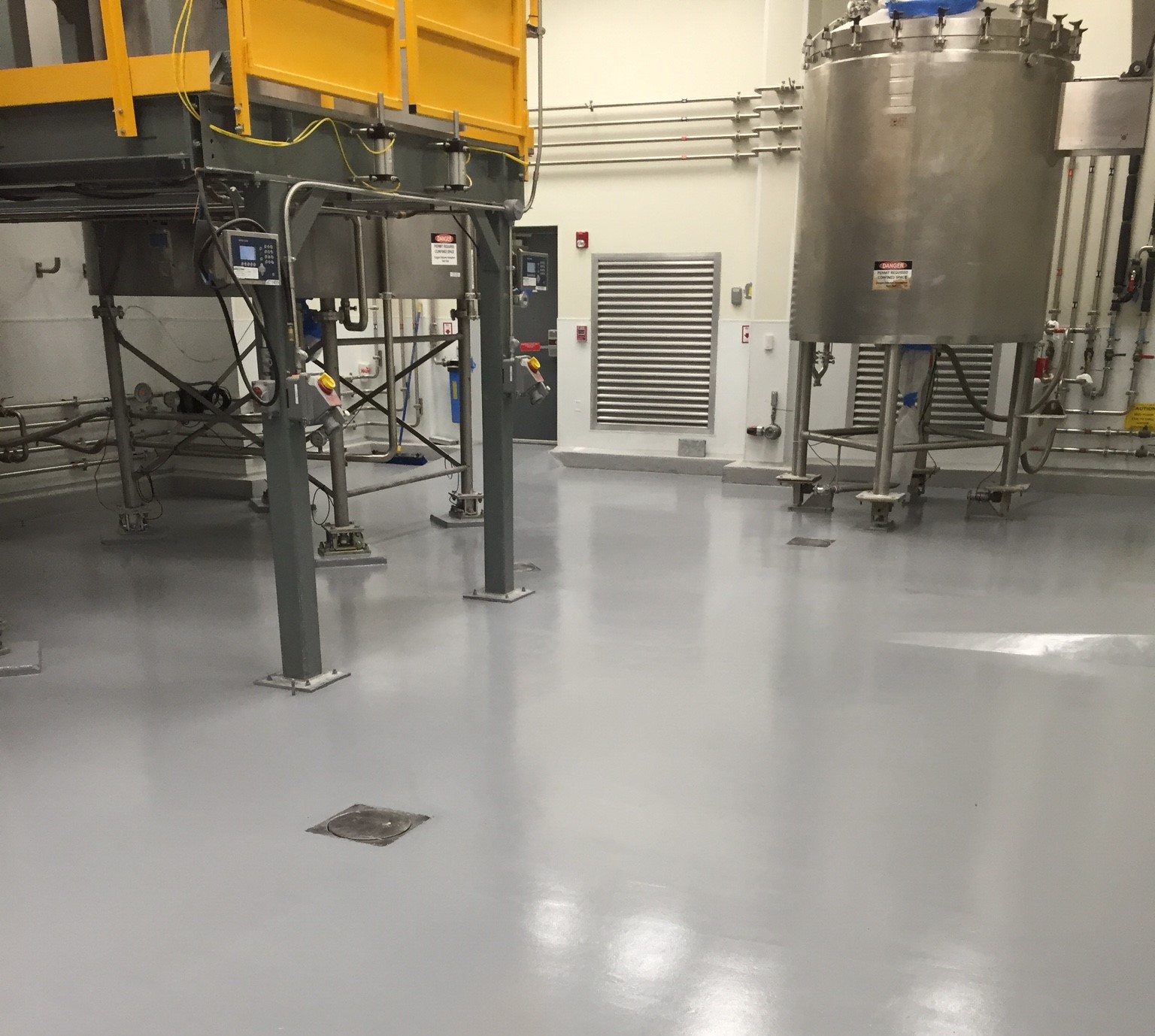
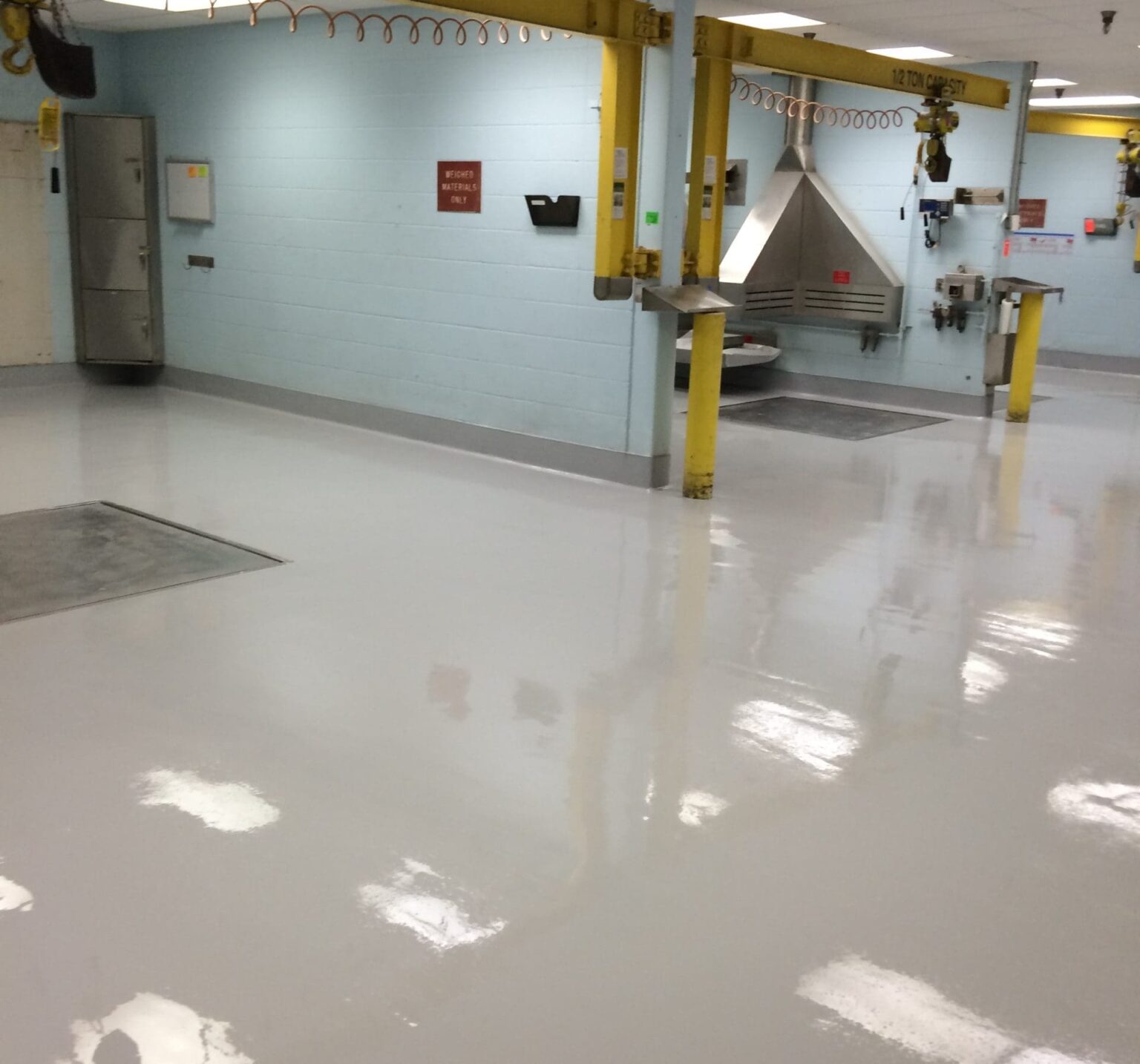
Demilitarization is where ordnance goes to be taken apart safely. Rounds are disassembled, propellants are washed out, energetic components are recovered or destroyed, and recyclable materials are reclaimed. EOD facilities and range clearance operations handle a different end of the problem — unexploded or damaged ordnance pulled from training ranges, impact areas, and legacy sites.
Both operations put a specific burden on the flooring: it has to be as conductive and spark-safe as any live-production floor, resistant to the solvents and decontamination chemistries used, and designed to be decontaminated between campaigns because the operation may handle different items week to week.
PumaCRETE® builds demil and EOD floors around the specific operation. The 301 Series urethane cement handles heavy washout and reclamation. The 200 Series handles EOD bay floors and smaller demil benches. 401-ECO handles operational retrofits. All meet DoD 4145.26-M and 6055.09-M conductive resistance requirements.
This page sits in the PumaCRETE DoD, Explosives pillar. Related: Munitions & AA&E, Energetics & Propellants, and Explosives Storage & Depots.
Standards & Compliance Framework
Demil and EOD operations answer to DoD, NFPA, OSHA, and environmental regulations — the latter especially where energetic materials are washed out or incinerated.
DoD 4145.26-M
Contractors’ Safety Manual. Primary regulation for private demil contractors.
DoD 6055.09-M
Ammunition and Explosives Safety Standards. Governs government-operated demil facilities, EOD operations, and range clearance.
RCRA 40 CFR Parts 260–279
Resource Conservation and Recovery Act. Environmental regulations for hazardous waste generated by demil washout and reclamation.
OSHA 29 CFR 1910.120
Hazardous Waste Operations (HAZWOPER). Worker-safety baseline for demil and reclamation operations handling hazardous waste.
DoDI 5160.68
Single Manager for Conventional Ammunition. Governs the DoD demilitarization management program and contractor requirements.
Technical Requirements Demil & EOD Flooring
Demil floors face a unique combination of requirements — conductivity for safety, chemical resistance to decontamination agents and solvents, and the physical durability to handle equipment used for disassembly and washout.
| Property | Requirement | Reference |
|---|---|---|
| Resistance to Ground | 25,000 ohms – 1.0 × 10⁶ ohms | DoD 4145.26-M, 6055.09-M |
| Point-to-Point Resistance | < 1.0 × 10⁶ ohms | ANSI/ESD STM7.1 |
| Spark Behavior | Non-sparking; no exposed ferrous aggregates | NFPA 495, DoD 4145.26-M |
| Chemical Resistance | Hot water, acidic/alkaline decon agents, solvents (acetone, MEK), residual propellant | Facility-specific |
| Decontamination Compatibility | Smooth, non-porous, washable; survives repeated decon cycles | Facility SOPs, HAZWOPER |
| Impact Resistance | Dropped components, disassembly tools, pallet handling | ASTM D2794 |
| Thermal Resistance | Hot washout water, autoclave transfer temperatures | ASTM C884 |
| Seamless Construction | Monolithic — no joints trapping energetic residue | Facility best practice |
Decon-cycle survival:
A demil floor sees chemistries that would strip most industrial coatings — hot alkaline washout, solvent-based cleaning, residual propellant exposure. PumaCRETE urethane cement systems are formulated to survive repeated decon cycles without resistance drift.
The PumaCRETE® System Families
Two product families cover the full DoD and explosives pillar. Each sub-industry page specifies the system most often used for that application; the three families below are the common foundation.

PumaCRETE 200-PumaESD-c
THICKNESS: 13-45 mils enhanced durability for impact and frequent motorized lift traffic, or restoration of damaged concrete surfaces)
Mid-build conductive epoxy coating. Primer rooms, igniter assembly, pyrotechnic mixing, lighter-duty cartridge production.
Target Resistance
25,000 ohms – 1.0 × 10⁶ ohms
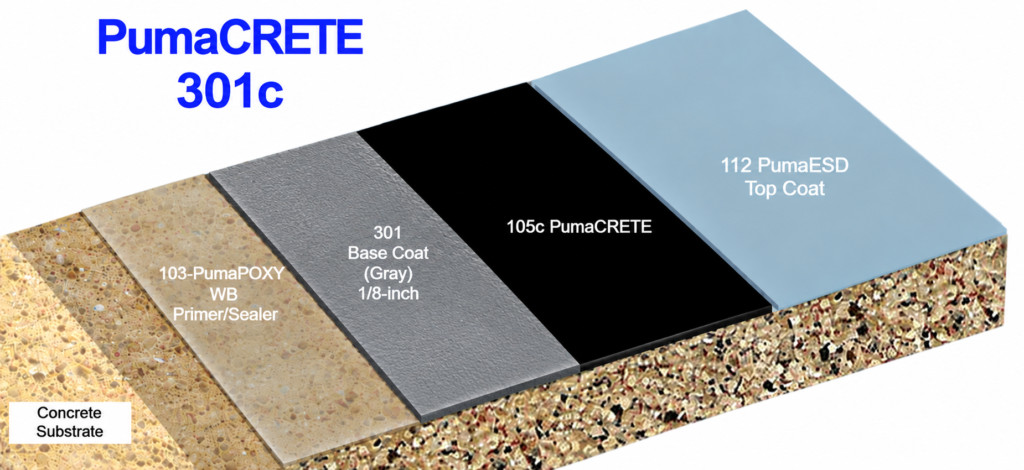
PumaCRETE 301-PumaESD-c
THICKNESS: 1/8 inch (enhance durability for impact and frequent motorized lift traffic, or restoration of damaged concrete surfaces)
Heavy-duty 1/4″ conductive urethane cement topping. Rocket motor casting, LAP lines, artillery production, DoD magazines, mine stores.
RESURFACER ADVANTAGES
Enhanced durability for impact and frequent motorized lift traffic, or restoration of damaged concrete surfaces.
Custom resistance tuning:
For Class 0 initiator work and the most sensitivity-critical operations, PumaCRETE can tune systems as low as 400,000 ohms with charge-generation under 20 volts. Contact our engineering team for a facility-specific recommendation.
Demil & EOD Sub-Industries We Serve
The demil-and-EOD branch covers two distinct operational types. Each has its own dedicated page.
Demil & Reclamation Lines
Disassembly and washout operations — rounds, warheads, rocket motors, and bulk propellant stocks taken apart for recovery of components, metals, and energetic materials. The highest-chemistry-load end of the pillar.
EOD & Range Clearance
Explosive Ordnance Disposal receiving, inspection, and preparation bays; range clearance sorting and staging; UXO (unexploded ordnance) handling facilities. Covered under DoD 6055.09-M and specialized EOD technical publications.
Why Demil Floors Need a Different Spec
Live-production floors see one chemistry — the material being made. Demil floors see every chemistry that ever went into the item being taken apart, plus the decon agents used to clean it off. The specification has to anticipate decades of mission variability.
Live Production
One well-understood chemistry. One cleaning protocol. Floor can be tuned to that chemistry.
Demil & Reclamation
Multiple chemistries across the item's original production. Repeated decon cycles between campaigns. Floor must survive the whole envelope.
Installation, Grounding & Field Testing
Demil and EOD installations have two application-specific considerations beyond the standard PumaCRETE process.
1
Decontamination of Existing Substrate
Facilities retrofitting an existing demil space must complete substrate decontamination before coating. PumaCRETE coordinates with the facility's safety and environmental officers on decon protocols — residual energetic material in a crack is both a safety issue and an EPA problem.
2
Spill Containment Integration
Washout and reclamation lines typically have EPA RCRA requirements for spill containment. PumaCRETE coordinates the conductive flooring with the containment system — curbs, bermed areas, trench drains — so the two systems work together rather than compromising each other.
3
Grounding Network
Conductive grounding strips are embedded at columns or designated ground points every 1,500 square feet. For EOD receiving bays, we often specify a tighter grid.
4
Documentation
Full ANSI/ESD STM7.1 test reports with resistance mapping. Where required, documentation ties into the facility's RCRA, HAZWOPER, and DoD inspection records.
Frequently Asked Questions
Demilitarization & EOD Flooring FAQ's
Demilitarization — demil — is the process of safely taking apart military ordnance, propellant stocks, or munitions components that have been declared obsolete, excess, or unserviceable. Operations include disassembly, propellant washout, energetic material recovery, metals reclamation, and controlled destruction of residual components.
EOD stands for Explosive Ordnance Disposal — military and civilian specialists trained to render safe or destroy unexploded ordnance, improvised explosive devices, and dangerous munitions. EOD facilities include receiving and inspection bays, sorting and staging areas, and controlled-detonation preparation spaces.
Yes. All PumaCRETE conductive systems meet the resistance-to-ground, non-sparking, and seamless-finish requirements specified under DoD 6055.09-M for government-operated demil, EOD, and range clearance facilities.
Yes. The 301 Series conductive urethane cement is formulated to resist hot water, alkaline decontamination agents, acidic cleaning chemistries, and the residual propellant and solvent exposure typical of washout operations. Thermal shock resistance per ASTM C884 is a design feature.
Yes. Most washout and reclamation lines are subject to EPA RCRA spill-containment requirements. PumaCRETE coordinates the conductive flooring with the containment system — curbs, bermed areas, trench drains — so the two systems reinforce each other.
Yes, sectionally. The 401-ECO low-odor, fast-cure system allows installation in one bay or line at a time with 12-hour return-to-service. Facilities phase the retrofit around the active mission queue.
Yes. EOD facilities are a core customer segment. The 200 Series coating is standard for EOD bays and inspection areas; the 301 Series is used where sustained heavy traffic or washout exposure requires it.
At least annually, and after any floor repair, decon campaign that affects a significant floor area, or facility modification. PumaCRETE testing crews can return for scheduled recertification tied to the facility's RCRA inspection cycle.
EXPERIENCE AND EXPERTISE
Specify PumaCRETE for Your Demil or EOD Facility
Demil washout line, reclamation operation, EOD receiving bay, or range clearance staging — PumaCRETE engineers the floor to the resistance, chemistry, and documentation requirements the mission actually demands.
