
Meat & Poultry · Hatcheries
Poultry Hatchery Floors Built for Biosecurity
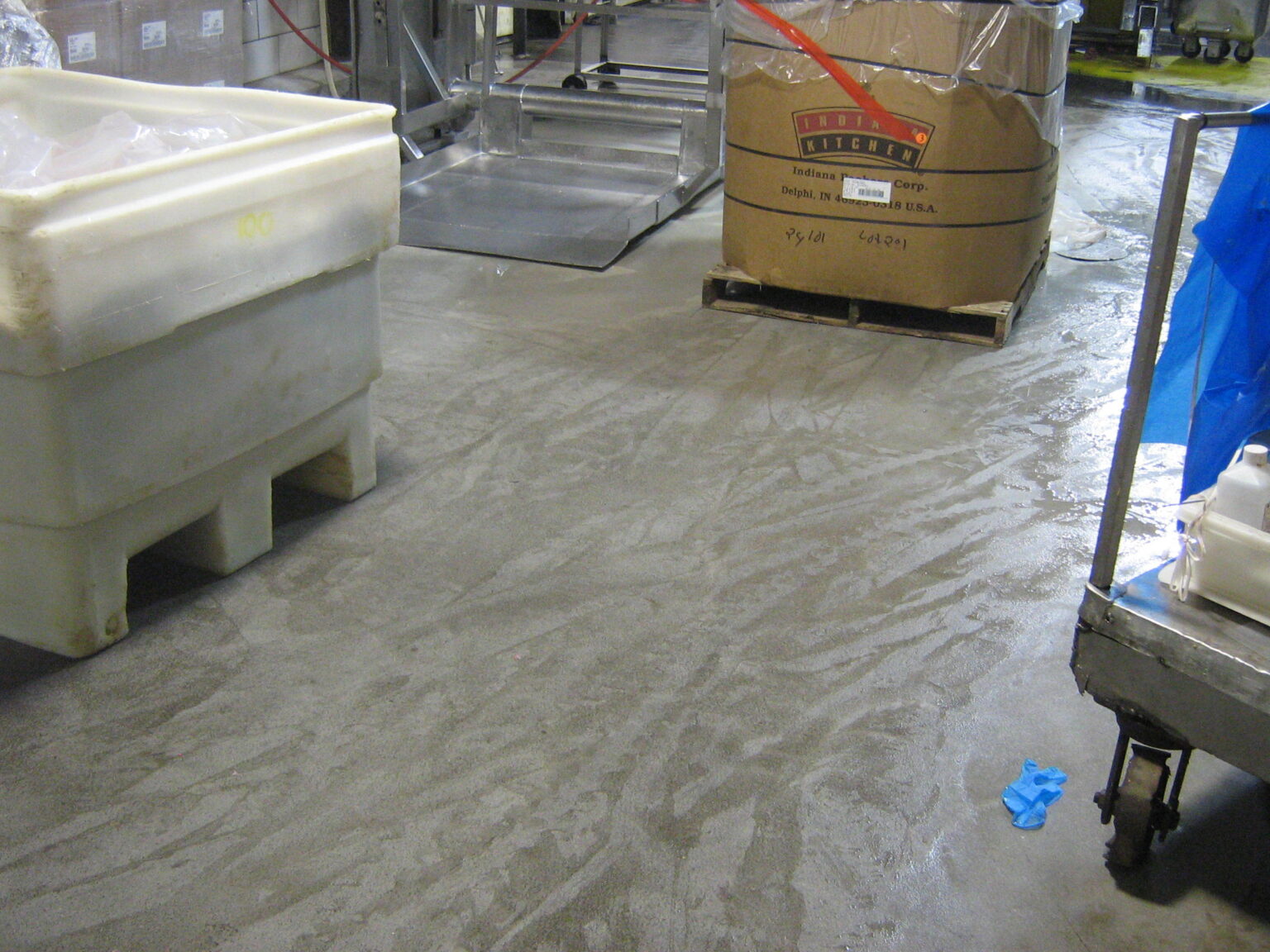
A hatchery floor never gets a break: warm, humid setter and hatcher rooms, disinfectant cycles between every hatch, tray and basket washers running hot, and chick-processing rooms full of down, shell and wash water. Cracked concrete and failing epoxy give pathogens a place to survive cleaning. PumaCRETE urethane concrete flooring goes down seamless, coves up the wall, and gives your sanitation crew one continuous, non-porous surface to clean and disinfect.
Seamless
No joints or grout lines
25 lbs
Vapor pressure tolerance
4–6 in
Integral cove base
5-yr
Written warranty
GET A FREE QUOTE

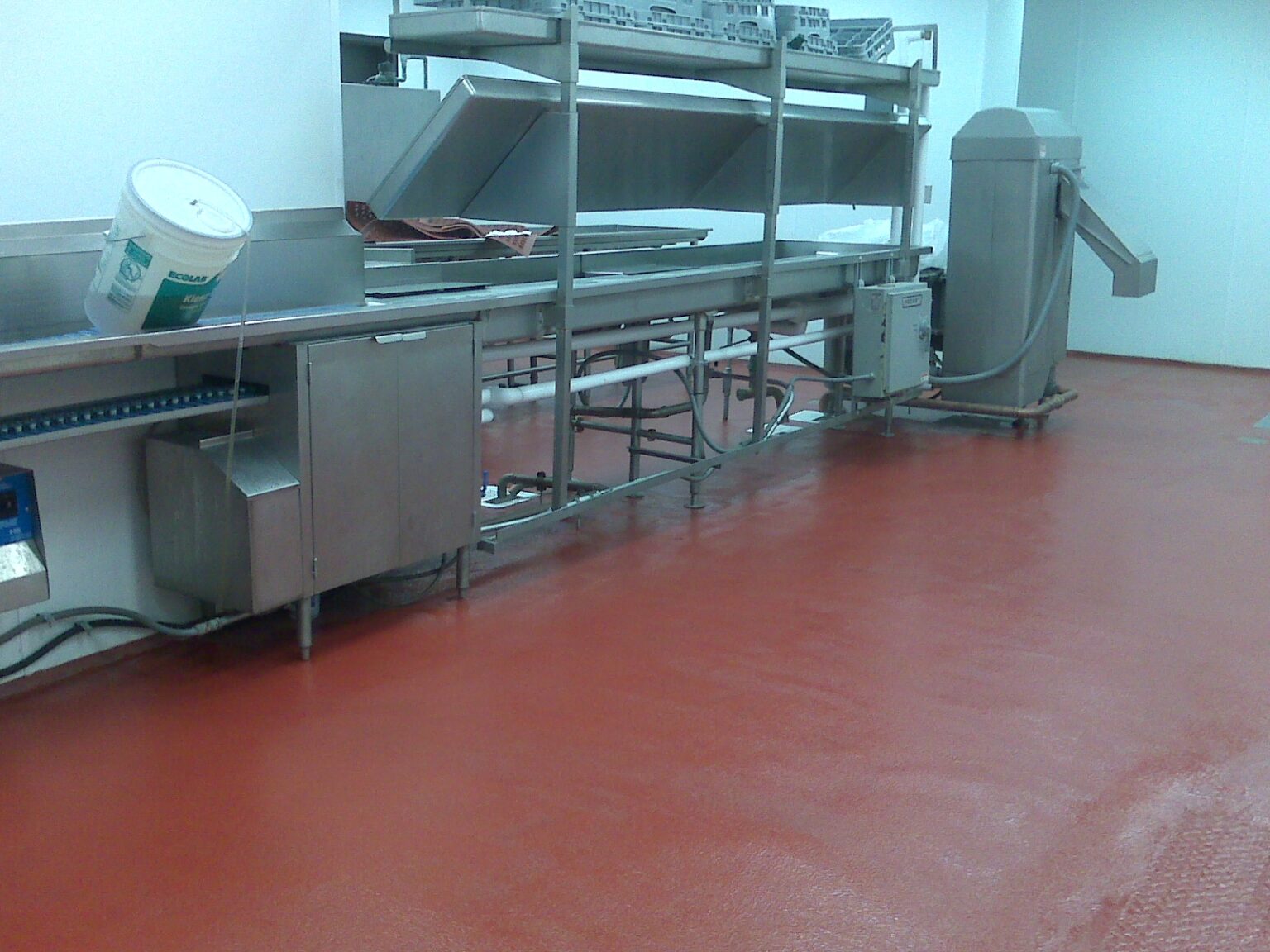
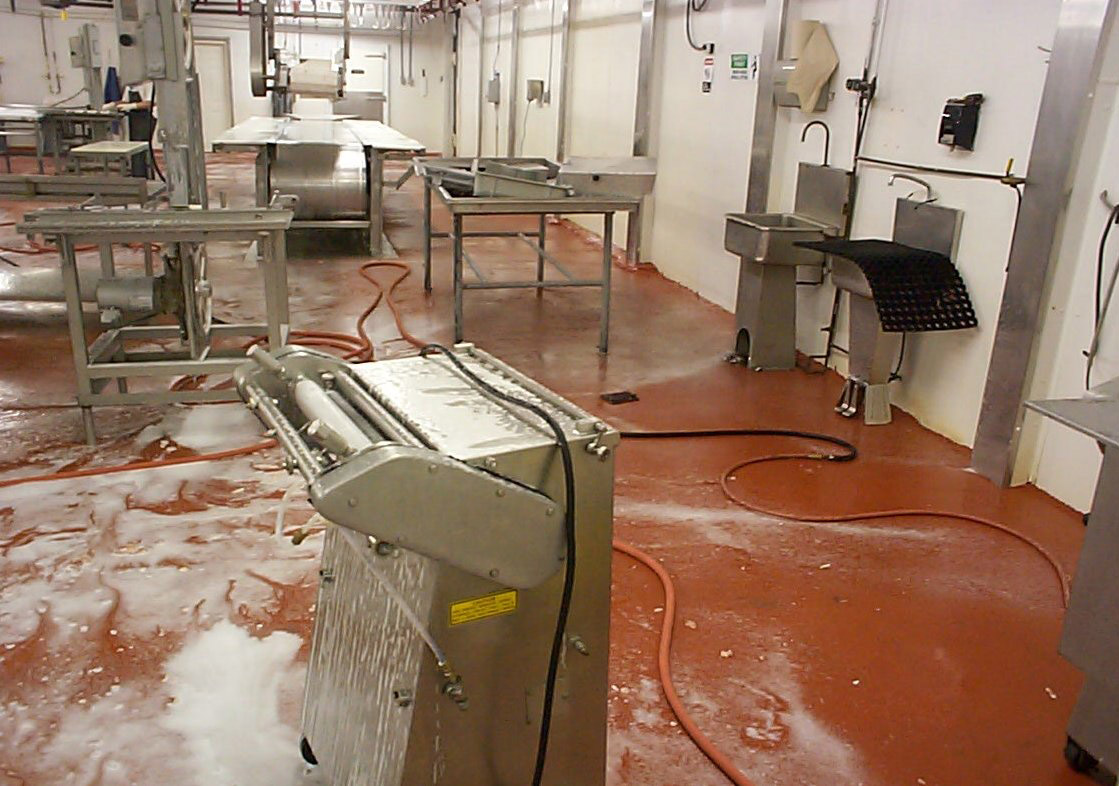
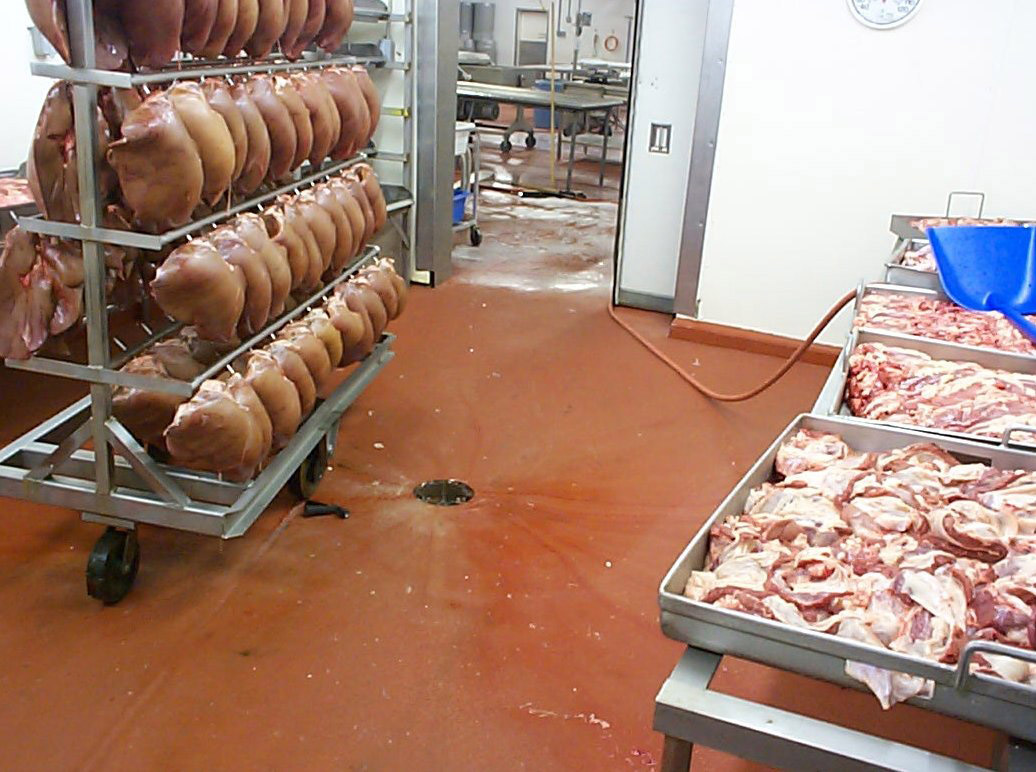
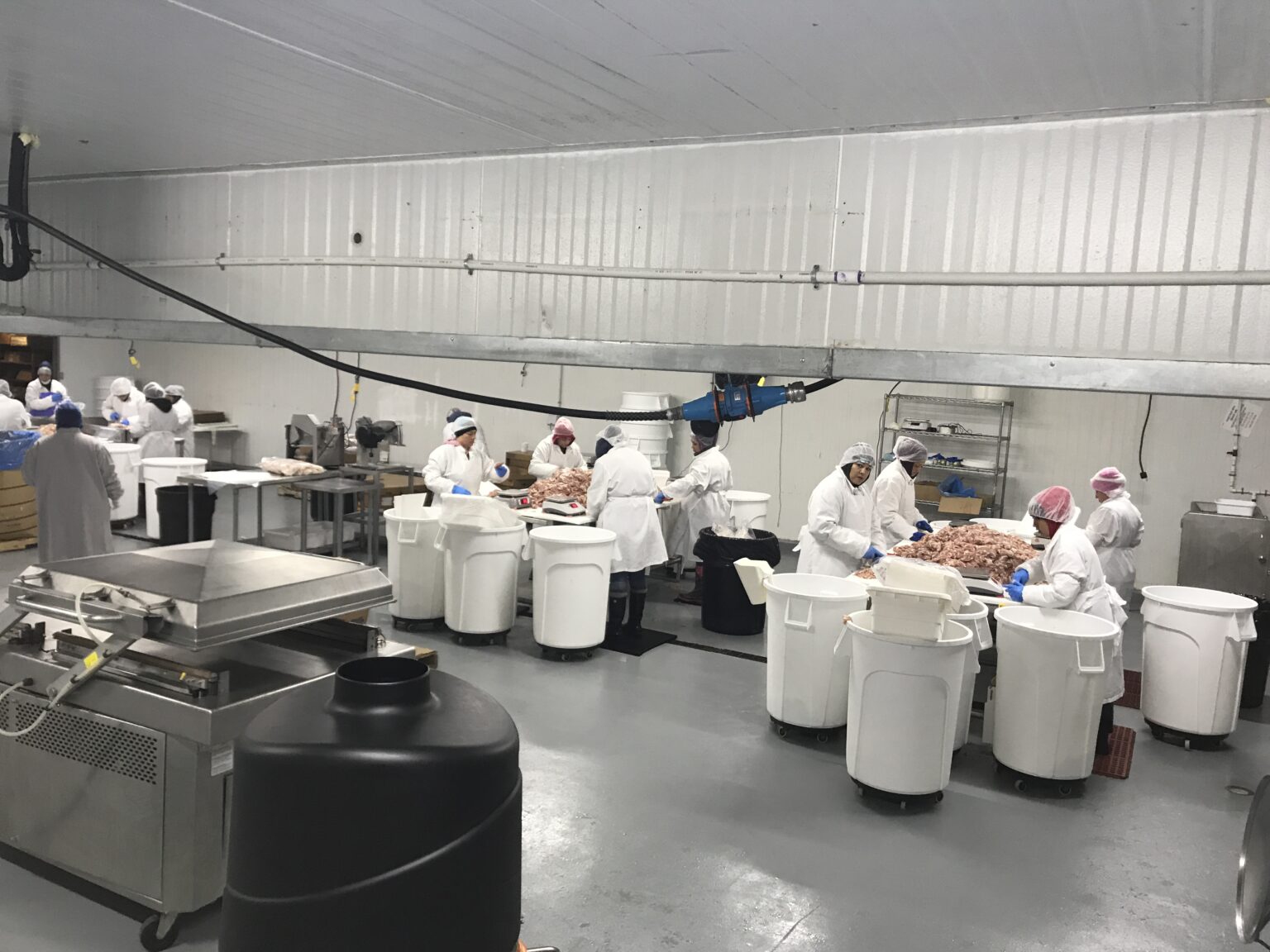
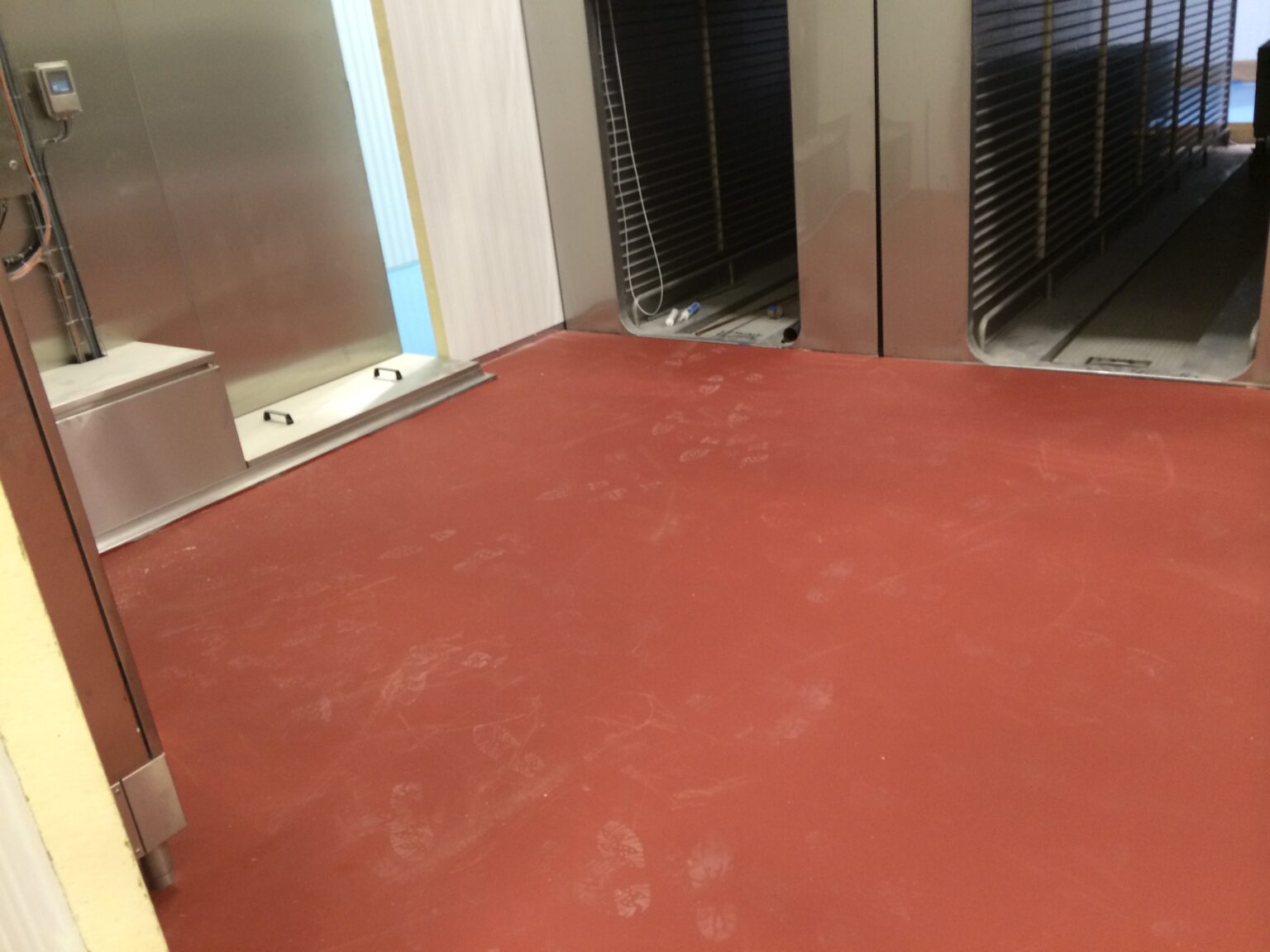
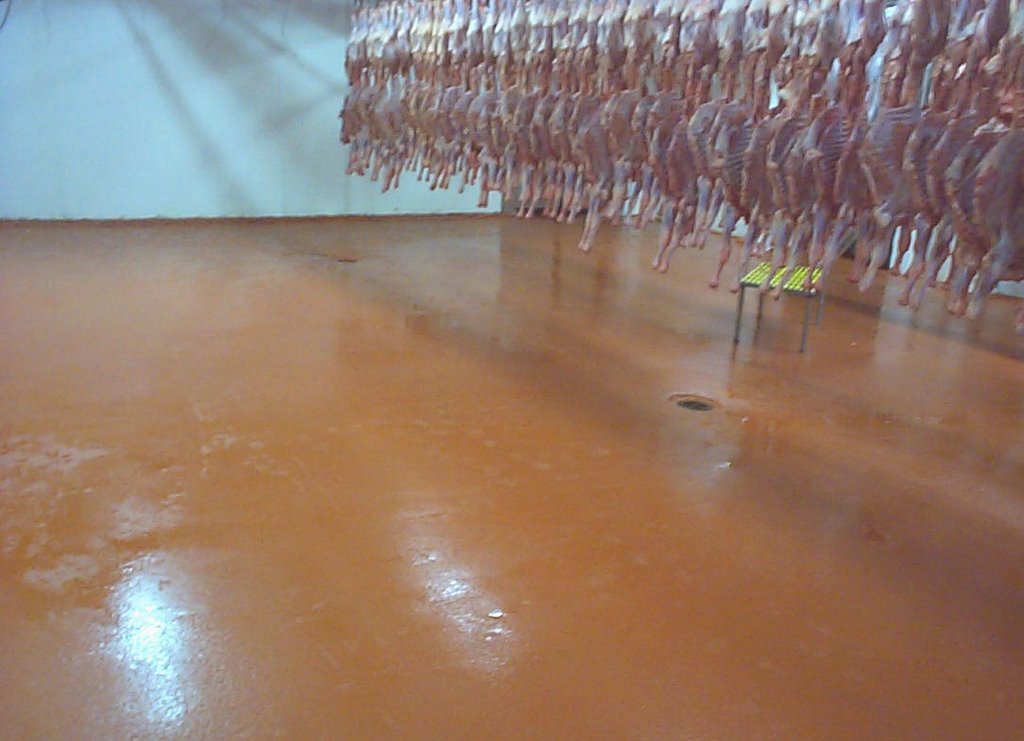
What a hatchery does to a floor
Each area of a meat or poultry plant gets its own thickness, texture and detailing. Choose your area for zone-by-zone recommendations.
Constant humidity and condensation
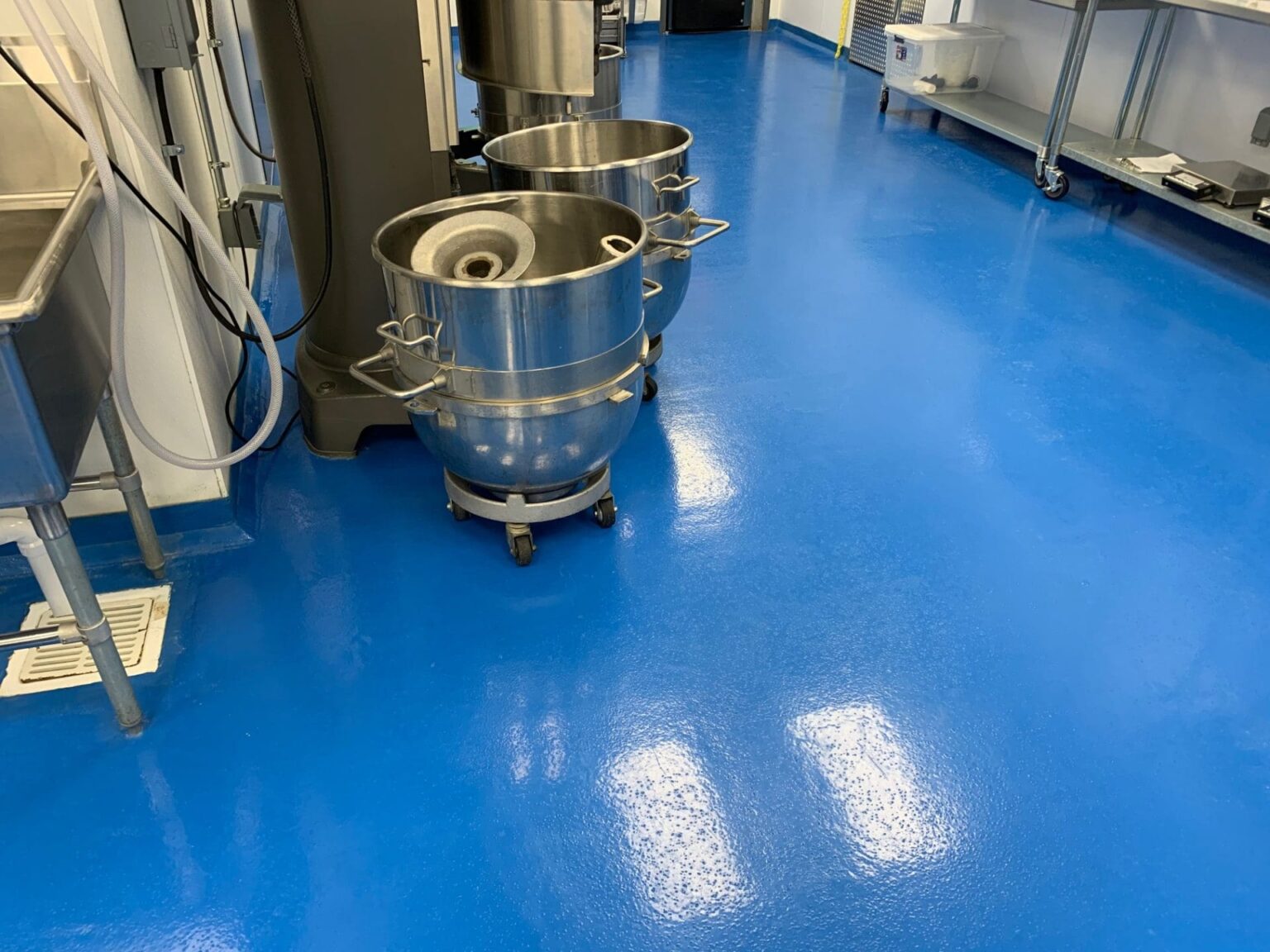
Setter and hatcher rooms run warm and humid around the clock. Moisture-sensitive coatings blister and lift. PumaCRETE bonds to damp concrete and tolerates up to 25 lbs of vapor pressure through the slab.
Disinfectant and fumigation cycles
Quats, chlorine, hydrogen peroxide and phenolic products go down between every hatch. Repeated exposure softens and stains epoxy; urethane concrete is built for daily sanitizer contact.
Hot tray and basket washers
Washer rooms see hot water, steam and detergent on a floor that is never dry. PumaCRETE handles the thermal shock and keeps its slip-resistant texture as it wears.
Chick-processing debris
Down, shell fragments and meconium collect at walls, drains and equipment legs. Integral cove base and slope-to-drain installation remove the corners where debris and bacteria build up.
Racks, carts and dollies
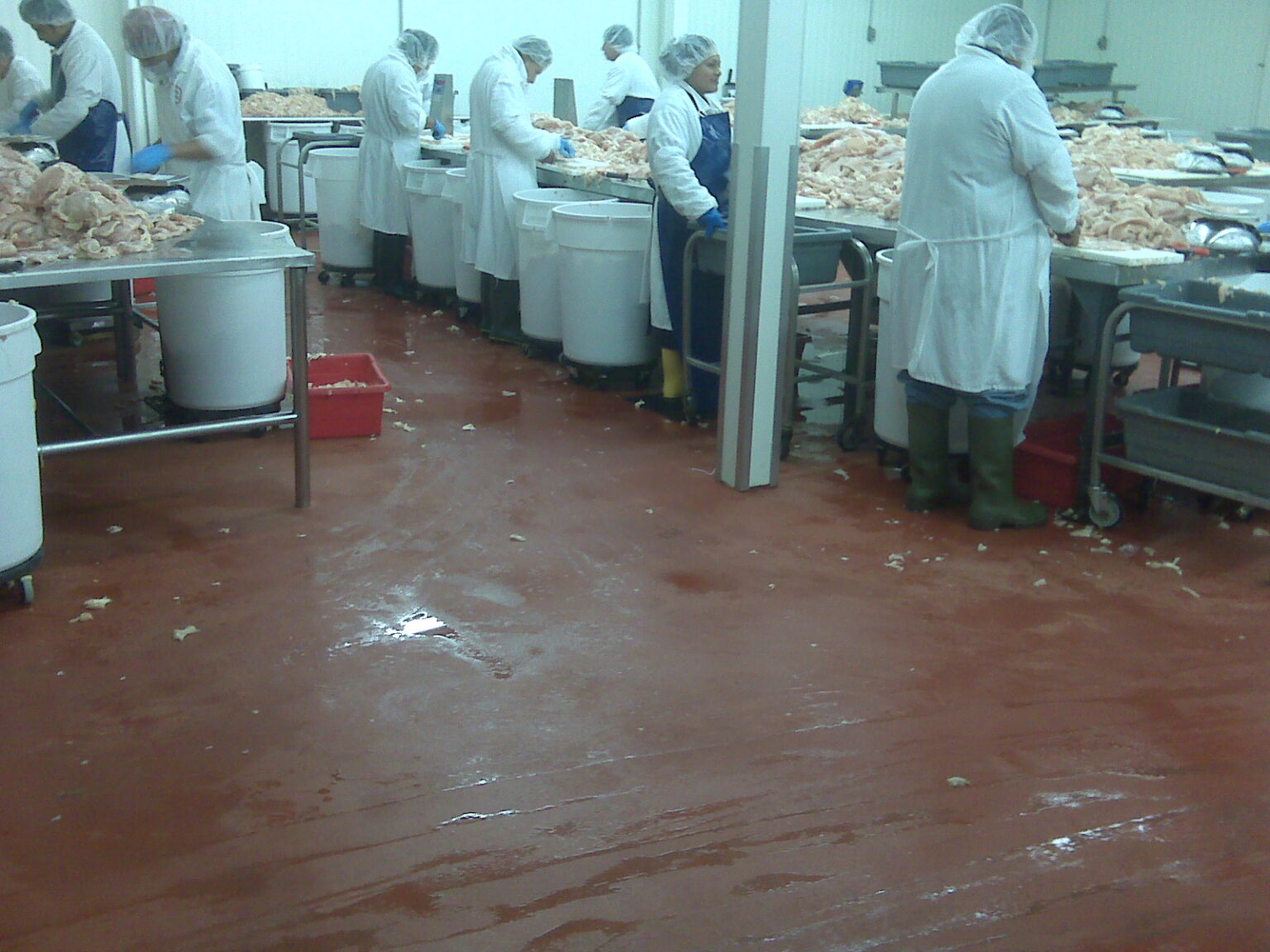
Loaded setter racks and chick carts roll the same routes every day. The 1/4-inch troweled system resists the wear and impact that grind thin coatings away.
Biosecurity audits
Integrator and customer audits look for surfaces that can be fully cleaned and disinfected. A sealed, non-porous floor makes that a routine result instead of a constant repair job.
Recommended system by zone
One urethane concrete system, configured for the room you’re standing in. Thickness, texture and cove are set zone by zone. Add 1/8 in for integral cove.
| Zone | Recommended system | Key exposures |
|---|---|---|
| Egg receiving and egg cooler | 401-HF, 1/4 in | Condensation, egg breakage, pallet jacks |
| Setter rooms | 401-HF, 1/4 in + cove | Warm, humid air; rack wheels; disinfectants |
| Hatcher rooms | 401-HF, 1/4 in + cove, antimicrobial option | High humidity, down and debris, washdown after every hatch |
| Chick processing and holding | 401-HF, 1/4 in, slip-grade | Wet floors, debris, foot traffic, sanitizers |
| Tray, basket and rack wash | 401-HF, 3/8 in (thermal), slip-grade | Hot water, steam, detergents, constant wet |
| Chick dispatch and loading | 401-HF, 1/4 in | Cart and dolly traffic, door thresholds, outside debris |
Installing around your hatch schedule
Each area of a meat or poultry plant gets its own thickness, texture and detailing. Choose your area for zone-by-zone recommendations.
Work between hatches
Rooms are prepped, troweled and returned to service in phases, so a bank of setters or hatchers can come down while the rest of the hatchery keeps running.
Dust stays out of incubation
Diamond grinding or shot blasting with HEPA extraction keeps prep dust out of neighboring setter and hatcher rooms.
Fast return to service
Foot traffic at 6 hours, carts at 12 hours, and full washdown about 24 hours after the final coat (at 70°F).
Supports your biosecurity program
- Seamless, non-porous surface that can be fully cleaned and disinfected, with no grout or joints to harbor pathogens
- Fits the biosecurity practices hatcheries follow under the National Poultry Improvement Plan (NPIP)
- Integral cove base eliminates the floor-wall crack where down and debris collect
- Optional antimicrobial additive for hatcher and chick-processing rooms
- Slip-resistant texture tuned for wet floors (OSHA walking-working surfaces)
Performance data
| Property | PumaCRETE 401-HF |
|---|---|
| Compressive strength | 9,500 psi (ASTM C579) |
| Tensile strength | 1,450 psi (ASTM C307) |
| Flexural strength | 3,200 psi (ASTM C580) |
| Bond to concrete | Exceeds substrate (ASTM D7234) |
| Abrasion resistance | 0.06 g loss (ASTM C501) |
| Impact resistance | >160 in-lb (ASTM D2794) |
| Service temperature | -40°F to 248°F |
| Thermal shock | Pass, boiling-to-ambient cycles |
| Wet coefficient of friction | 0.6–0.9 (tunable) |
| Vapor pressure tolerance | Up to 25 lbs through the slab |
| Minimum install temperature | 35°F (operating coolers) |
| Standard thickness | 1/4 in (3/8 in in thermal zones) |
Standard 1/4-inch PumaCRETE 401-HF system. Full test data is on the technical data sheets.
Three ways to buy, direct from the manufacturer
Every system on this page is made by PumaCRETE and sold direct, with no distributor markup.
Buy the materials
Urethane concrete, primers, topcoats and cove kits shipped direct from the manufacturer to your plant. No distributor markup.
Buy it installed
Turnkey installation by factory-trained crews, with material and workmanship warranties from a single source.
Train your own crew
A factory-employed PumaCRETE trainer certifies your maintenance team or local contractor on your slab: prep, mixing, troweling, cove and testing.
Frequently Asked Questions
Poultry Hatcheries FAQ's
No. Hatcheries handle live birds and fall outside FSIS meat and poultry inspection. Most follow biosecurity practices under the National Poultry Improvement Plan (NPIP) and their integrator's or customers' standards. The floor still has to clean and disinfect completely between hatches, which is why seamless urethane concrete is the usual choice.
PumaCRETE is formulated for daily contact with sanitizers, including quaternary ammonium, chlorine, hydrogen peroxide and acid or alkaline cleaners. Send us your chemical list and we will confirm exposure ratings for your products before you buy.
Yes. We phase the work room by room around your hatch schedule, contain dust at the source, and return each room to washdown service about 24 hours after the final coat.
Usually only in tray and basket wash rooms, where hot water and steam hit the floor all day. Setter, hatcher and chick-processing rooms use the standard 1/4-inch system.
EXPERIENCE AND EXPERTISE
Ready to spec your hatchery floor?
Get a no-obligation site assessment. We review your rooms, chemistry, temperatures and production calendar, then deliver a written specification and budget within five business days.
