Dairy, Seafood & Cold Chain · Egg Processing
Egg Processing Floors for Grading, Breaking & Egg Products
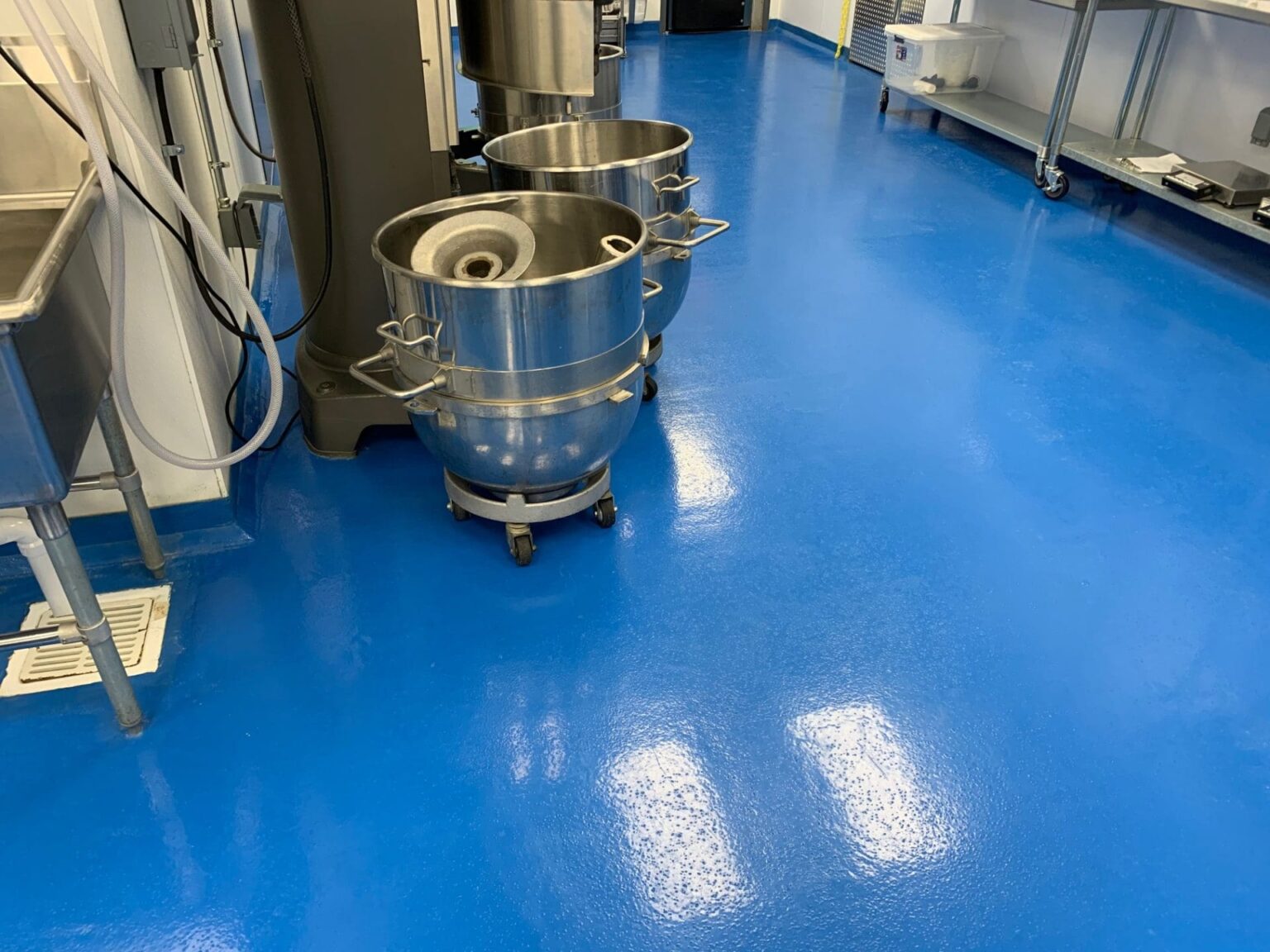
Egg plants are wet, warm in the washers and cold everywhere else. Broken shells and egg residue coat the floor, egg washers run hot water and chlorine all shift, and breaking rooms produce protein-rich waste that bacteria love. PumaCRETE urethane concrete flooring seals the slab, takes the washer chemistry and temperature swings, and coves up the walls so residue has nowhere to collect.
Seamless
No joints for egg residue
35°F
Cures in egg coolers
0.6–0.9
Wet coefficient of friction
5-yr
Written warranty
GET A FREE QUOTE

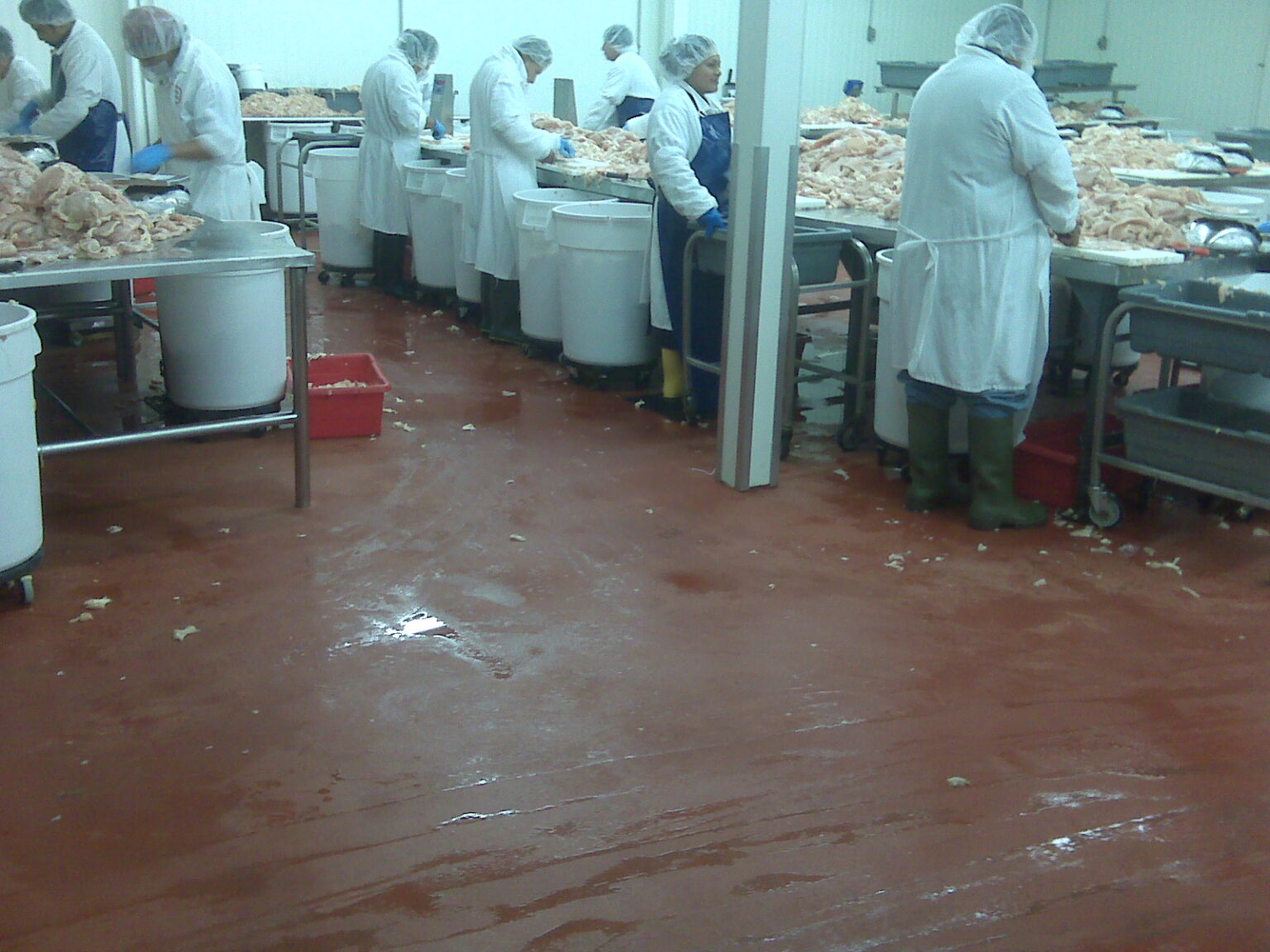
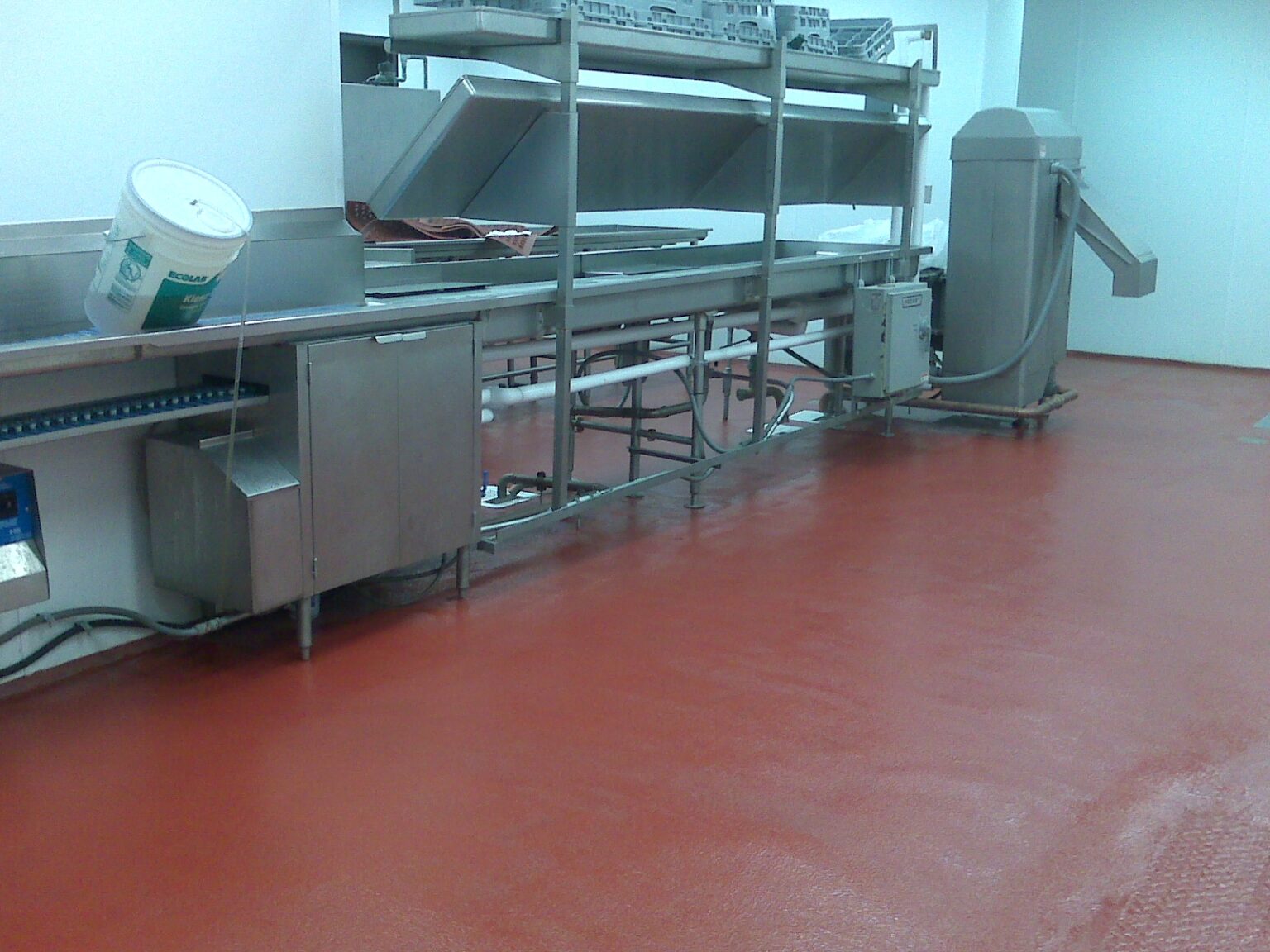
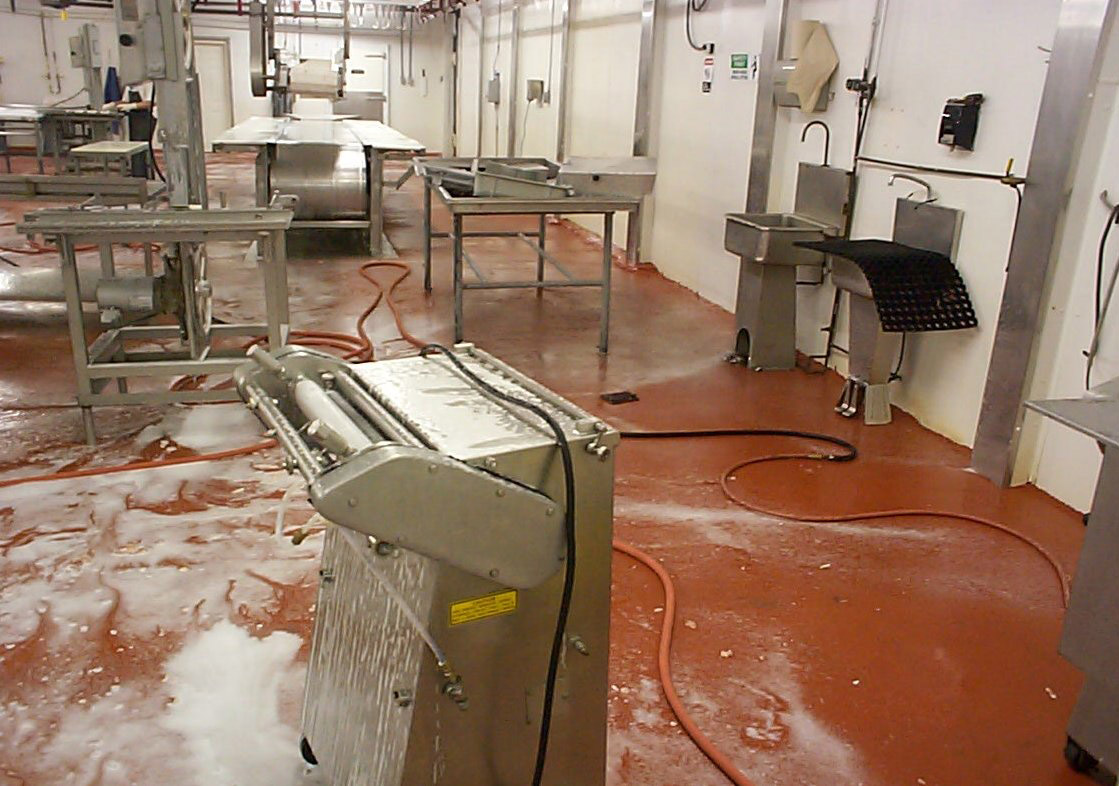
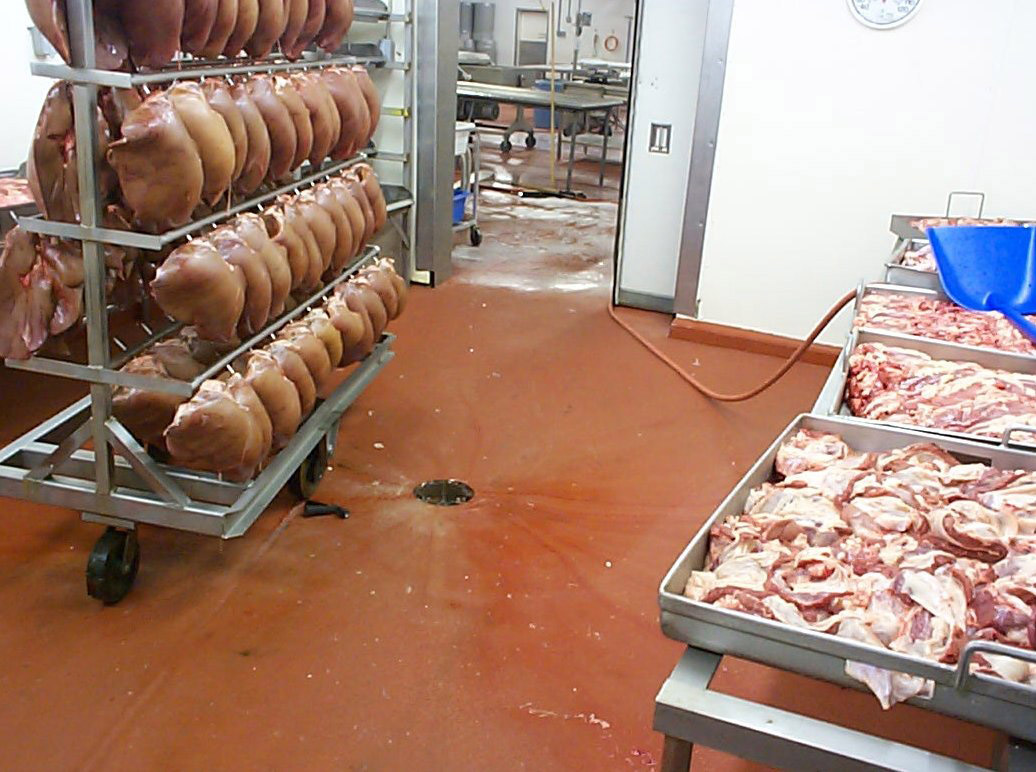
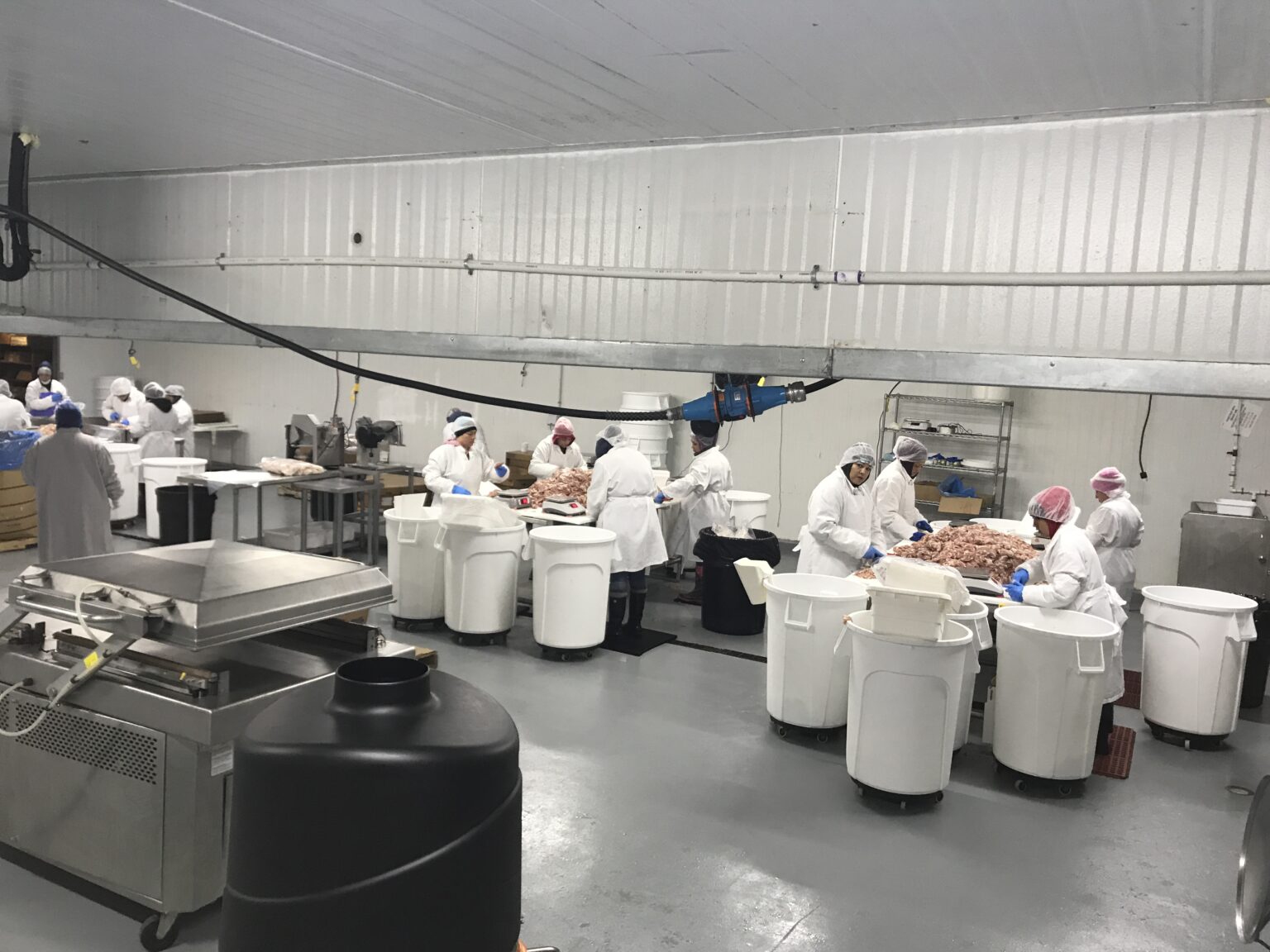
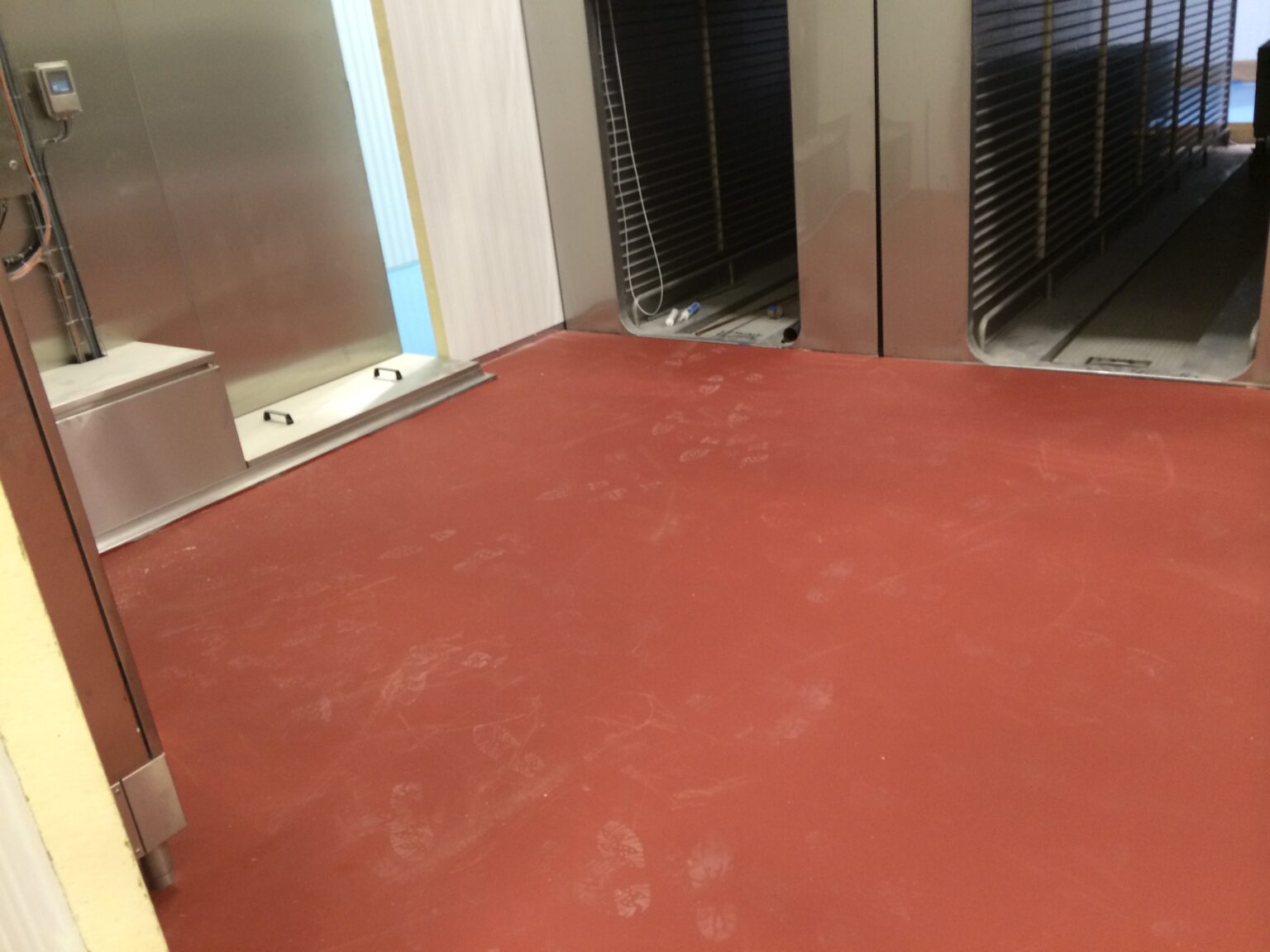
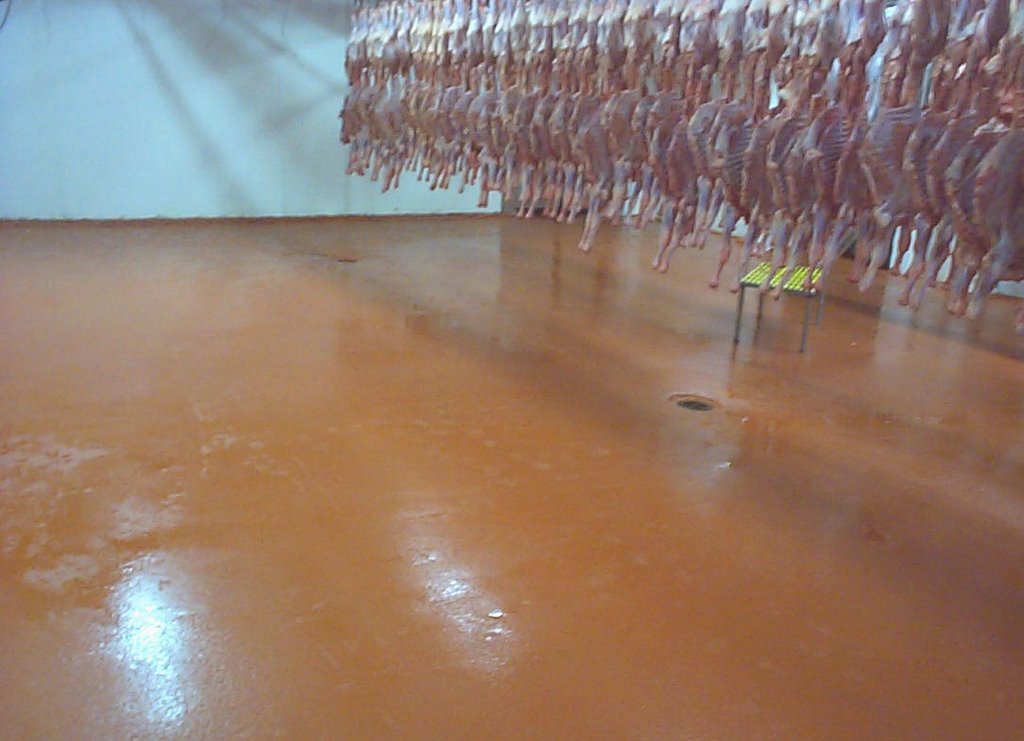
What egg processing does to a floor
Egg residue and broken shell
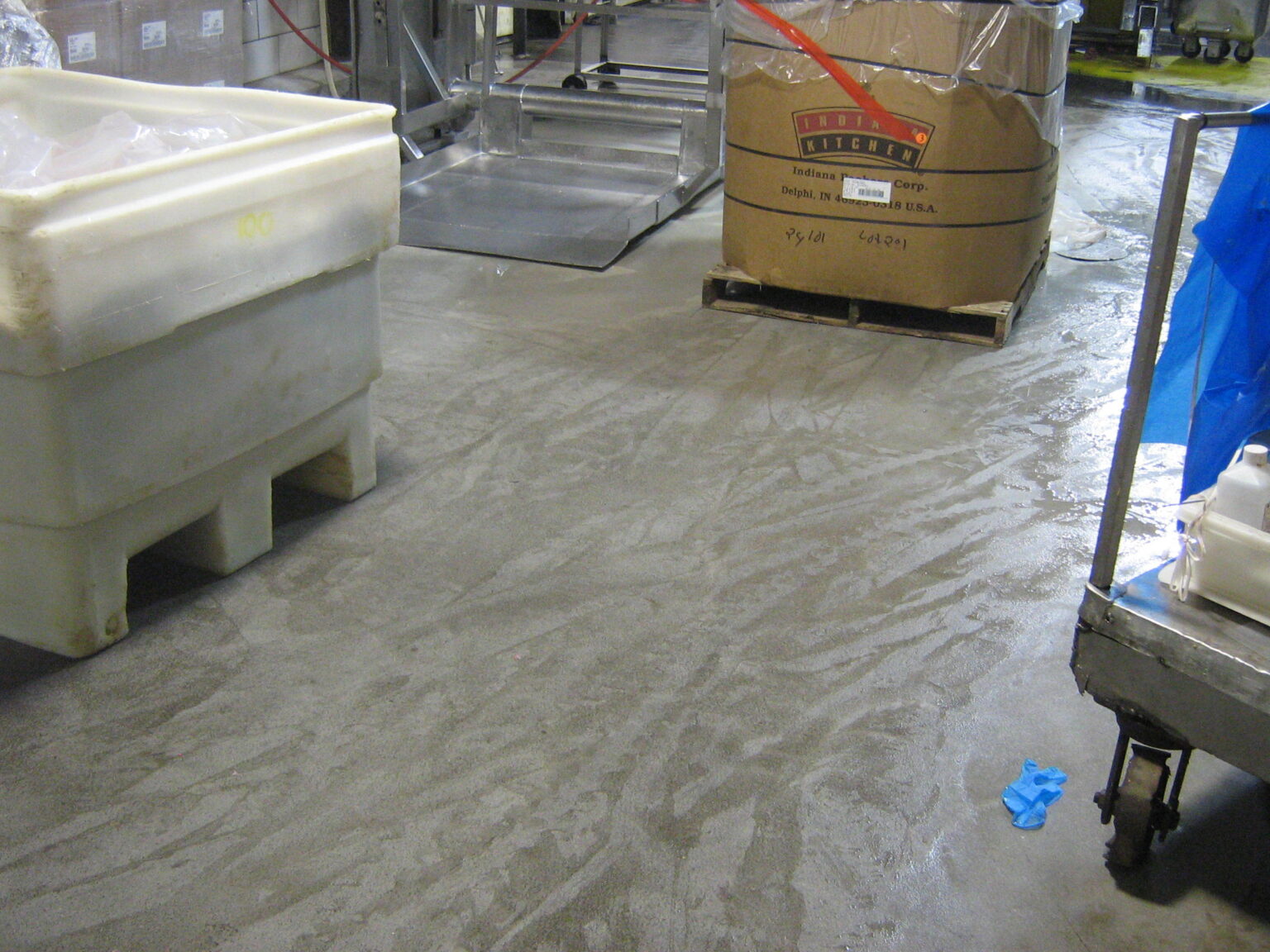
Egg protein dries hard on the floor and feeds bacteria in any crack or joint. A seamless, sealed surface lets residue wash away instead of building up.
Hot washer water and chlorine
Shell egg washers run warm water with chlorine and detergents onto the floor all shift. PumaCRETE is built for daily sanitizer exposure and thermal shock.
Slick floors
Egg on a wet floor is one of the slipperiest surfaces in food processing. Slip-grade aggregate keeps the wet coefficient of friction in the 0.6–0.9 range.
Cold storage next to warm washers
Egg coolers sit right beside washing and grading. The system handles the temperature swing and cures in coolers down to 35°F.
Pallet and rack traffic
Loaded pallets of cased eggs and racks of flats move by pallet jack and forklift. The 9,500 psi system resists wheel wear and impact.
Pasteurizer and dryer heat
Liquid egg pasteurizers and spray dryers bring heat and steam to the floor. Thermal zones get the 3/8-inch system.
Recommended system by zone
One urethane concrete system, configured for the room you’re standing in. Thickness, texture and cove are set zone by zone. Add 1/8 in for integral cove.
| Zone | Recommended system | Key exposures |
|---|---|---|
| Egg receiving and cooler | 401-HF, 1/4 in (cold cure) | Condensation, pallet traffic, breakage |
| Washing and grading | 401-HF, 1/4 in + cove, slip-grade | Warm water, chlorine, egg residue |
| Packing and casing | 401-HF, 1/4 in | Cart and pallet traffic, light wet |
| Breaking room | 401-HF, 1/4 in + cove, slip-grade | Egg residue, shell, frequent sanitation |
| Pasteurization and drying | 401-HF, 3/8 in (thermal) + cove | Heat, steam, CIP chemistry |
| Shell and inedible waste | 401-HF, 1/4 in + cove | Organic waste, washdown |
Installing around the egg flow
Phased by line
Grading lines and breaking rooms are done in sections so eggs keep moving through the plant.
Coolers without a long warm-up
PumaCRETE cures at 35°F, so egg coolers can be installed with product moved aside rather than out.
Coved under the washers
The topping is coved up washer and grader stands so egg residue can’t collect at the base.
USDA and FDA egg rules
- Egg products plants: supports sanitation requirements under USDA-FSIS 9 CFR Part 590
- Shell egg operations: supports Salmonella prevention under FDA 21 CFR Part 118
- Seamless, coved surface for USDA grading and inspection
- OSHA-compliant slip resistance (wet coefficient of friction 0.6–0.9)
Performance data
| Property | PumaCRETE 401-HF |
|---|---|
| Compressive strength | 9,500 psi (ASTM C579) |
| Tensile strength | 1,450 psi (ASTM C307) |
| Flexural strength | 3,200 psi (ASTM C580) |
| Bond to concrete | Exceeds substrate (ASTM D7234) |
| Abrasion resistance | 0.06 g loss (ASTM C501) |
| Impact resistance | >160 in-lb (ASTM D2794) |
| Service temperature | -40°F to 248°F |
| Thermal shock | Pass, boiling-to-ambient cycles |
| Wet coefficient of friction | 0.6–0.9 (tunable) |
| Vapor pressure tolerance | Up to 25 lbs through the slab |
| Minimum install temperature | 35°F (operating coolers) |
| Standard thickness | 1/4 in (3/8 in in thermal zones) |
Standard 1/4-inch PumaCRETE 401-HF system. Full test data is on the technical data sheets.
Three ways to buy, direct from the manufacturer
Every system on this page is made by PumaCRETE and sold direct, with no distributor markup.
Buy the materials
Urethane concrete, primers, topcoats and cove kits shipped direct from the manufacturer to your plant. No distributor markup.
Buy it installed
Turnkey installation by factory-trained crews, with material and workmanship warranties from a single source.
Train your own crew
A factory-employed PumaCRETE trainer certifies your maintenance team or local contractor on your slab: prep, mixing, troweling, cove and testing.
Frequently Asked Questions
Egg Processing Floors FAQ's
Shell egg grading is handled by USDA's Agricultural Marketing Service, shell egg safety by FDA (21 CFR 118), and egg products plants (liquid, frozen and dried egg) by USDA-FSIS under 9 CFR 590. All expect floors that are cleanable and kept in good repair.
We use a slip-grade aggregate broadcast in washing, grading and breaking rooms. Wet coefficient of friction runs 0.6–0.9 depending on the texture specified.
No. PumaCRETE is built for daily contact with chlorine and other sanitizers. Send us your chemical list and we'll confirm ratings.
Yes. See the poultry hatchery flooring page under Meat & Poultry.
More Related food & beverage floors
EXPERIENCE AND EXPERTISE
Ready to spec your egg plant floors?
Get a no-obligation site assessment. We review your rooms, chemistry, temperatures and production calendar, then deliver a written specification and budget within five business days.
