
Dairy, Seafood & Cold Chain · Seafood
Seafood Processing Floors Built for Salt, Ice and Fish Oil
Seafood plants are the harshest environment in food processing. Salt water and brine soak everything, fish oils and slime coat the floor, ice is shoveled and dumped all shift, and washdown never really stops. Bare concrete and epoxy break down fast. PumaCRETE urethane concrete flooring seals the slab against salt, resists fish oils, and holds a slip-resistant texture in constant wet.
Salt brine
Sealed out of the slab
0.6–0.9
Wet coefficient of friction
35°F
Cures in operating coolers
5-yr
Written warranty
GET A FREE QUOTE

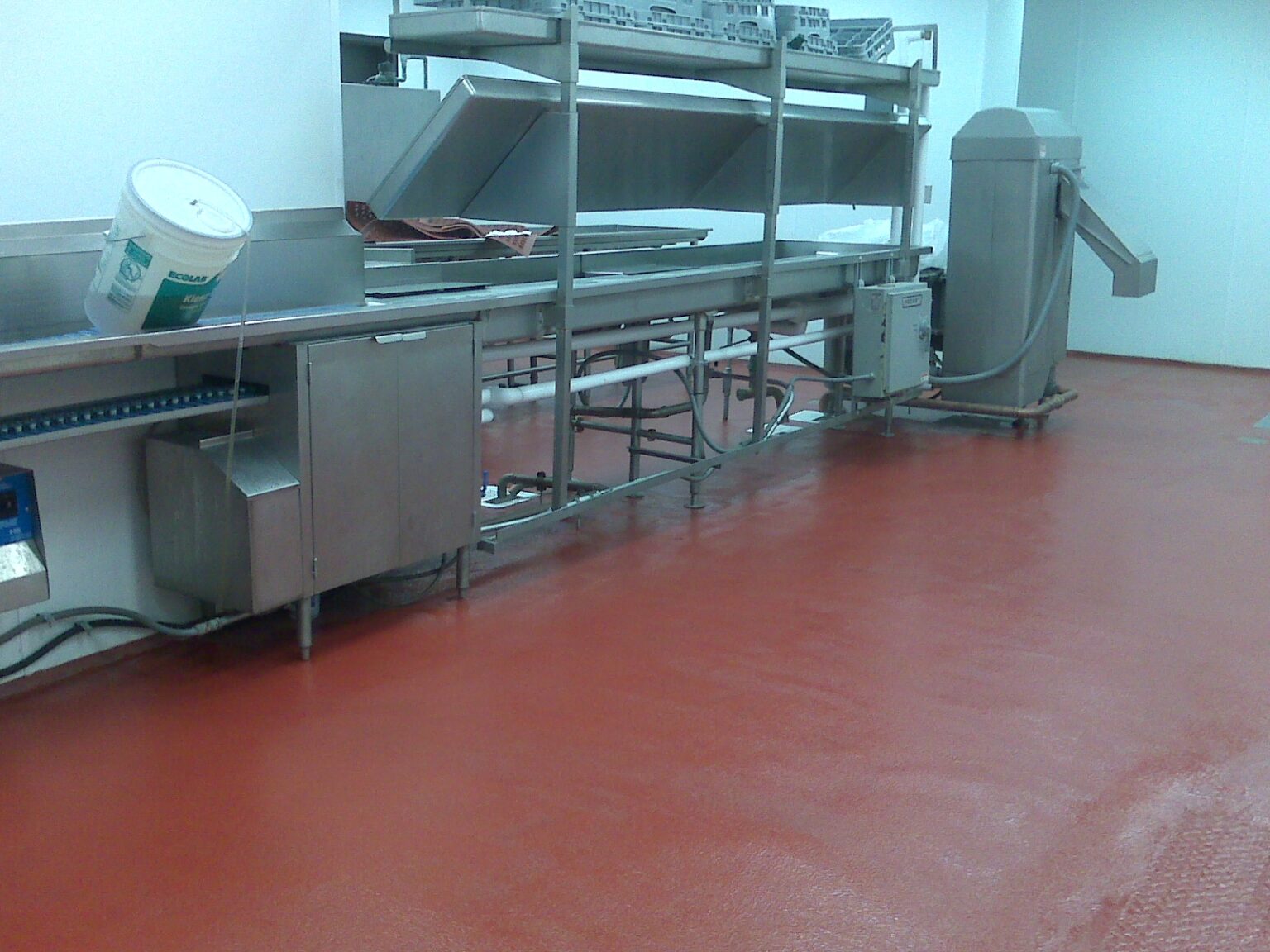
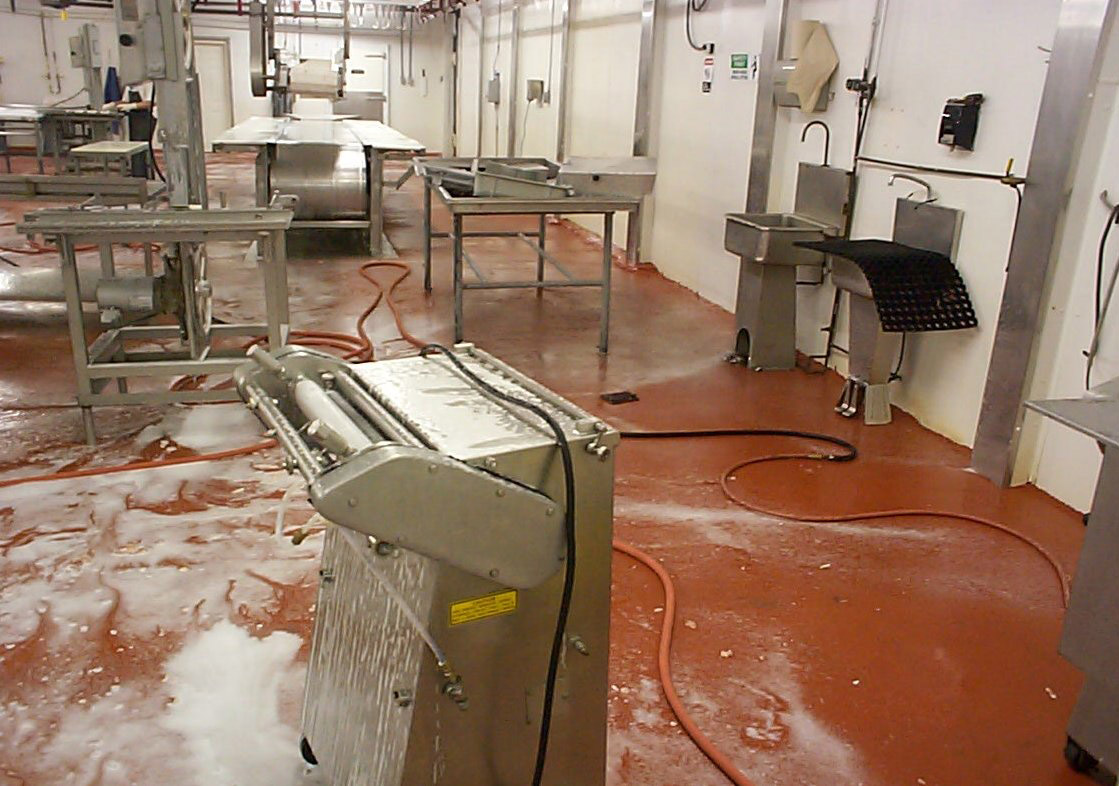
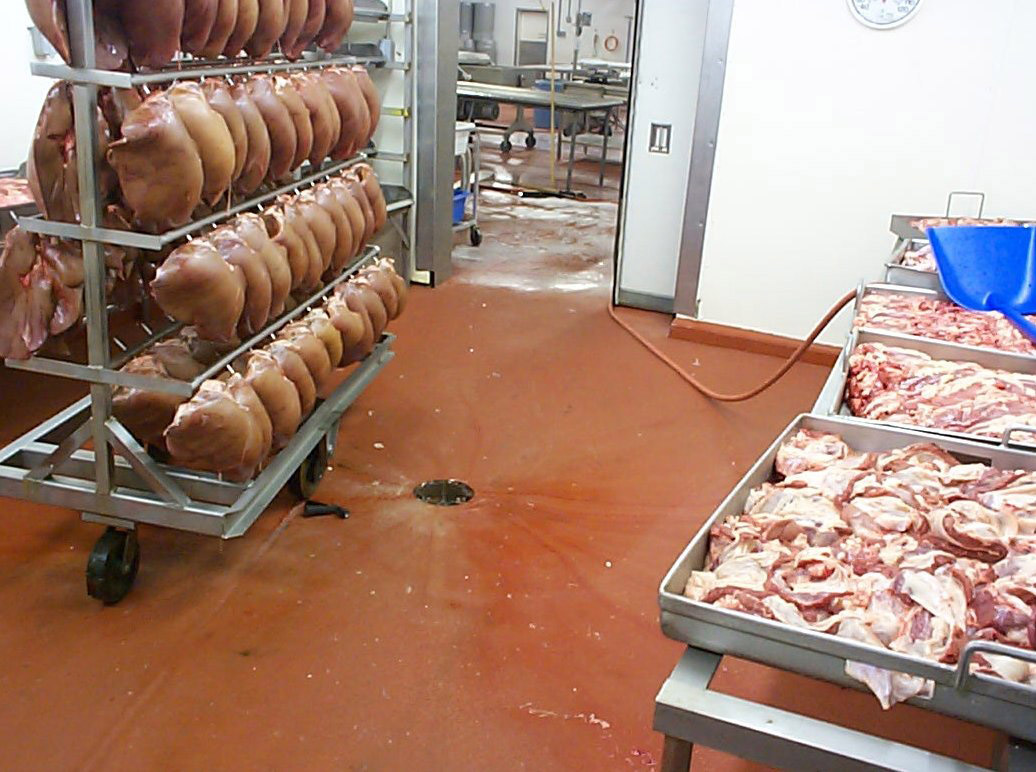
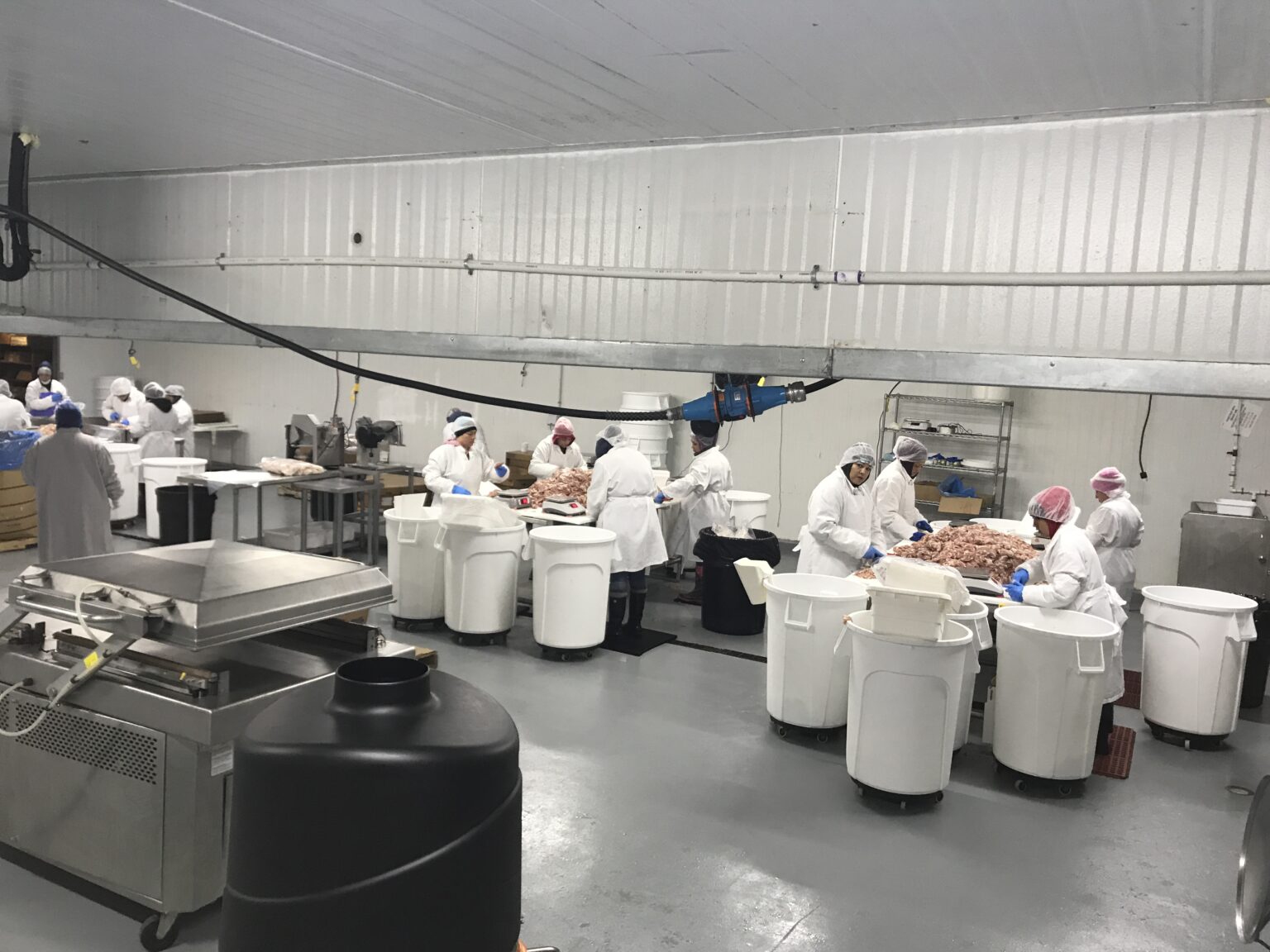
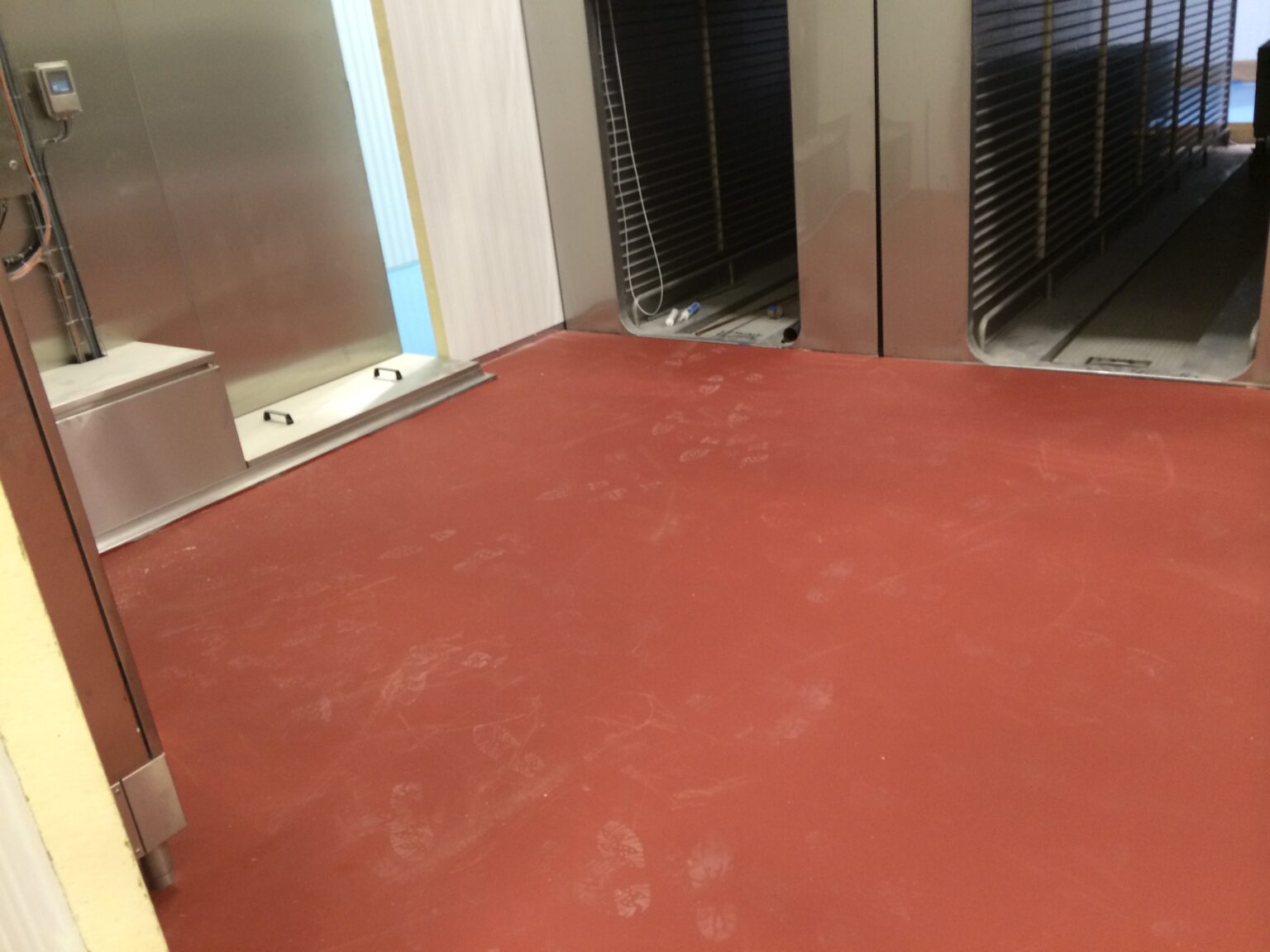
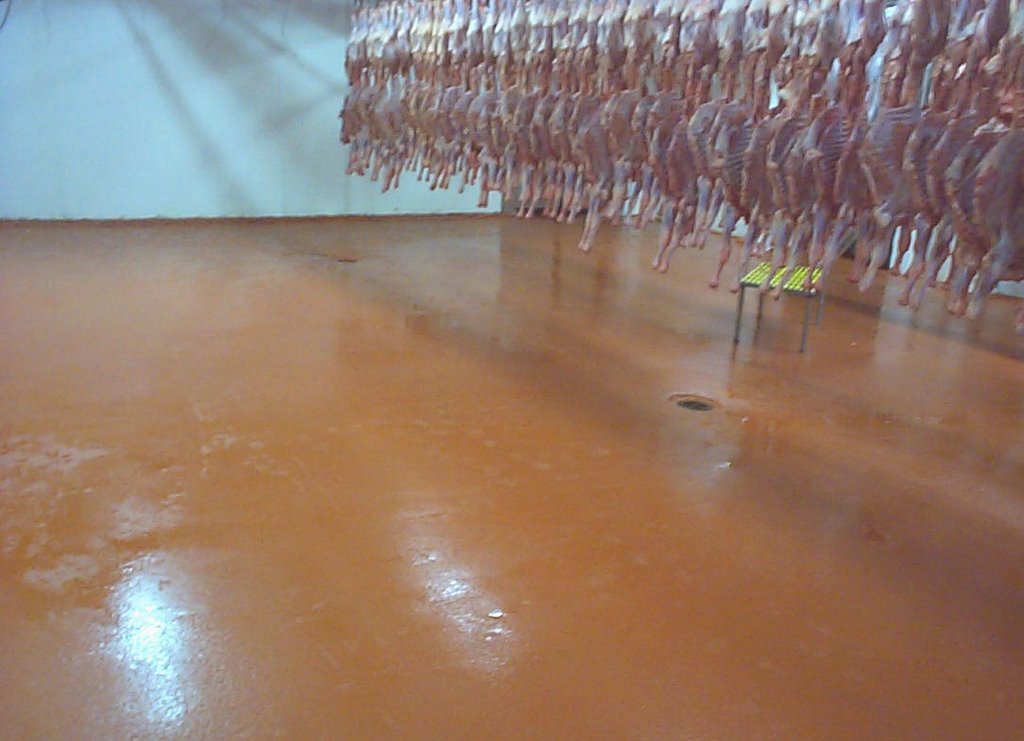
What seafood processing does to a floor
Salt water and brine
Seawater, brine freezers and salt ice soak into concrete and break it down from inside. A sealed urethane concrete topping keeps salt out of the slab.
Fish oils and slime
Oils and protein slime make floors slick and soften coatings. Urethane concrete resists oils, and a slip-grade texture keeps footing secure.
Ice everywhere
Ice is shoveled, dumped and melted on the floor all day, with steel shovels and totes scraping across it. The troweled system resists impact and abrasion.
24/7 washdown
Many seafood plants run round the clock in season, with washdown between and during shifts. PumaCRETE is designed for permanently wet service.
Steam cookers and smokehouses
Crab and shrimp cookers, retorts and smokehouses put steam and heat on the floor. Thermal zones get 3/8 inch.
Old waterfront buildings
Many plants sit in older waterfront buildings with damp, salt-damaged slabs. PumaCRETE bonds to damp concrete after damaged material is removed.
Recommended system by zone
One urethane concrete system, configured for the room you’re standing in. Thickness, texture and cove are set zone by zone. Add 1/8 in for integral cove.
| Zone | Recommended system | Key exposures |
|---|---|---|
| Receiving and offloading | 401-HF, 3/8 in, slip-grade | Seawater, ice, totes, forklifts |
| Filleting and trimming | 401-HF, 1/4 in + cove, slip-grade | Fish oils, slime, constant wet |
| Shellfish shucking and picking | 401-HF, 1/4 in + cove, slip-grade | Shell abrasion, brine, foot traffic |
| Cookers, retorts and smokehouses | 401-HF, 3/8 in (thermal) + cove | Steam, heat, salt |
| Ice room and brine freezing | 401-HF, 1/4 in + cove (cold cure) | Salt ice, shovels, cold |
| Packing and cold storage | 401-HF, 1/4 in | Condensation, pallet traffic |
Installing between seasons
Off-season or phased
Most seafood plants schedule floor work off-season. Year-round plants are phased line by line.
Salt-damaged concrete removed
Concrete broken down by salt is ground back to sound material and patched before the topping goes down.
Drains rebuilt
Trench drains and drain edges, the first things to fail in seafood plants, are rebuilt in the same scope.
Seafood HACCP and audits
- Supports sanitation monitoring under FDA Seafood HACCP, 21 CFR Part 123
- Meets FDA current good manufacturing practice: floors that can be adequately cleaned and kept in good repair (21 CFR Part 117)
- Catfish (Siluriformes) plants: meets USDA-FSIS sanitation performance standards
- Aligned with SQF, BRC, IFS and FSSC 22000 audit expectations
- OSHA-compliant slip resistance (wet coefficient of friction 0.6–0.9)
Performance data
| Property | PumaCRETE 401-HF |
|---|---|
| Compressive strength | 9,500 psi (ASTM C579) |
| Tensile strength | 1,450 psi (ASTM C307) |
| Flexural strength | 3,200 psi (ASTM C580) |
| Bond to concrete | Exceeds substrate (ASTM D7234) |
| Abrasion resistance | 0.06 g loss (ASTM C501) |
| Impact resistance | >160 in-lb (ASTM D2794) |
| Service temperature | -40°F to 248°F |
| Thermal shock | Pass, boiling-to-ambient cycles |
| Wet coefficient of friction | 0.6–0.9 (tunable) |
| Vapor pressure tolerance | Up to 25 lbs through the slab |
| Minimum install temperature | 35°F (operating coolers) |
| Standard thickness | 1/4 in (3/8 in in thermal zones) |
Standard 1/4-inch PumaCRETE 401-HF system. Full test data is on the technical data sheets.
Three ways to buy, direct from the manufacturer
Every system on this page is made by PumaCRETE and sold direct, with no distributor markup.
Buy the materials
Urethane concrete, primers, topcoats and cove kits shipped direct from the manufacturer to your plant. No distributor markup.
Buy it installed
Turnkey installation by factory-trained crews, with material and workmanship warranties from a single source.
Train your own crew
A factory-employed PumaCRETE trainer certifies your maintenance team or local contractor on your slab: prep, mixing, troweling, cove and testing.
Frequently Asked Questions
Seafood Processing Floors FAQ's
Salt penetrates concrete and breaks it down from inside, fish oils soften coatings, and constant wet means floors never dry out. A sealed, chemical-resistant urethane concrete topping addresses all three.
Seafood floors get a coarse slip-grade broadcast. Wet coefficient of friction runs 0.6–0.9 depending on texture, and the texture holds as the floor wears.
Yes, after salt-damaged concrete is removed back to sound material. PumaCRETE bonds to damp concrete and tolerates up to 25 lbs of vapor pressure.
Yes. PumaCRETE ships from the Port of Miami with on-site crew training. See the Caribbean & Latin America page.
More Related food & beverage floors
EXPERIENCE AND EXPERTISE
Ready to spec your seafood plant floors?
Get a no-obligation site assessment. We review your rooms, chemistry, temperatures and production calendar, then deliver a written specification and budget within five business days.
