Prepared & Specialty Foods · Oils & Rendering
Edible Oil Refinery & Rendering Plant Floors
Oil and fat plants put more grease on the floor than anywhere else in food processing. Hot oils and free fatty acids soften coatings and make floors dangerously slick, caustic refining splashes lye, and rendering plants add raw animal by-products, cookers and heavy loaders. PumaCRETE urethane concrete flooring resists oils, fatty acids and caustic, and holds a slip-resistant texture.
Oils
Resistant, not just tolerant
248°F
Maximum service temperature
0.6–0.9
Wet coefficient of friction
5-yr
Written warranty
GET A FREE QUOTE

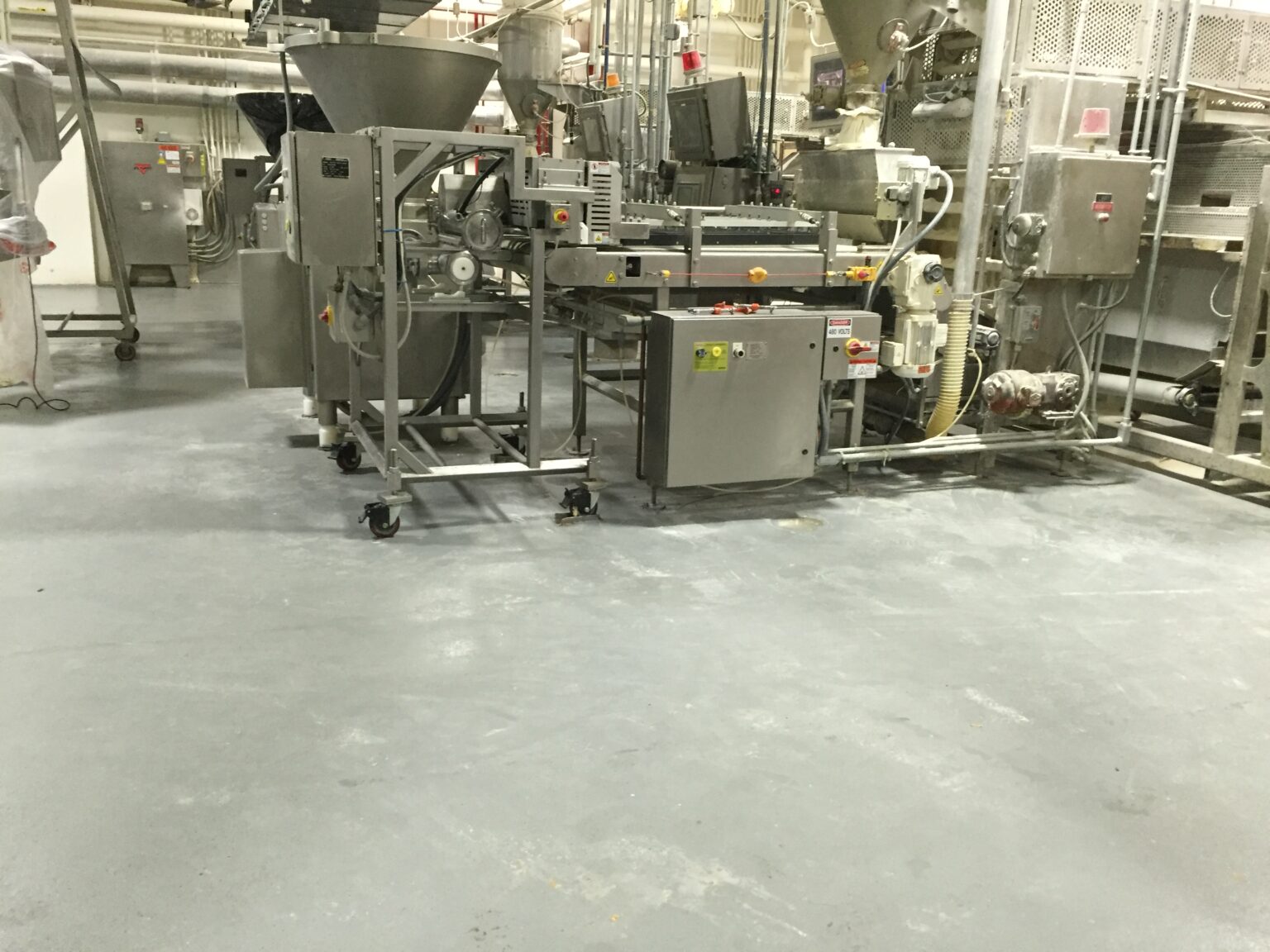
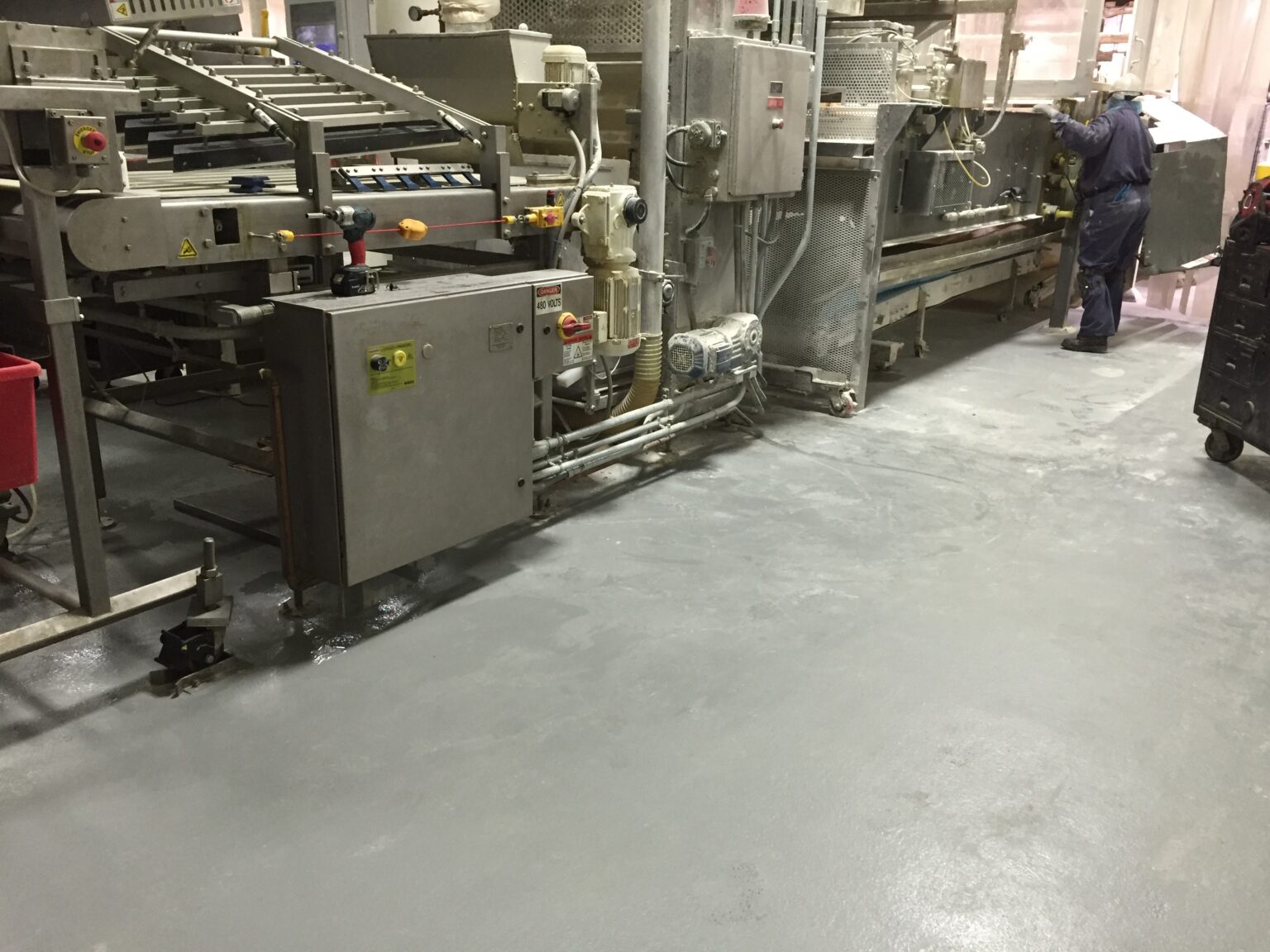
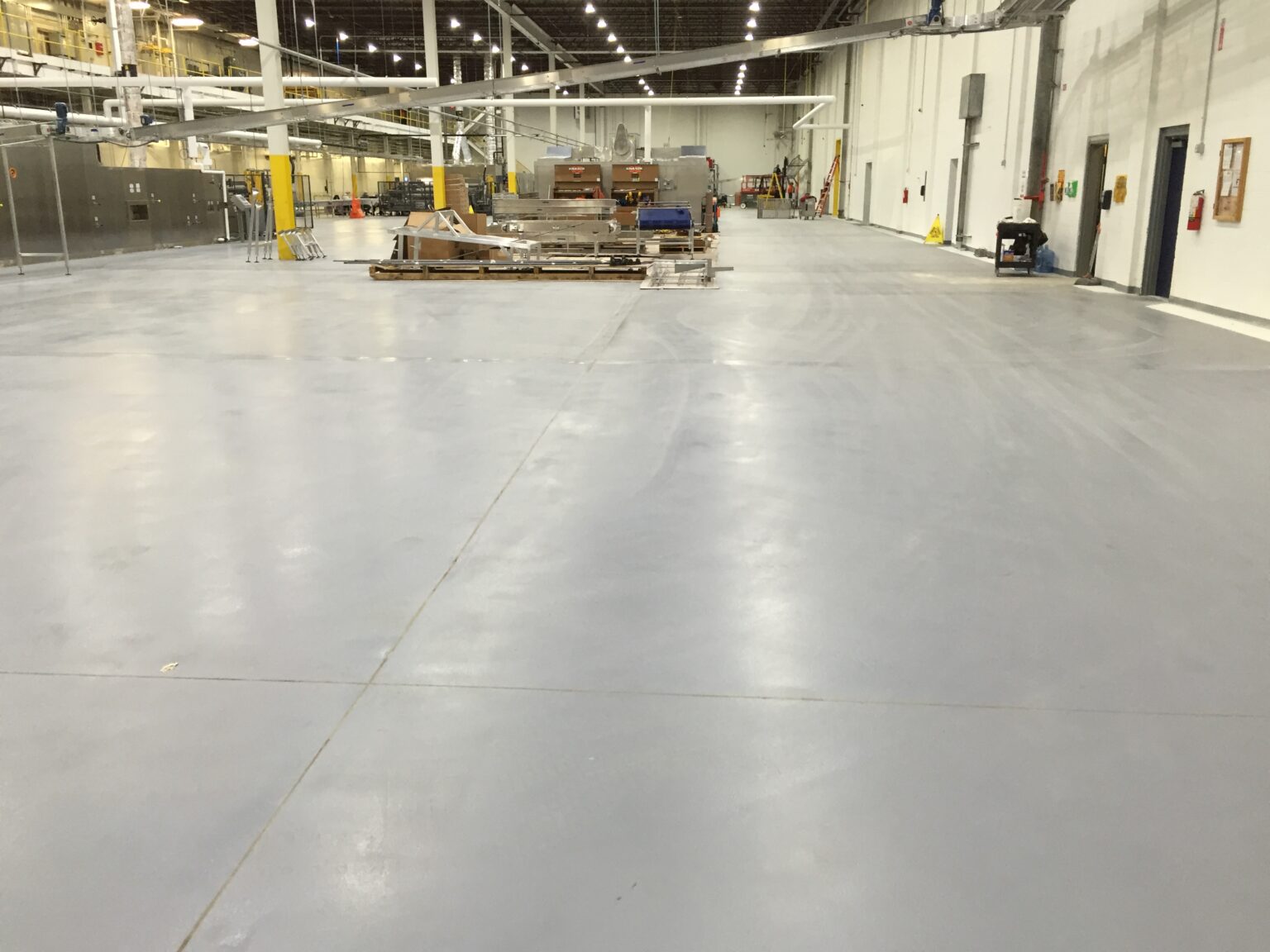
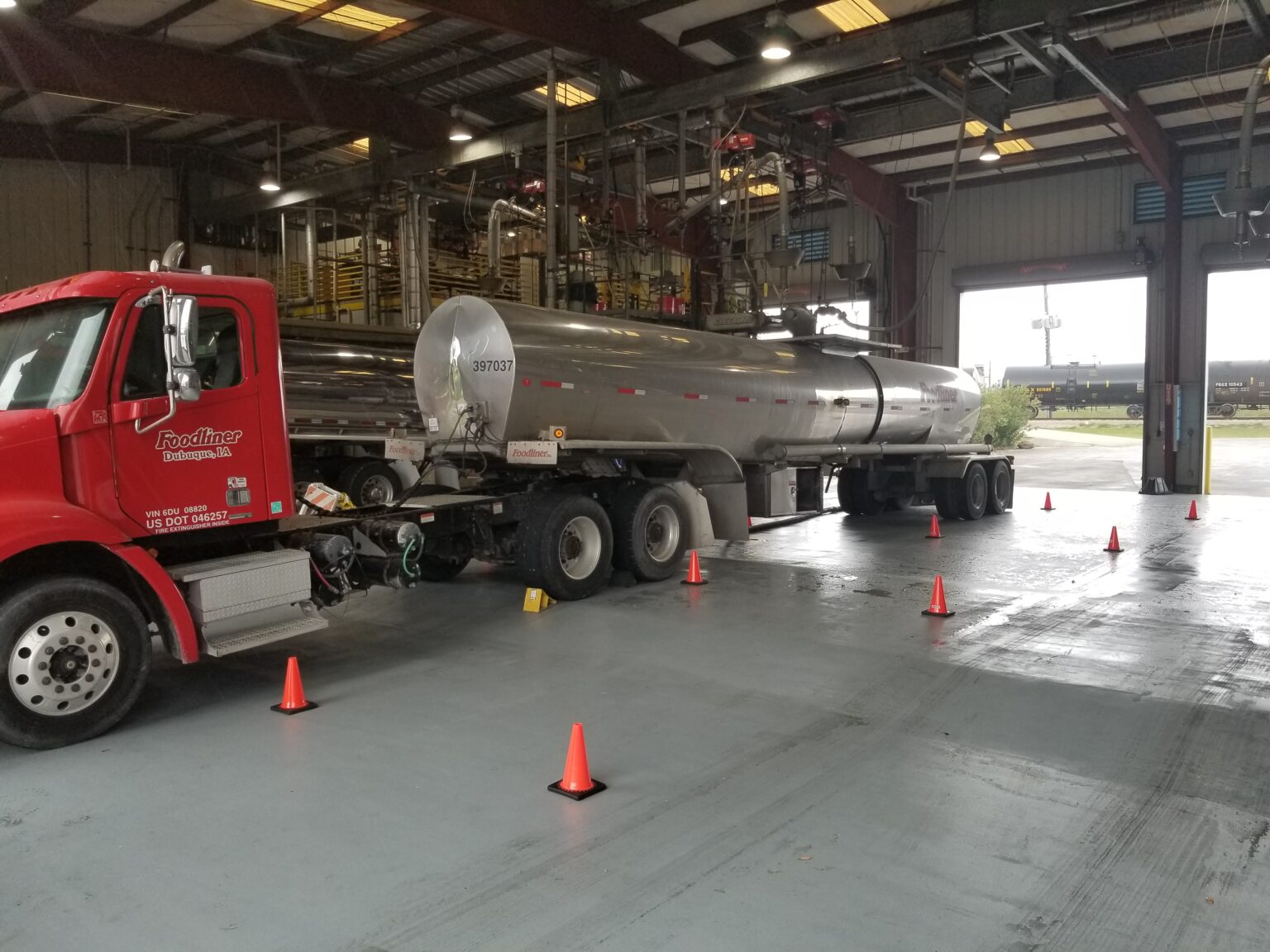
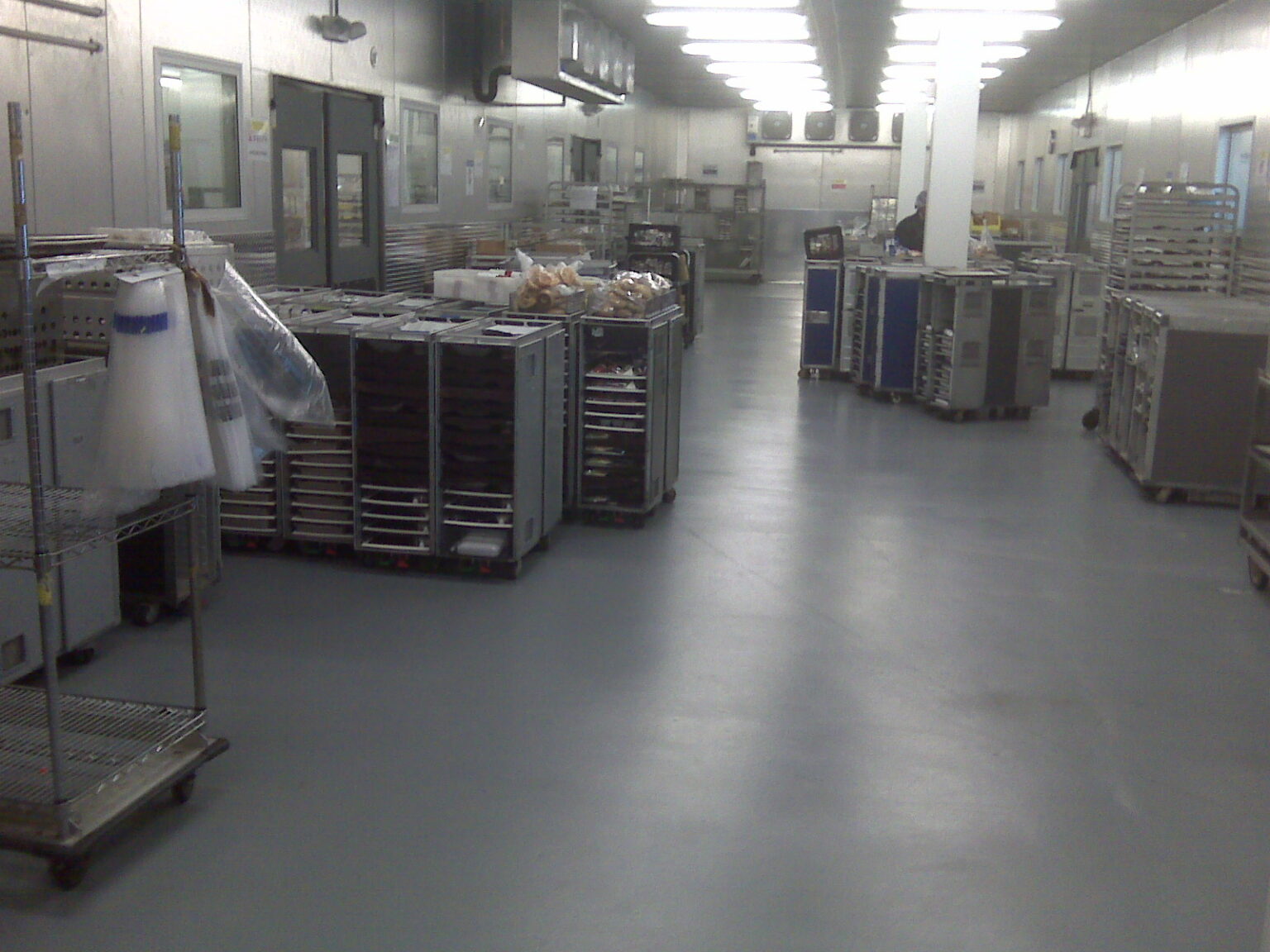
What oil and fat processing do to a floor
Hot oils and fats
Hot vegetable oils and animal fats soak into concrete and soften coatings. Urethane concrete resists oils and fats.
Free fatty acids
As fats break down they form fatty acids that attack concrete. PumaCRETE resists organic acids.
Caustic refining
Neutralization uses caustic soda, which splashes and drips onto the floor. The system is designed for caustic exposure.
Slip risk
Oily floors are among the most dangerous in any plant. Slip-grade texture keeps the wet coefficient of friction in the 0.6–0.9 range.
Raw material at rendering plants
Rendering receiving handles raw animal by-products with heavy loaders. Thicker, textured systems handle the abuse.
Cooker and press heat
Cookers, presses and deodorizers bring heat and steam. Thermal zones get 3/8 inch.
Recommended system by zone
One urethane concrete system, configured for the room you’re standing in. Thickness, texture and cove are set zone by zone. Add 1/8 in for integral cove.
| Zone | Recommended system | Key exposures |
|---|---|---|
| Rendering raw material receiving | 401-HF, 3/8 in + cove, slip-grade | Raw by-products, loaders, organic acids |
| Cookers and presses | 401-HF, 3/8 in (thermal) + cove | Heat, fats, steam |
| Oil refining and neutralization | 401-HF, 3/8 in + cove | Hot oil, caustic, fatty acids |
| Bleaching and deodorizing | 401-HF, 3/8 in (thermal) | Heat, oil, spent bleaching earth |
| Filling and packaging | 401-HF, 1/4 in, slip-grade | Oil spills, conveyor traffic |
| Tank farm and loading | 401-HF, 1/4 in | Oil spills, truck and forklift traffic |
Installing on oil-soaked slabs
Oil-contaminated concrete prepared
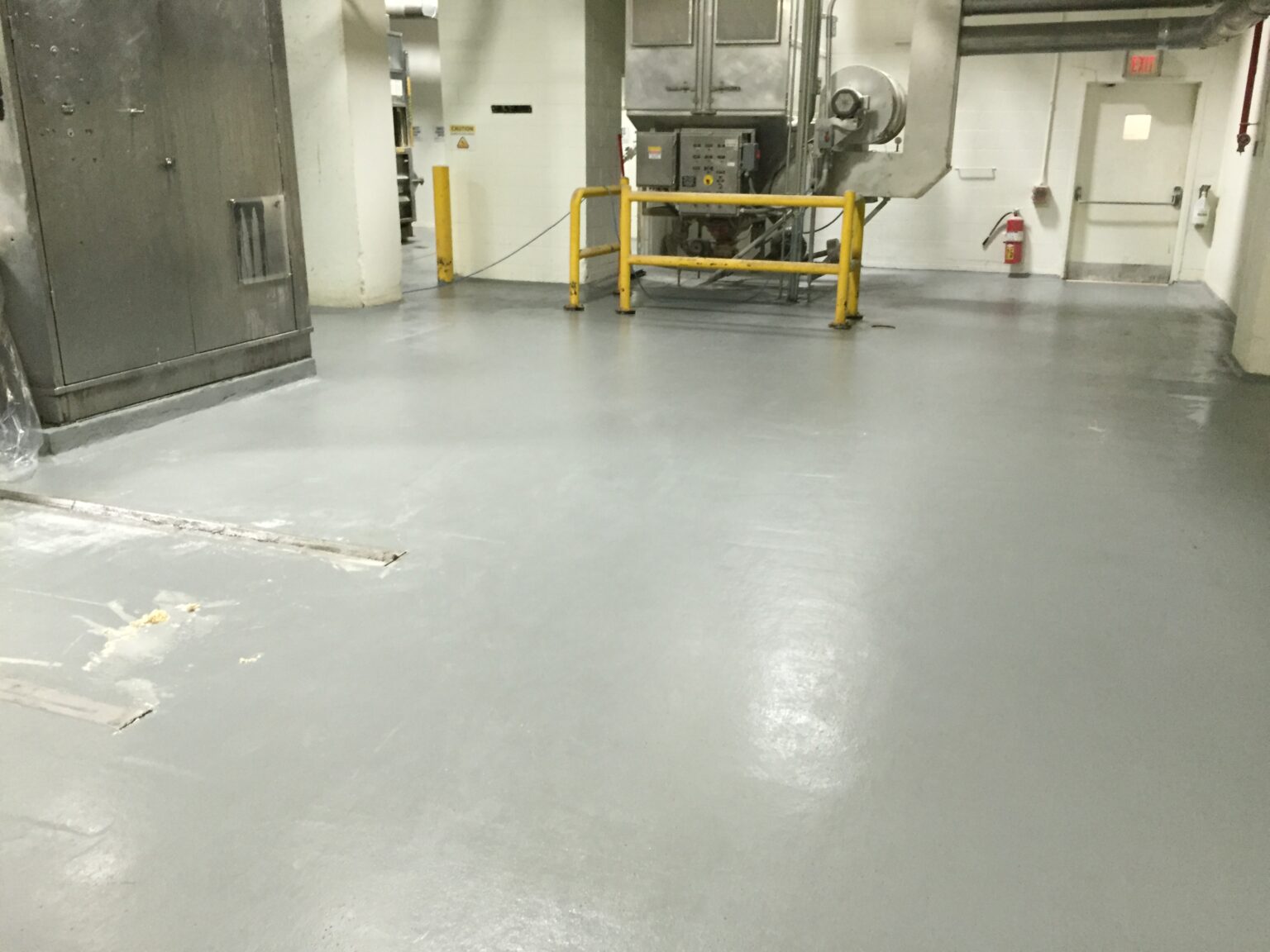
Oil-soaked concrete is cleaned and ground back to sound material so the topping bonds.
Phased by area
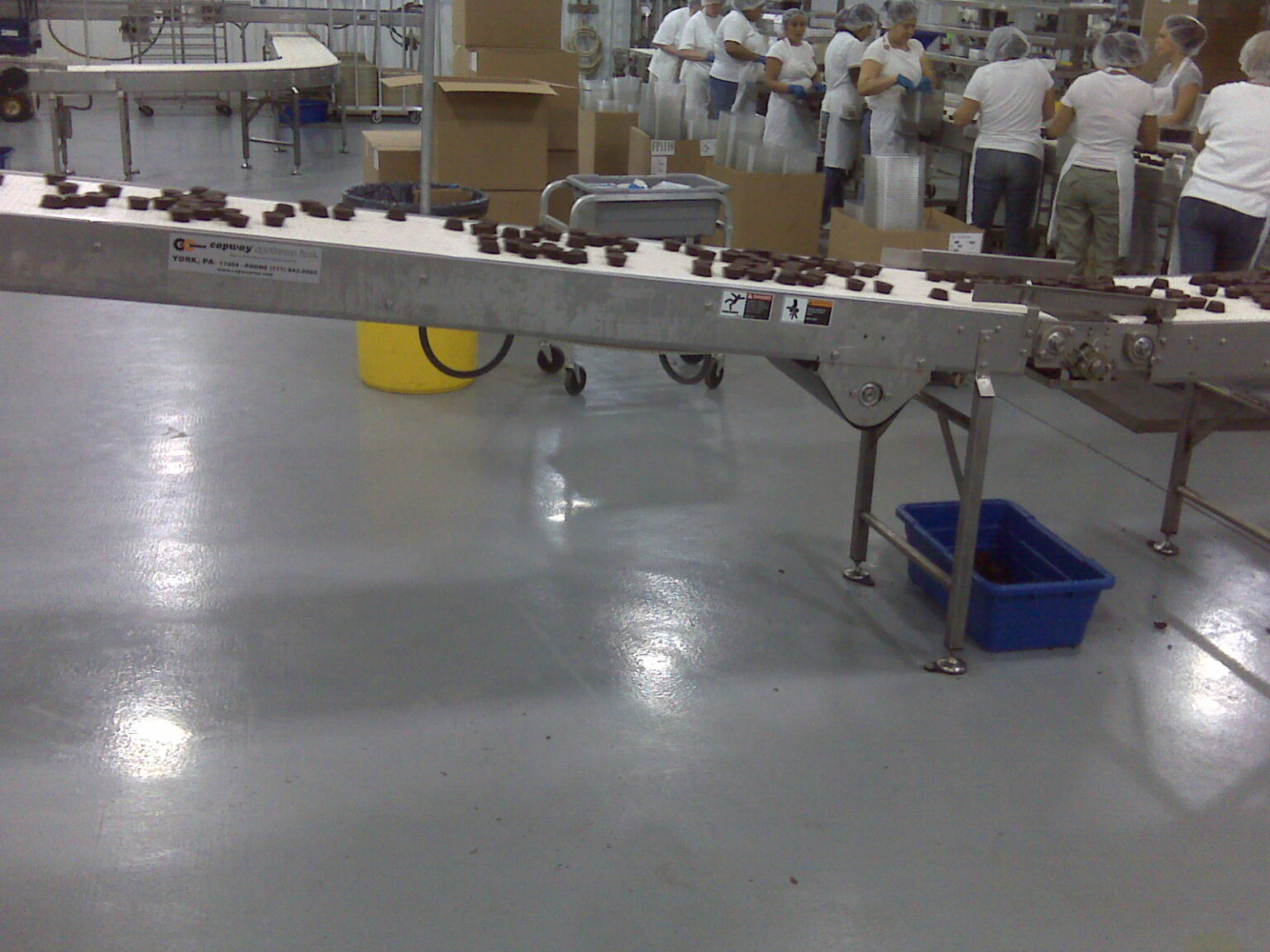
Refining, packaging and rendering areas are done in zones so the plant keeps running.
Texture tuned for oil
Coarser aggregate where oil is heaviest, finer texture where carts roll.
Food and feed safety
- Edible oil refineries: meets FDA current good manufacturing practice for cleanable floors (21 CFR Part 117)
- Rendering for animal food ingredients: supports 21 CFR Part 507 requirements
- Aligned with SQF, BRC, IFS and FSSC 22000 audit expectations
- OSHA-compliant slip resistance (wet coefficient of friction 0.6–0.9)
Performance data
| Property | PumaCRETE 401-HF |
|---|---|
| Compressive strength | 9,500 psi (ASTM C579) |
| Tensile strength | 1,450 psi (ASTM C307) |
| Flexural strength | 3,200 psi (ASTM C580) |
| Bond to concrete | Exceeds substrate (ASTM D7234) |
| Abrasion resistance | 0.06 g loss (ASTM C501) |
| Impact resistance | >160 in-lb (ASTM D2794) |
| Service temperature | -40°F to 248°F |
| Thermal shock | Pass, boiling-to-ambient cycles |
| Wet coefficient of friction | 0.6–0.9 (tunable) |
| Vapor pressure tolerance | Up to 25 lbs through the slab |
| Minimum install temperature | 35°F (operating coolers) |
| Standard thickness | 1/4 in (3/8 in in thermal zones) |
Standard 1/4-inch PumaCRETE 401-HF system. Full test data is on the technical data sheets.
Three ways to buy, direct from the manufacturer
Every system on this page is made by PumaCRETE and sold direct, with no distributor markup.
Buy the materials
Urethane concrete, primers, topcoats and cove kits shipped direct from the manufacturer to your plant. No distributor markup.
Buy it installed
Turnkey installation by factory-trained crews, with material and workmanship warranties from a single source.
Train your own crew
A factory-employed PumaCRETE trainer certifies your maintenance team or local contractor on your slab: prep, mixing, troweling, cove and testing.
Frequently Asked Questions
Edible Oil Refinery & Rendering Plant Floors FAQ's
Usually, yes, after the contaminated surface is cleaned and ground back to sound concrete. We test bond during the site visit.
We use a coarse slip-grade texture in oil-heavy areas. Wet coefficient of friction runs 0.6–0.9 depending on texture, and the sealed surface releases oil under cleaning.
Yes. PumaCRETE is designed for caustic exposure. We specify 3/8 inch with integral cove in neutralization areas.
Yes. See the Meat & Poultry pages for kill floor and processing areas.
EXPERIENCE AND EXPERTISE
Ready to spec your oil or rendering plant floors?
Get a no-obligation site assessment. We review your rooms, chemistry, temperatures and production calendar, then deliver a written specification and budget within five business days.
