
Beverage · Breweries, Distilleries & Wineries
Brewery, Distillery & Winery Floors That Take Hot Wort and Acid
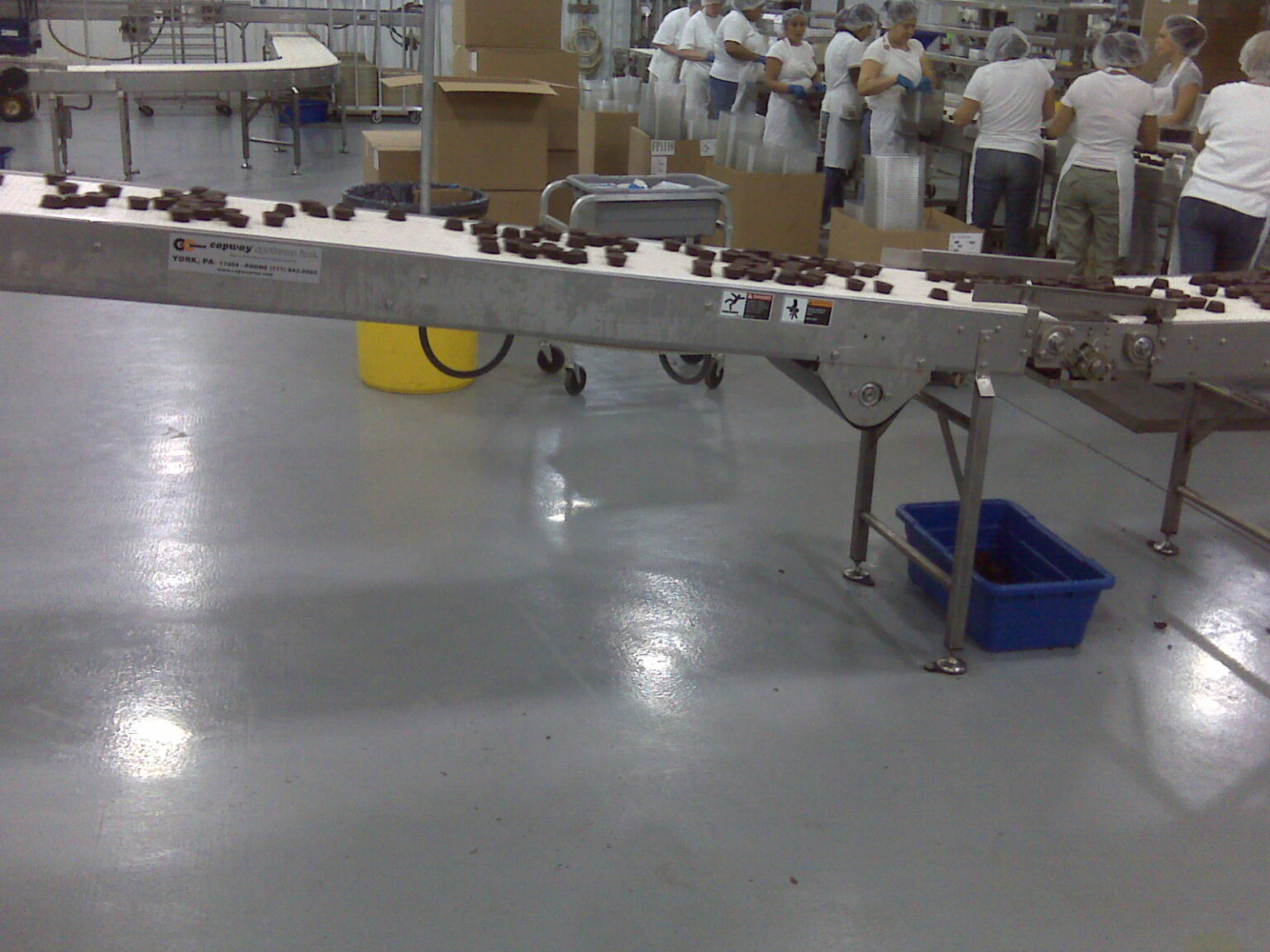
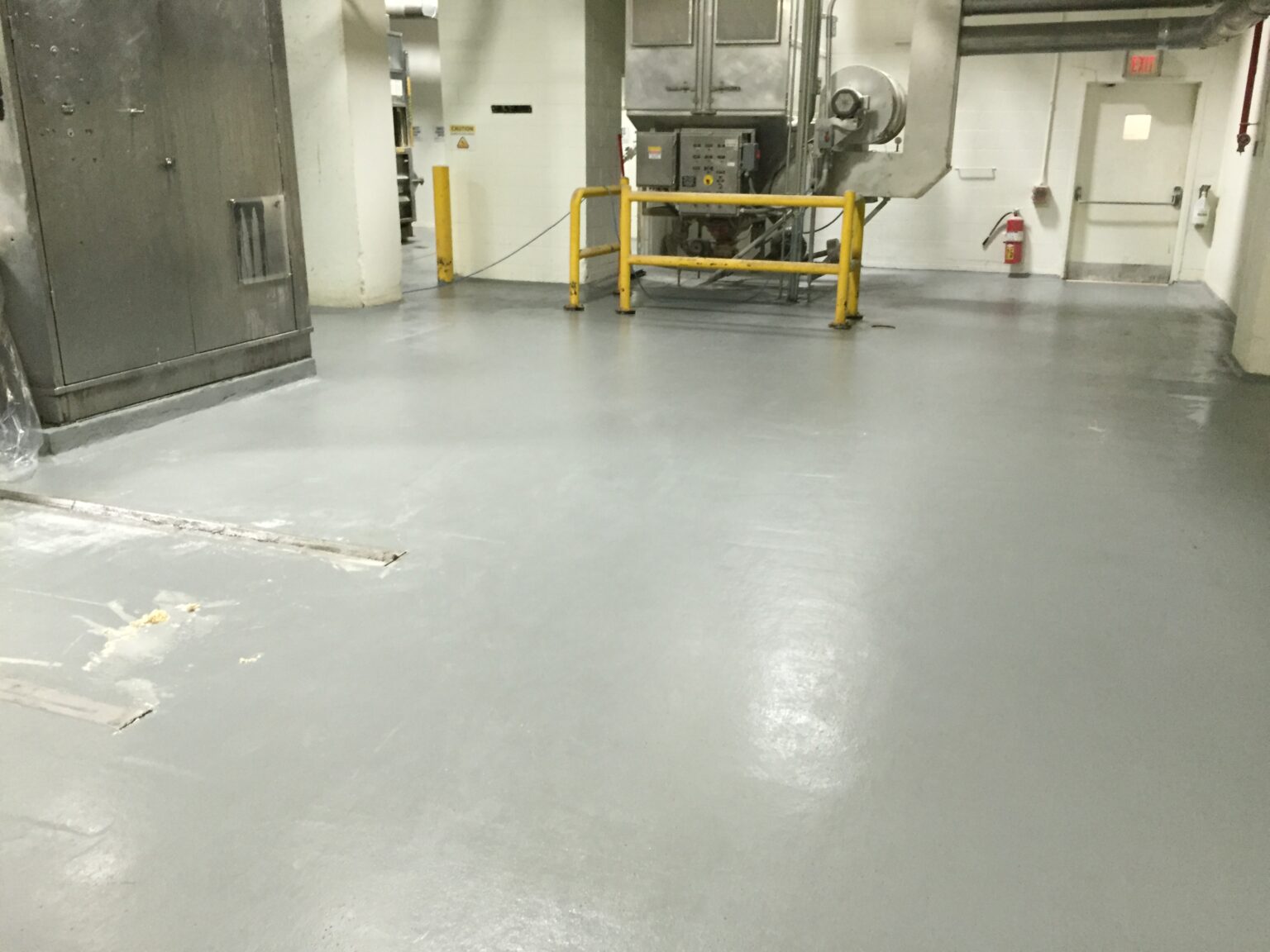
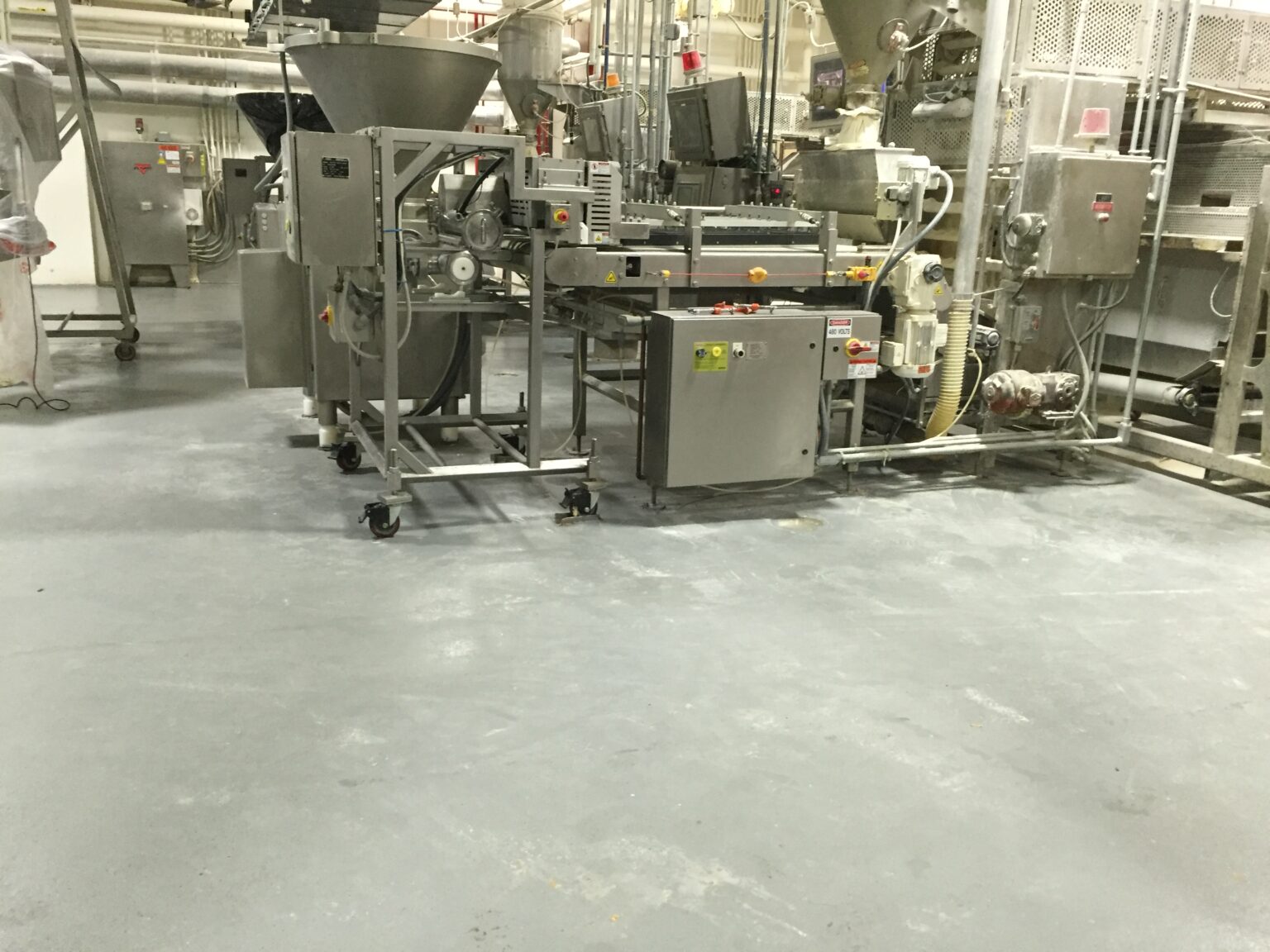
Hot wort spills, ice-cold rinses, lactic acid from souring tanks, tannic acid from barrels, ethanol from the still house, and caustic CIP every brew day. PumaCRETE urethane concrete flooring is built to take all of it in the same shift without delaminating, crazing, or going slick when wet.
248°F
Maximum service temperature
1/4–3/8 in
Troweled thickness
0.6–0.9
Wet coefficient of friction
5-yr
Written warranty
GET A FREE QUOTE

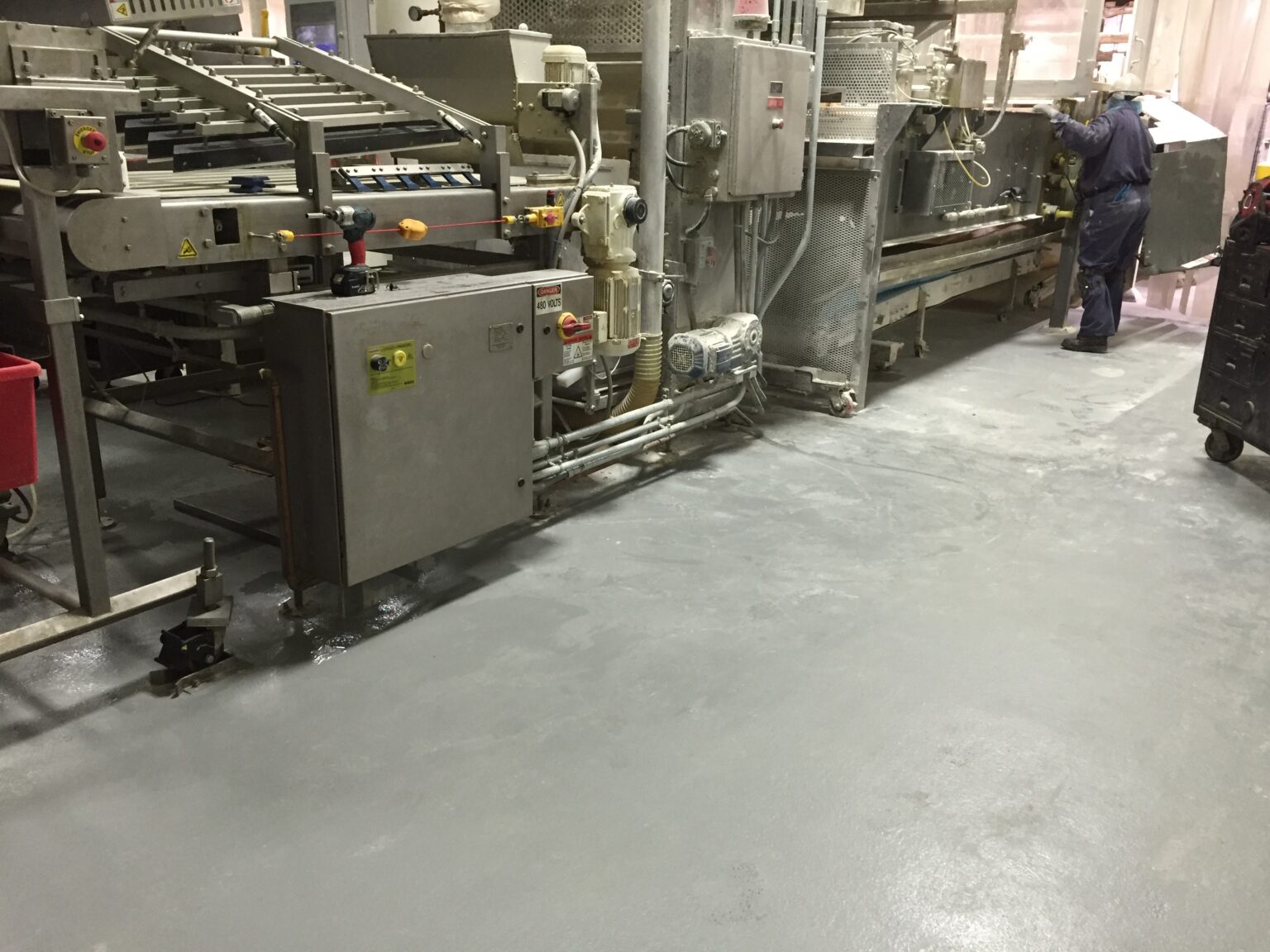
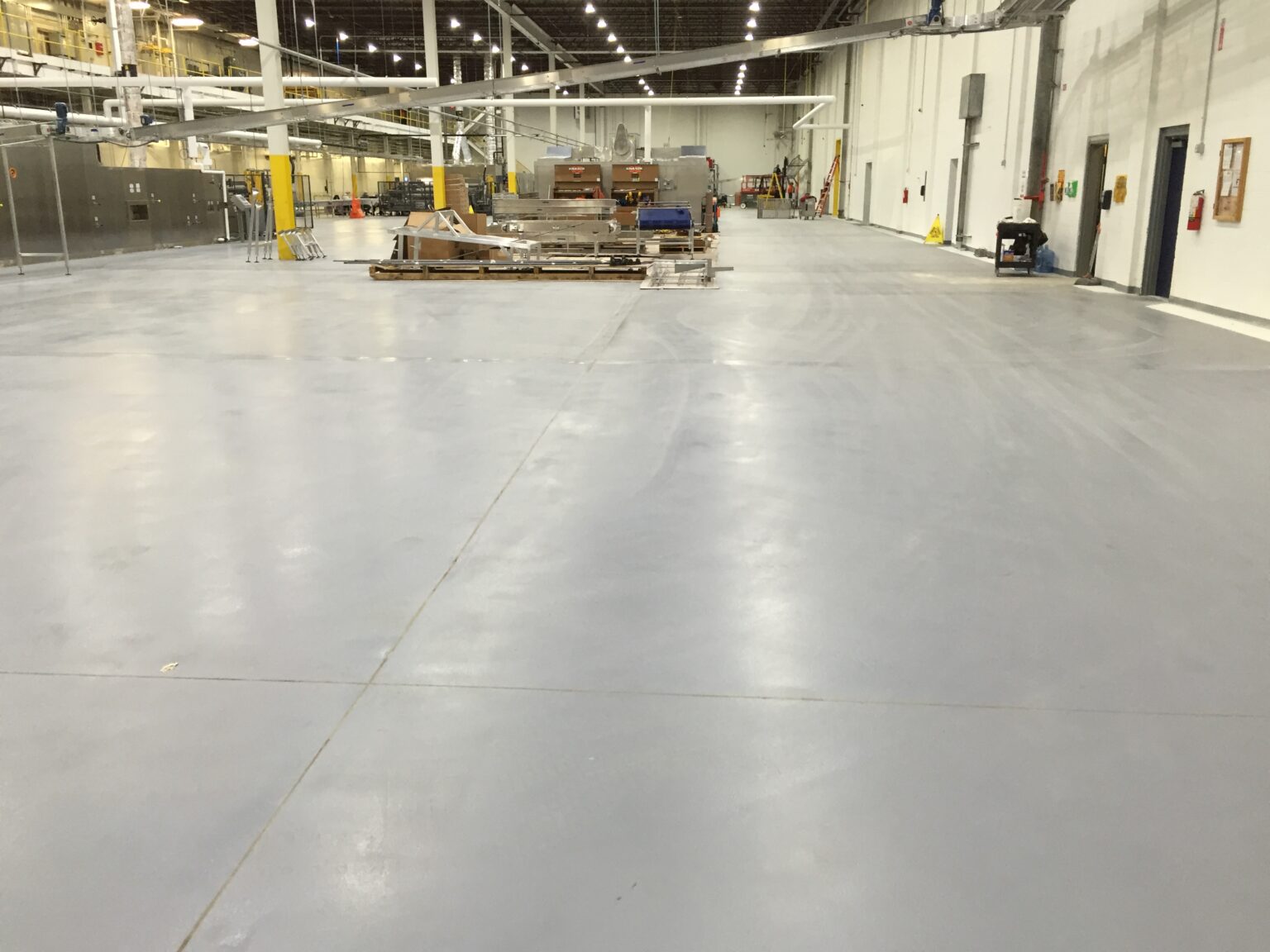
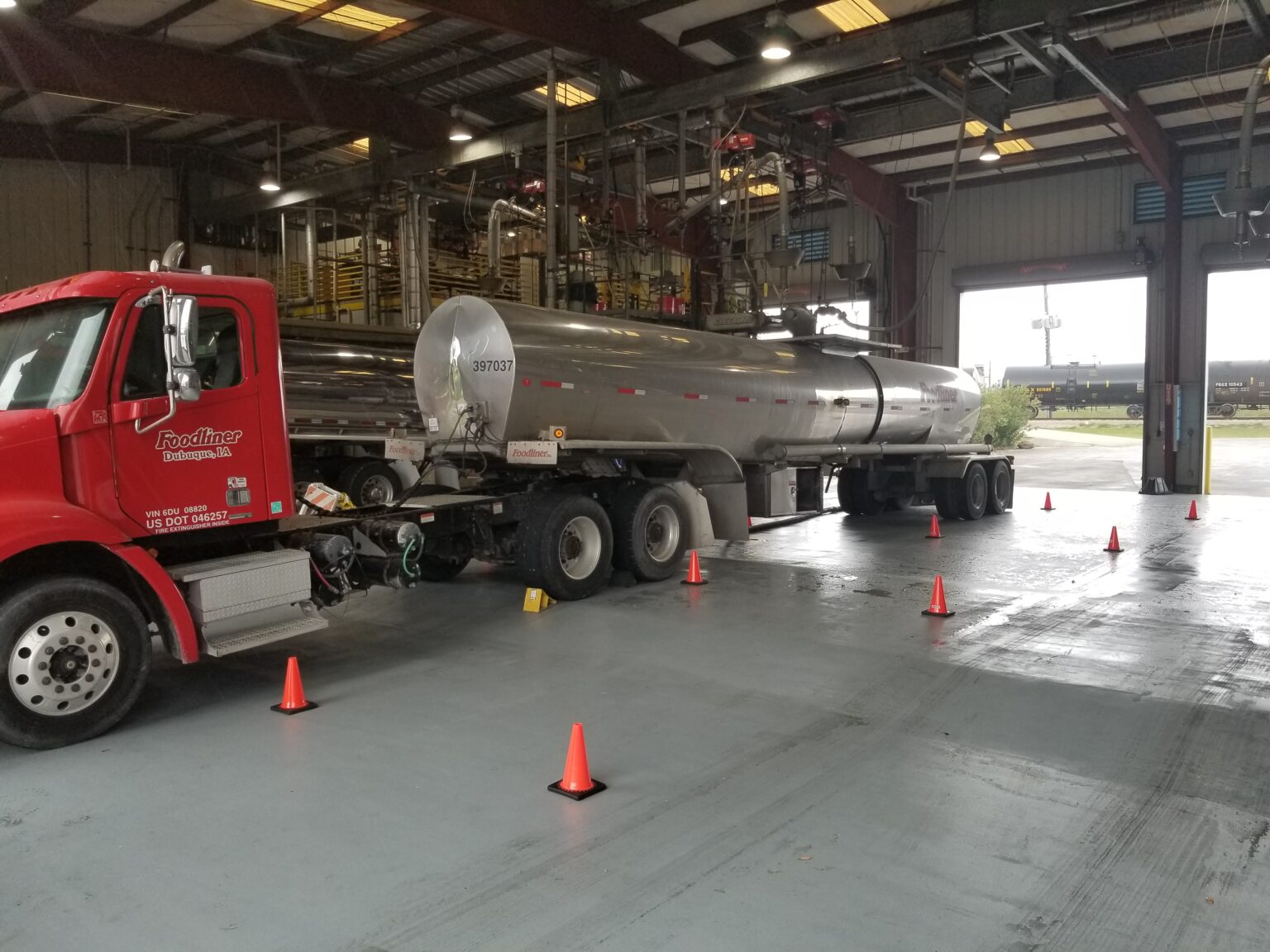
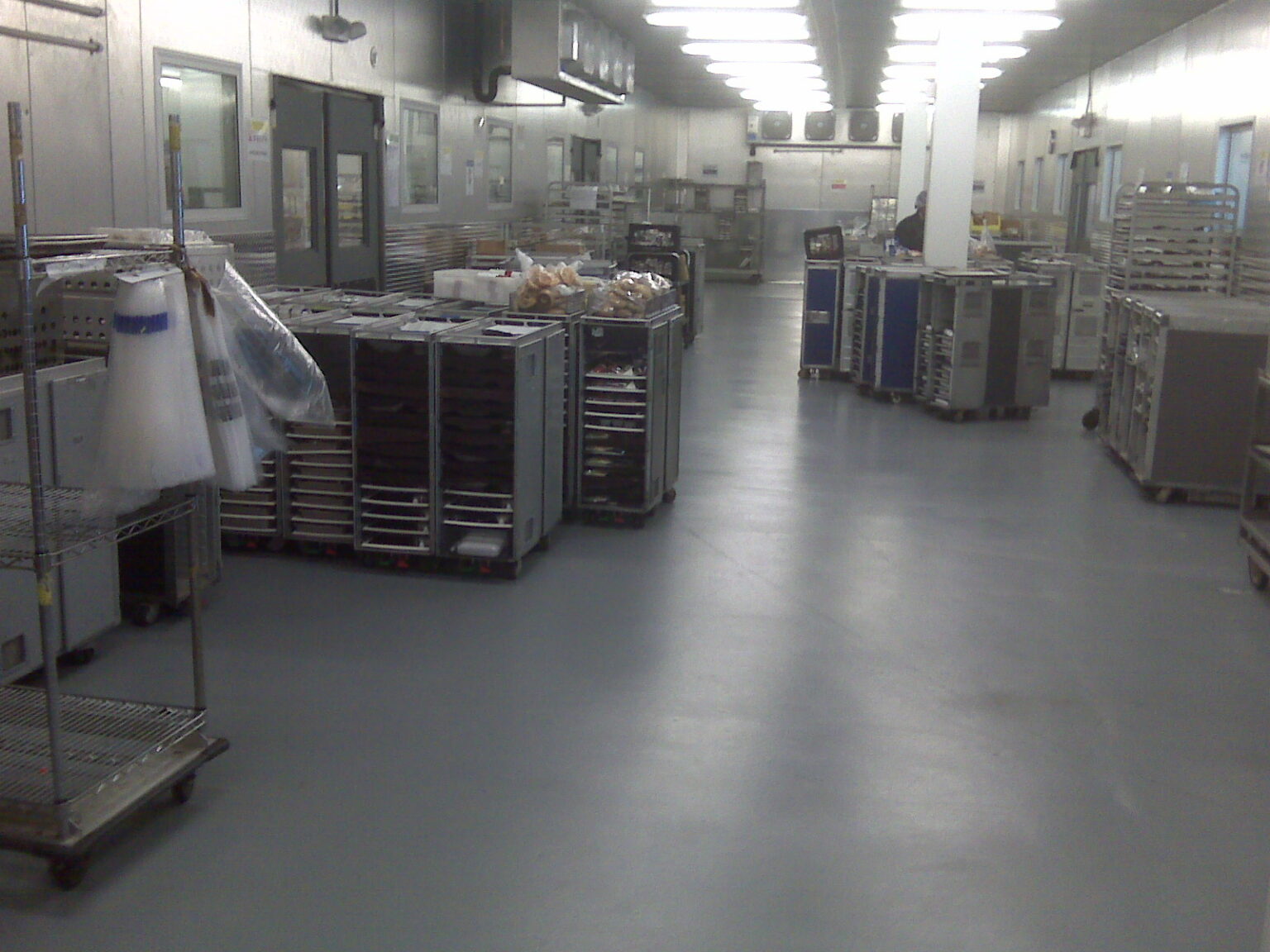
What brewing, distilling and winemaking do to a floor
Hot wort and boil-overs
Wort and spent grain hit the brewhouse floor near boiling, followed by cold rinse water. Epoxy delaminates under that thermal shock; urethane concrete expands at nearly the same rate as the concrete beneath it.
Lactic and acetic acid
Souring programs, yeast slurry and spoiled beer leave organic acids on the floor that etch concrete. PumaCRETE resists them.
Lactic and acetic acid
Souring programs, yeast slurry and spoiled beer leave organic acids on the floor that etch concrete. PumaCRETE resists them.
Caustic CIP
Tanks are cleaned with hot caustic and acid. Discharge runs across the floor to the trench every brew day.
Ethanol and still house heat
Distilleries add ethanol, heat from stills and steam cleaning. The system resists ethanol and is rated for service up to 248°F.
Kegs, barrels and forklifts
Dropped kegs, rolled barrels and forklift traffic chip thin coatings. The troweled system resists impact above 160 in-lb.
Recommended system by zone
One urethane concrete system, configured for the room you’re standing in. Thickness, texture and cove are set zone by zone. Add 1/8 in for integral cove.
| Zone | Recommended system | Key exposures |
|---|---|---|
| Brewhouse and kettle floor | 401-HF, 3/8 in (thermal) + cove | Hot wort, steam, caustic CIP |
| Cellar and fermentation tank pads | 401-HF, 1/4 in + cove | Yeast slurry, lactic and acetic acid, cold rinses |
| Distillery still house | 401-HF, 3/8 in (thermal) + cove | Ethanol, boil-overs, spent grain, steam |
| Winery crush pad | 401-HF, 3/8 in, slip-grade | Grape must, tannic and malic acid, sulfite sanitizers |
| Barrel room | 401-HF, 1/4 in | Wine spills, humidity, barrel racks |
| Bottling and canning line | 401-HF, 1/4 in, slip-grade | Glass, forklift wheels, sticky residue |
| Tasting room | 401-HF, 1/4 in, decorative finish | Foot traffic, spills, appearance |
| Walk-in cooler and cold storage | 401-HF, 1/4 in (cold cure, 35°F minimum) | Condensation, keg and pallet traffic |
Installing around brew days and harvest
Scheduled around production
Brewhouses are done between brew days, and wineries before crush. Most areas return to service about 24 hours after the final coat.
Trench drains rebuilt
The trench in front of the brewhouse is usually the first thing to fail. Drain edges are rebuilt and the topping coved into them.
Your crew, trained by the factory
Smaller breweries and wineries can buy materials direct and have a PumaCRETE trainer certify their own crew or contractor. See on-site training.
Sanitation and worker safety
- Breweries, distilleries and wineries remain subject to FDA current good manufacturing practices, including cleanable floors (21 CFR Part 117, Subpart B)
- Seamless, non-porous surface that is easy to sanitize between batches
- OSHA-compliant slip resistance (wet coefficient of friction 0.6–0.9)
- Where your engineer calls for static control in ethanol areas, PumaCRETE conductive systems are available
Performance data
| Property | PumaCRETE 401-HF |
|---|---|
| Compressive strength | 9,500 psi (ASTM C579) |
| Tensile strength | 1,450 psi (ASTM C307) |
| Flexural strength | 3,200 psi (ASTM C580) |
| Bond to concrete | Exceeds substrate (ASTM D7234) |
| Abrasion resistance | 0.06 g loss (ASTM C501) |
| Impact resistance | >160 in-lb (ASTM D2794) |
| Service temperature | -40°F to 248°F |
| Thermal shock | Pass, boiling-to-ambient cycles |
| Wet coefficient of friction | 0.6–0.9 (tunable) |
| Vapor pressure tolerance | Up to 25 lbs through the slab |
| Minimum install temperature | 35°F (operating coolers) |
| Standard thickness | 1/4 in (3/8 in in thermal zones) |
Standard 1/4-inch PumaCRETE 401-HF system. Full test data is on the technical data sheets.
Three ways to buy, direct from the manufacturer
Every system on this page is made by PumaCRETE and sold direct, with no distributor markup.
Buy the materials
Urethane concrete, primers, topcoats and cove kits shipped direct from the manufacturer to your plant. No distributor markup.
Buy it installed
Turnkey installation by factory-trained crews, with material and workmanship warranties from a single source.
Train your own crew
A factory-employed PumaCRETE trainer certifies your maintenance team or local contractor on your slab: prep, mixing, troweling, cove and testing.
Frequently Asked Questions
Brewery, Distillery & Winery Floors FAQ's
Epoxy can't handle hot wort followed by a cold rinse. The thermal shock cracks and delaminates it, often within a couple of years. Urethane concrete is built for exactly that cycle.
Brewhouse and kettle floors, still houses and crush pads, where heat, impact or acids are heaviest. Cellars, barrel rooms and packaging use 1/4 inch.
Yes. You can buy PumaCRETE materials direct, and a factory-employed trainer will work with your crew or contractor on site during the first installation.
Yes. Tasting rooms can use a decorative finish with colored aggregate, while keeping the same sanitary, slip-resistant surface as production.
More Related food & beverage floors
EXPERIENCE AND EXPERTISE
Ready to spec your brewery, distillery or winery floors?
Get a no-obligation site assessment. We review your rooms, chemistry, temperatures and production calendar, then deliver a written specification and budget within five business days.
