ATF-Licensed Facility Flooring
Conductive flooring systems for ATF-licensed Type 1, 2, 3, 4, and 5 magazines — commercial explosives manufacturers, importers, dealers, and users operating under 27 CFR Part 555. Full NFPA 495 construction compliance with ATF-inspection-ready test documentation.
GET A FREE QUOTE

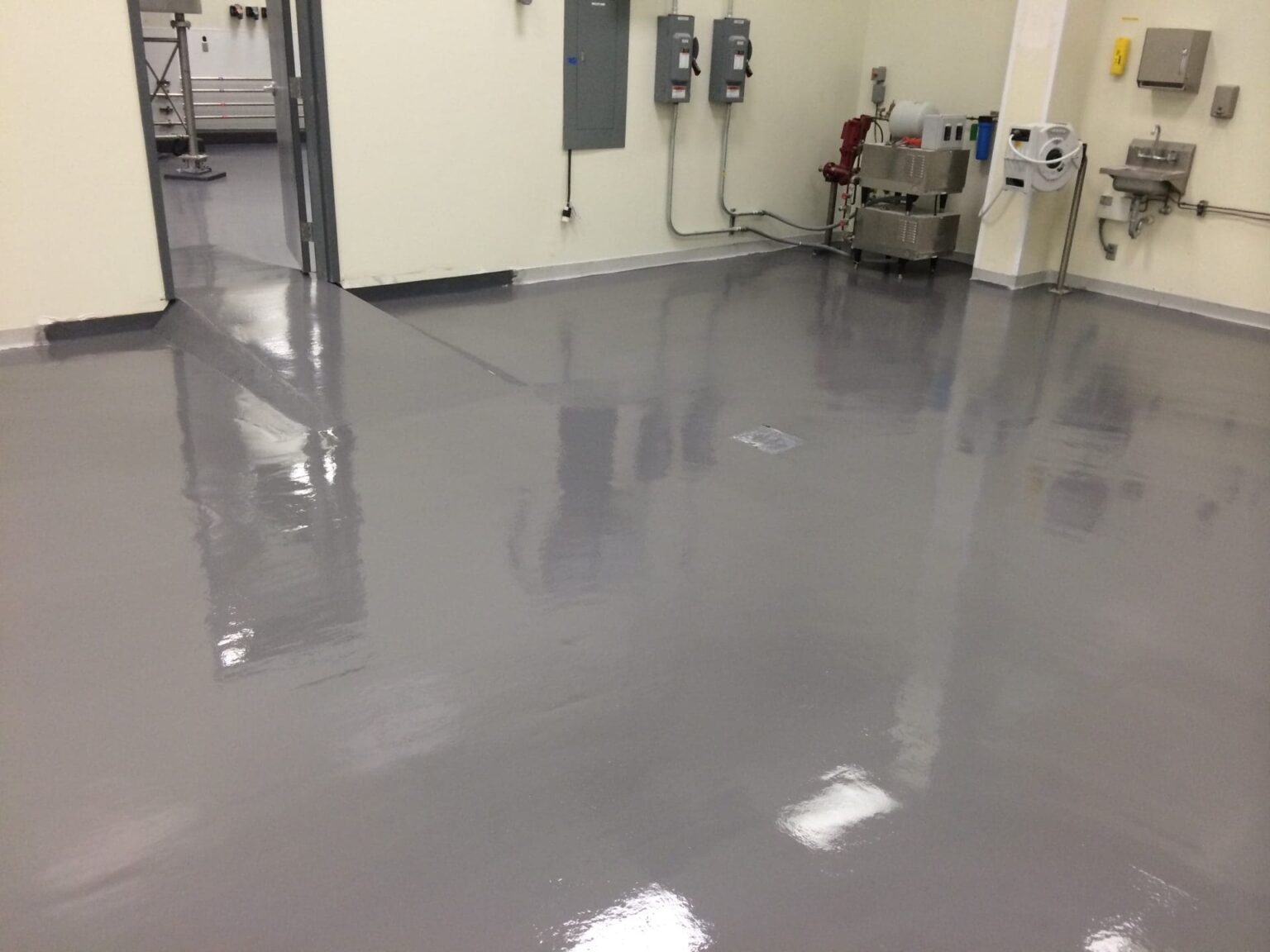
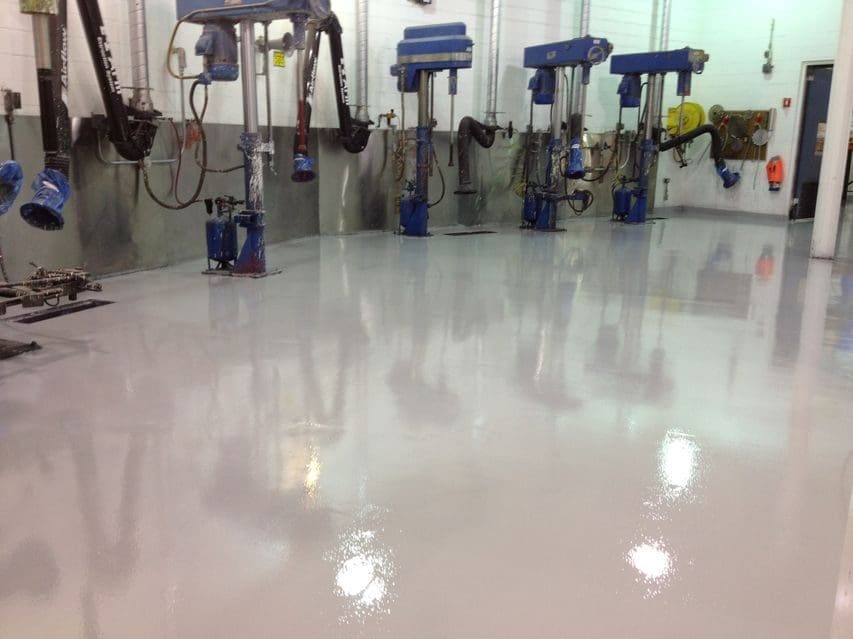
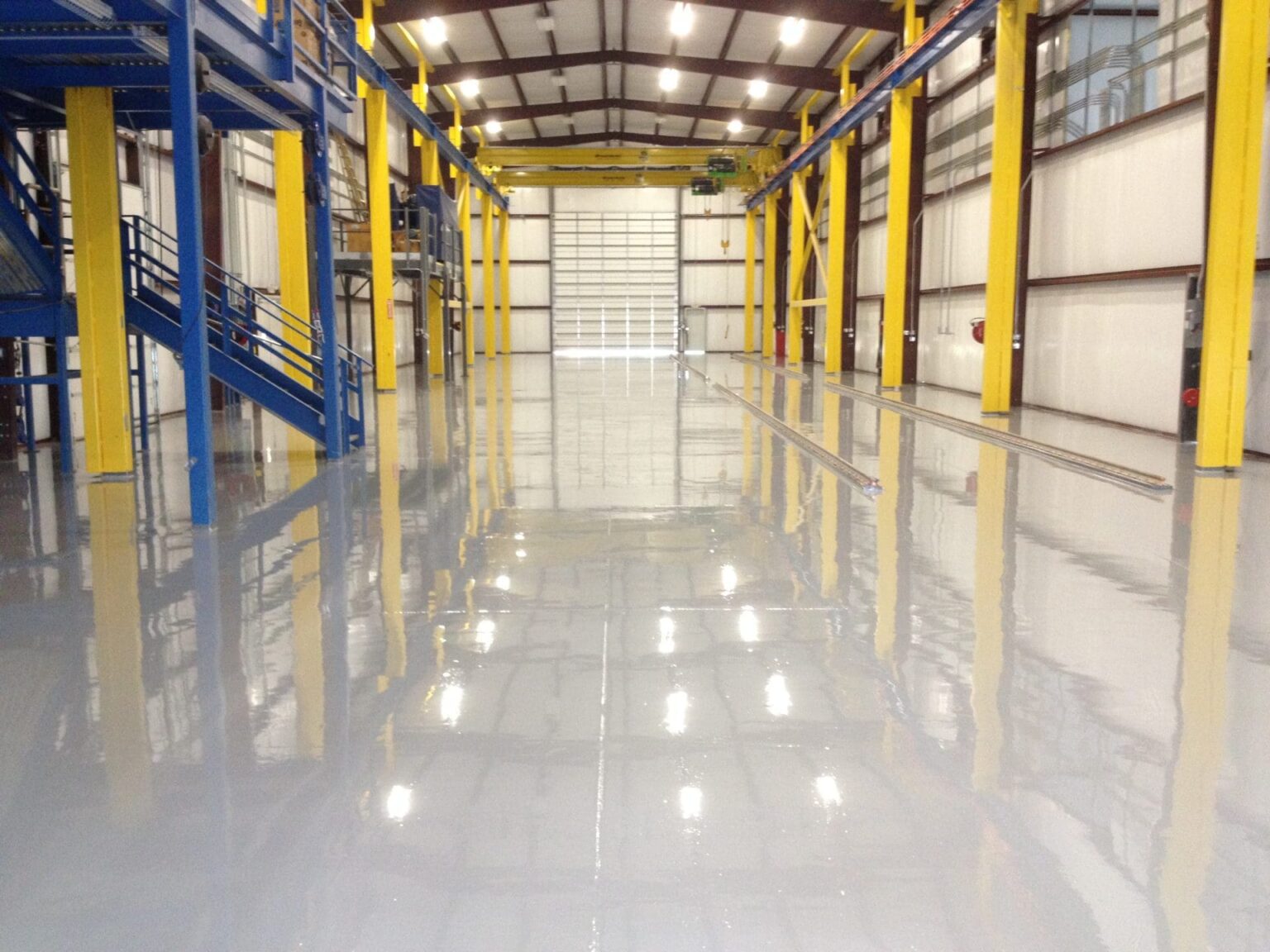
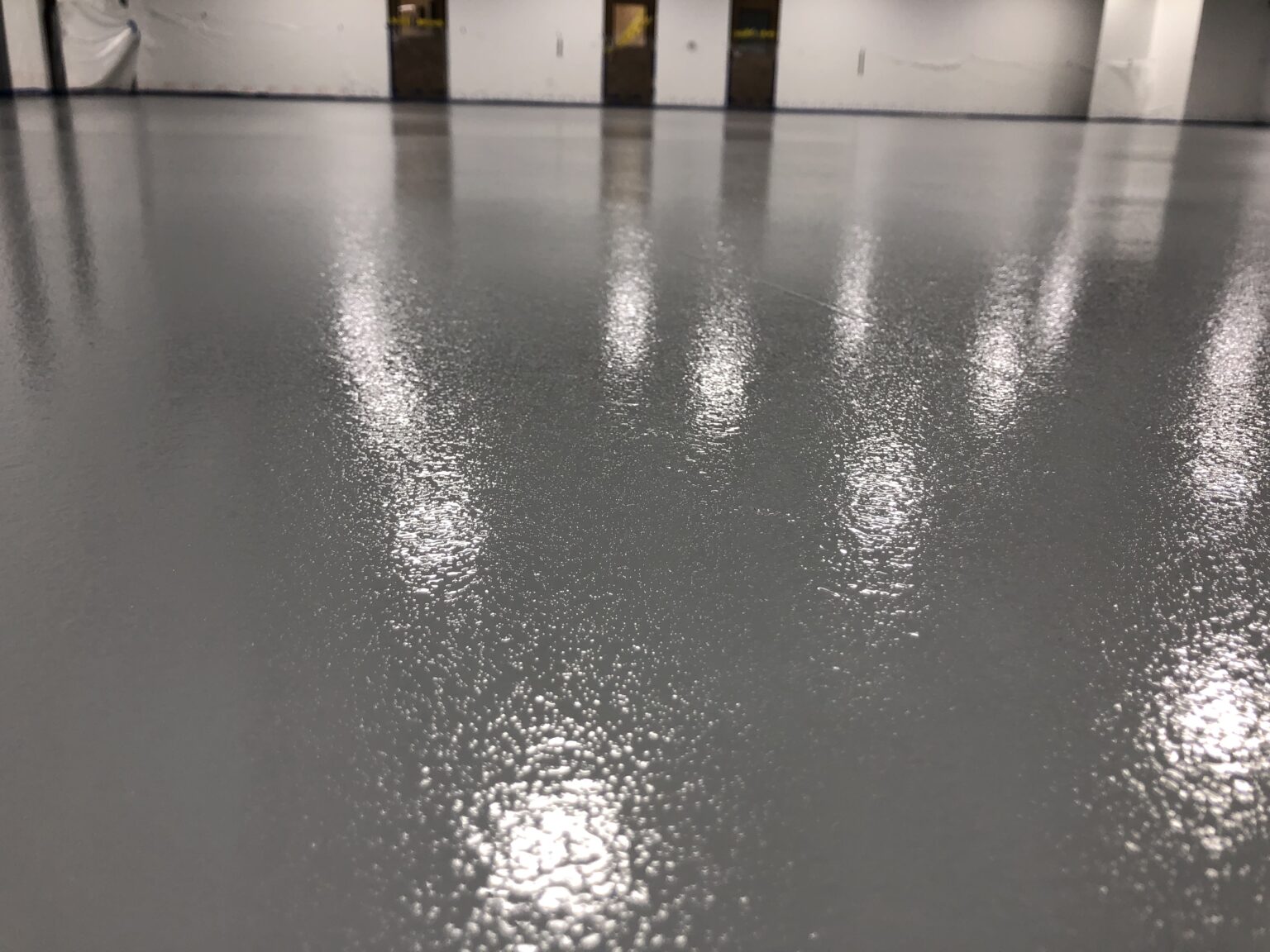
ATF-Licensed Commercial Storage
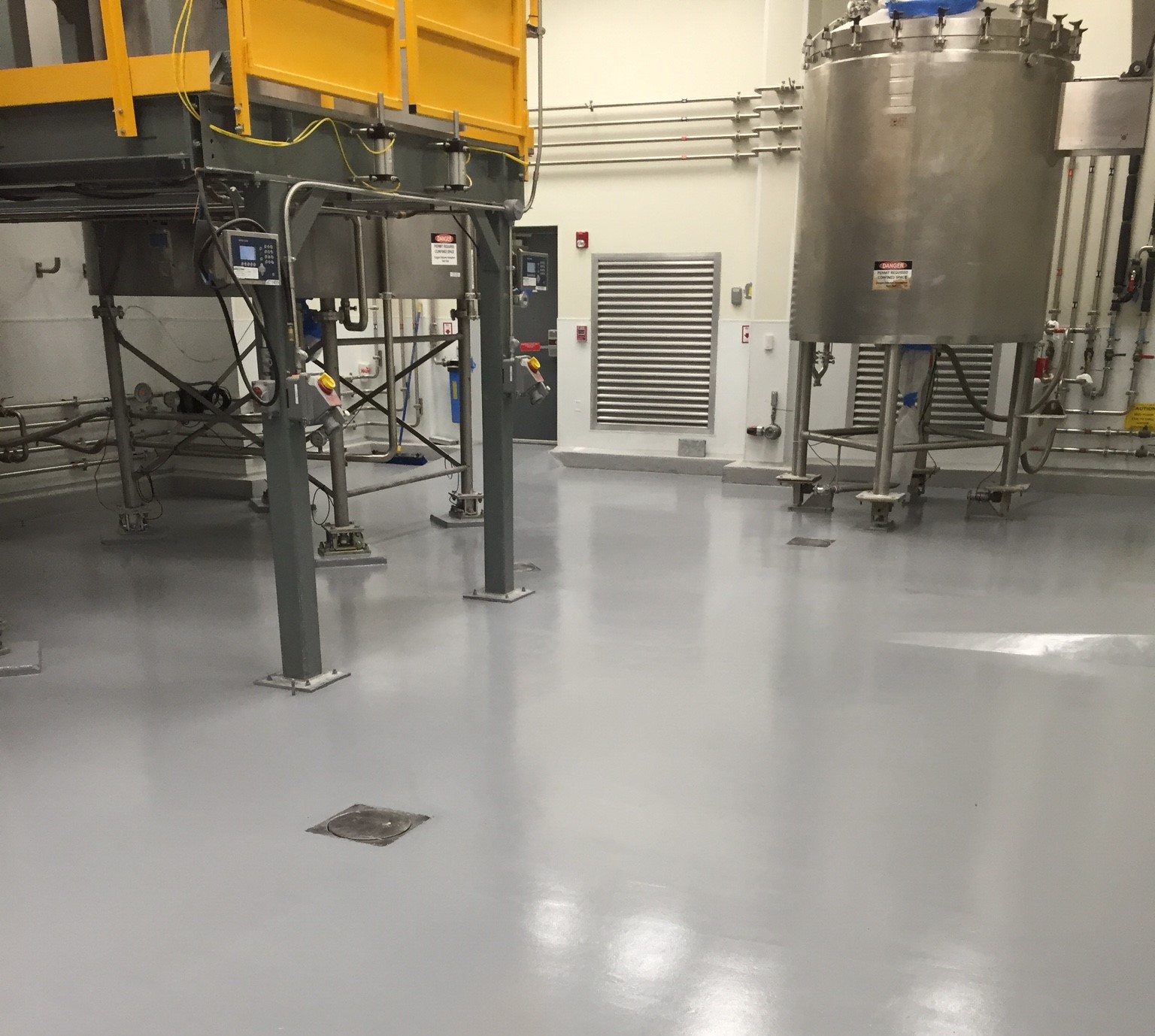
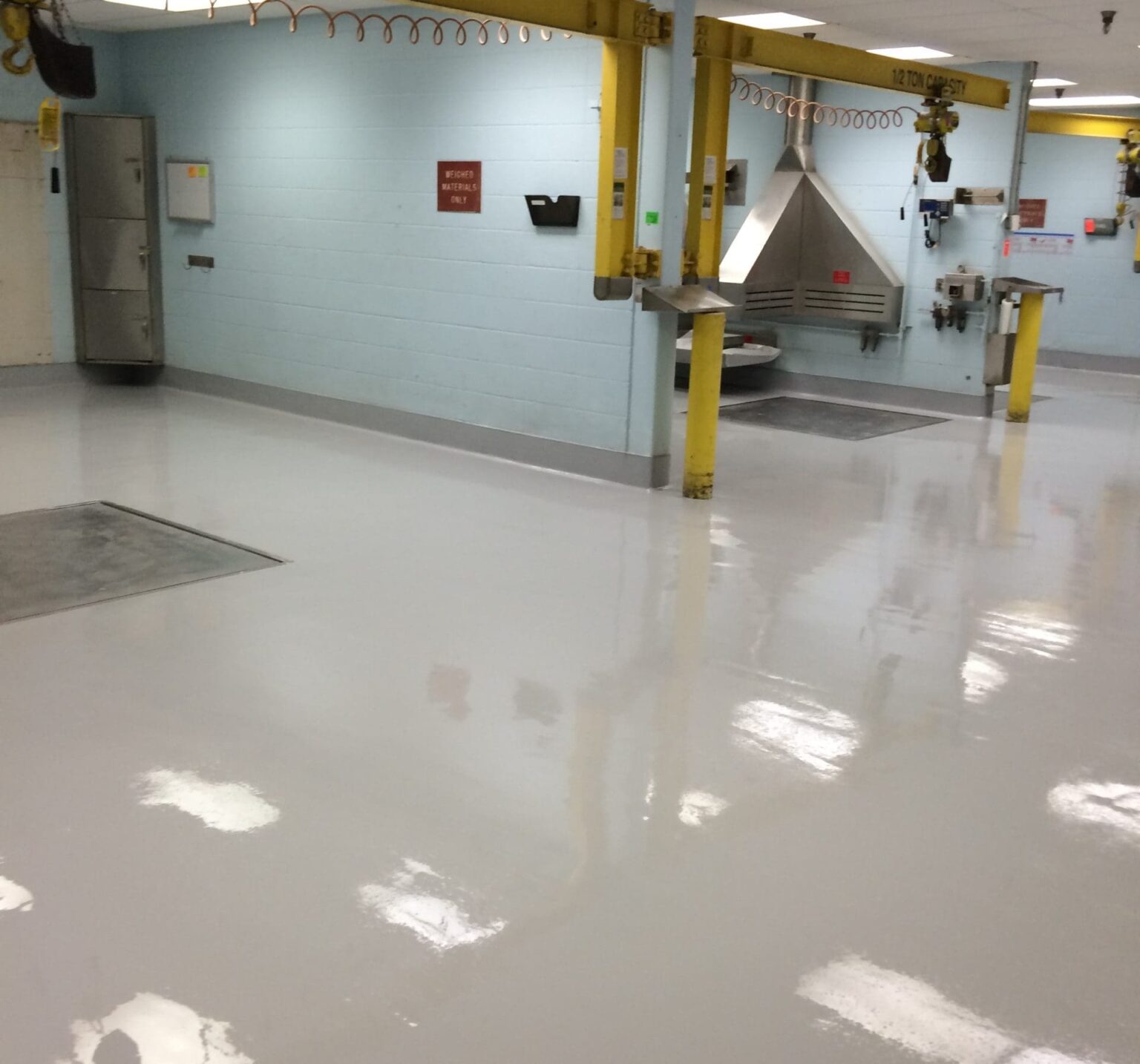
The ATF Federal Explosives License (FEL) framework under 27 CFR Part 555 defines five magazine types by construction and intended use. Type 1 and 2 are indoor and outdoor permanent magazines for high explosives. Type 3 is a day-box for temporary attended storage. Type 4 is for low explosives and blasting agents. Type 5 is for ammonium nitrate and certain blasting agents in bulk. Every type specifies conductive, non-sparking floor construction through its reference to NFPA 495.
PumaCRETE® builds ATF-licensed magazine floors to the full NFPA 495 and ATF 27 CFR Part 555 construction envelope, with test documentation ready for ATF inspection and tied to as-built floor layouts.
This page sits under Explosives Storage & Depots.
Standards & Compliance Framework
ATF-licensed facilities answer to a stack of federal regulations with NFPA 495 providing the primary construction specifications.
OSHA 29 CFR 1910.109
Explosives and Blasting Agents. Worker-safety baseline.
IME SLP Series
Institute of Makers of Explosives. Industry-authored safety practices for commercial storage.
DOT 49 CFR 173
Shippers — General Requirements. Transport staging from magazines.
Technical Requirements by Magazine Type
Type 1 and Type 2 magazines (permanent high explosive storage) carry the full construction envelope. Type 4 and Type 5 (low explosives and blasting agents in bulk) share the resistance envelope with modified construction requirements.
| Property | Requirement | Reference |
|---|---|---|
| Resistance to Ground | 25,000 ohms – 1.0 × 10⁶ ohms | NFPA 495, ATF 27 CFR 555 |
| Point-to-Point Resistance | < 1.0 × 10⁶ ohms | ANSI/ESD STM7.1 |
| Spark Behavior | Non-sparking; no exposed ferrous aggregates | NFPA 495 |
| Impact Resistance | Pallet, drum, forklift-tire impacts | ASTM D2794 |
| Abrasion Resistance | Pallet jack and forklift traffic | ASTM D4060 |
| Seamless Construction | Monolithic — no joints trapping explosives fines | NFPA 495 best practice |
| Moisture Resistance | Sealed against moisture migration (critical for AN) | Facility-specific |
| Documentation | ATF-inspection-ready resistance maps | ATF 27 CFR 555 |
ATF inspection note
ATF inspectors review the magazine construction record during periodic license inspections. The PumaCRETE test documentation — STM7.1 resistance maps and point-to-point verification — is formatted and labeled for direct inclusion in the facility compliance record.
The PumaCRETE® System Families
Two product families cover the full DoD and explosives pillar. Each sub-industry page specifies the system most often used for that application; the three families below are the common foundation.

PumaCRETE 200-PumaESD-c
THICKNESS: 13-45 mils enhanced durability for impact and frequent motorized lift traffic, or restoration of damaged concrete surfaces)
Mid-build conductive epoxy coating. Primer rooms, igniter assembly, pyrotechnic mixing, lighter-duty cartridge production.
Target Resistance
25,000 ohms – 1.0 × 10⁶ ohms
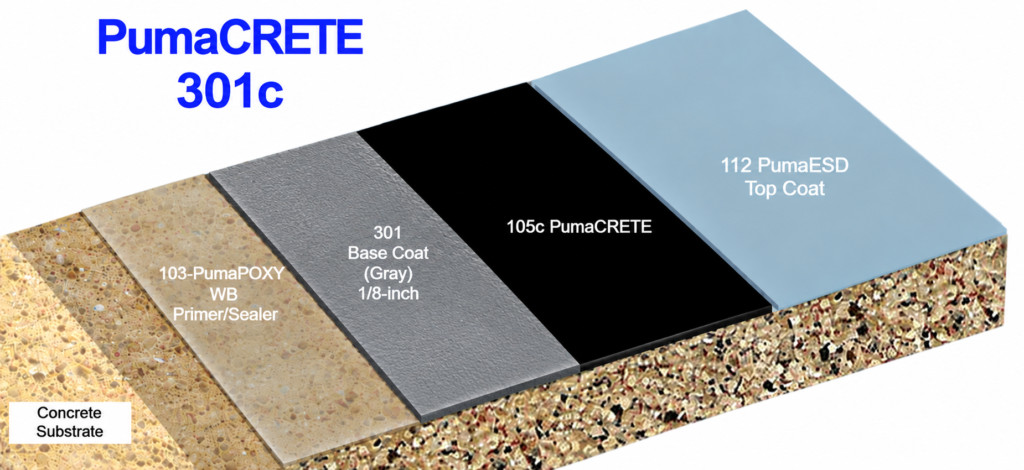
PumaCRETE 301-PumaESD-c
THICKNESS: 1/8 inch (enhance durability for impact and frequent motorized lift traffic, or restoration of damaged concrete surfaces)
Heavy-duty 1/4″ conductive urethane cement topping. Rocket motor casting, LAP lines, artillery production, DoD magazines, mine stores.
RESURFACER ADVANTAGES
Enhanced durability for impact and frequent motorized lift traffic, or restoration of damaged concrete surfaces.
Custom resistance tuning:
For Class 0 initiator work and the most sensitivity-critical operations, PumaCRETE can tune systems as low as 400,000 ohms with charge-generation under 20 volts. Contact our engineering team for a facility-specific recommendation.
ATF-Licensed Facility Types
PumaCRETE serves the full DoD military-storage inventory.
Type 1 — Permanent Indoor
Indoor permanent magazines for high explosives. Typical construction: masonry or steel with conductive flooring, limited quantity-distance exemptions.
Type 2 — Permanent Outdoor
Outdoor permanent magazines (igloos, aboveground structures) for high explosives. The most common commercial high-explosive storage type.
Type 4 — Low Explosives / Blasting Agents
Low explosives and blasting agent storage — the most common magazine type for commercial blasting contractors.
Type 5 — AN & Bulk Blasting Agents
Ammonium nitrate and bulk blasting agent storage. Additional moisture-protection and anti-contamination requirements.
Why ATF Facilities Share the DoD Floor Spec
Delivering the specified resistance envelope is a system problem — floor material, substrate preparation, grounding network, and verification testing all have to work together. PumaCRETE installs through a nationwide network of factory-trained crews.
Dissipative
106–109 ohms. Protects electronics. Not sufficient for explosives work.
Conductive
25,000–106 ohms. Protects personnel, product, and facility. Required for all DoD and explosives work.
Installation, Grounding & Field Testing
Delivering the specified resistance envelope is a system problem — floor material, substrate preparation, grounding network, and verification testing all have to work together. PumaCRETE installs through a nationwide network of factory-trained crews.
Surface Preparation
Concrete is diamond-ground or shot-blasted to CSP 3–4. Cracks and spalled joints are repaired. Moisture-vapor transmission is tested per ASTM F1869 and F2170. Type 5 AN storage installations require moisture-protection substrate preparation beyond the standard ASTM F1869/F2170 verification.
Grounding Network
Conductive grounding strips are embedded at columns or designated ground points every 1,500 square feet, bonded to the building's earth ground.
Compliance Verification
- ▸Resistance to Ground — tested per ANSI/ESD STM7.1 using a 100V megohmmeter on a grid pattern.
- ▸Point-to-Point Resistance — verified between randomly selected locations.
- ▸Documentation — full test report for the facility safety file and DoD / ATF / OSHA audit record.
Frequently Asked Questions
ATF-Licensed Facility Flooring FAQ's
ATF 27 CFR Part 555 defines five magazine types. Type 1 and 2 are permanent indoor and outdoor magazines for high explosives. Type 3 is a day-box for temporary attended storage. Type 4 is for low explosives and blasting agents. Type 5 is for ammonium nitrate and certain blasting agents in bulk. Each type references NFPA 495 for construction, including the conductive non-sparking floor requirement.
Yes. PumaCRETE systems meet both the resistance envelope (25,000 ohms to 106 ohms) and the non-sparking construction standard required for all ATF magazine types. Test documentation is formatted for direct inclusion in the facility compliance record.
The 301 Series conductive urethane cement is the standard for permanent outdoor magazines. The system handles the forklift and pallet traffic typical of commercial high-explosive storage while meeting the NFPA 495 non-sparking requirement.
Yes. Type 5 magazines for bulk ammonium nitrate and blasting agents are a core PumaCRETE customer segment. These facilities require moisture-protection substrate preparation beyond the standard install — AN is hygroscopic, and uncontrolled moisture migration into the slab creates both safety and material-quality problems.
Yes. Type 3 day-boxes for temporary attended storage specify the 200 Series conductive epoxy. The resistance envelope is the same; the construction scale is smaller.
Yes. ATF-licensed manufacturers (producing commercial explosives), importers (bringing commercial explosives into the US), and dealers (selling commercial explosives) all operate magazines under the Part 555 framework. PumaCRETE serves all three categories.
Yes. The seamless monolithic finish prevents explosives dust and fines from accumulating in joints — a specific requirement under DoD 6055.09-M for magazine construction.
At least annually, typically aligned with the facility's ATF compliance inspection cycle. More frequent verification is recommended for high-turnover commercial operations.
Resistance test reports stand on their own as construction-compliance records. They do not interact with the ATF inventory records (ATF Form 5400.4 and related), which track quantities and dispositions rather than facility construction.
EXPERIENCE AND EXPERTISE
Specify PumaCRETE for Your ATF-Licensed Facility
Commercial high-explosive manufacturer, blasting-agent importer, or ATF-licensed dealer operating permanent magazines — PumaCRETE engineers the floor to the full NFPA 495 and ATF 27 CFR Part 555 envelope.
