Semiconductor · Electronics · Pharma · Medical Device · Aerospace
Anti-Static Floors for ISO Class 5–8 Clean Rooms
ESD cleanroom flooring that does two jobs at once: a seamless, non-shedding surface with no joints to trap particles, and a grounded static control system that keeps charge off people, product and equipment. Static dissipative and conductive PumaESD epoxy and urethane systems, tested to ANSI/ESD S20.20.
GET A QUOTE

No joints to trap particles
Seamless, easy-clean surface
Body voltage under 15 V
Zero-VOC, low-odor options
Dissipative or conductive
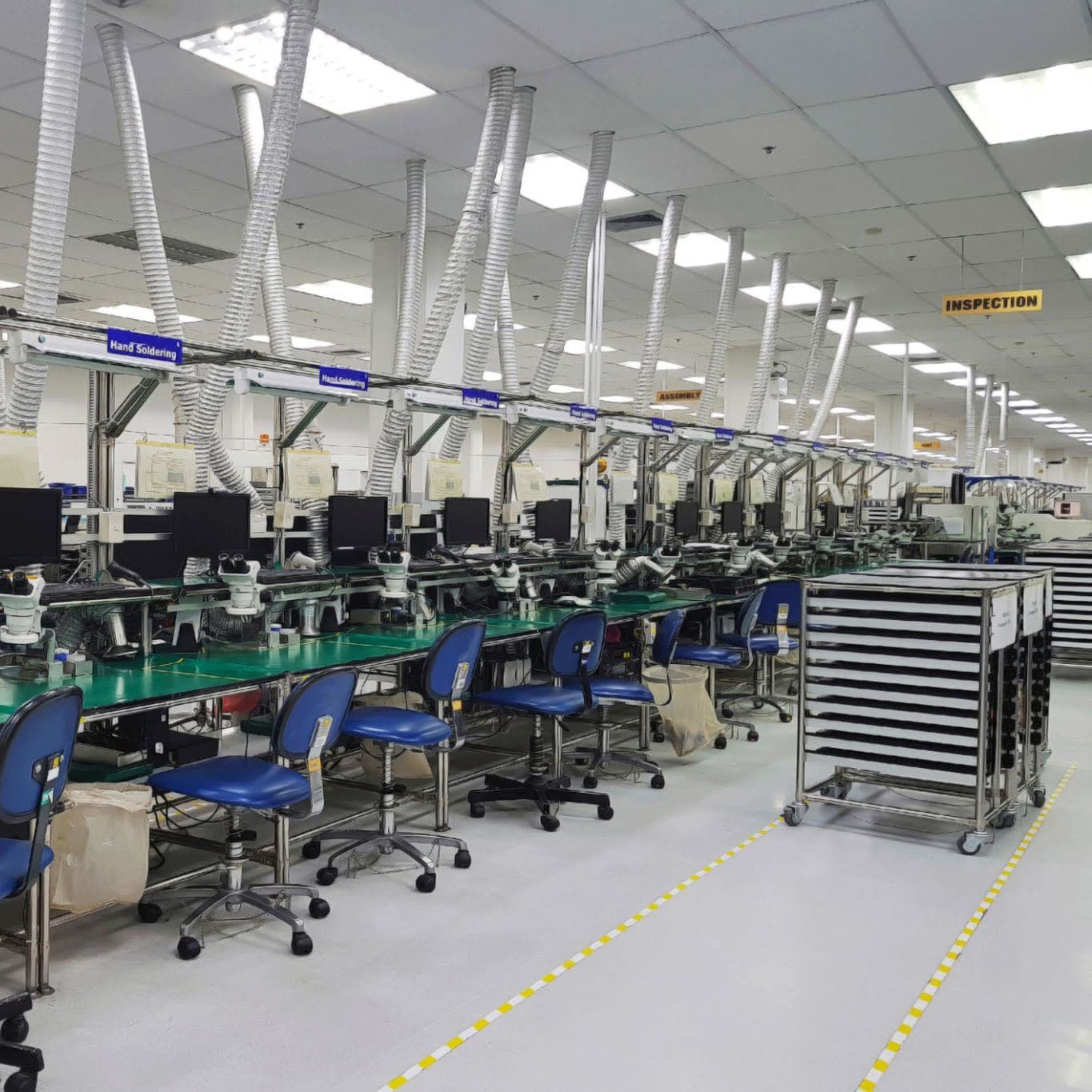
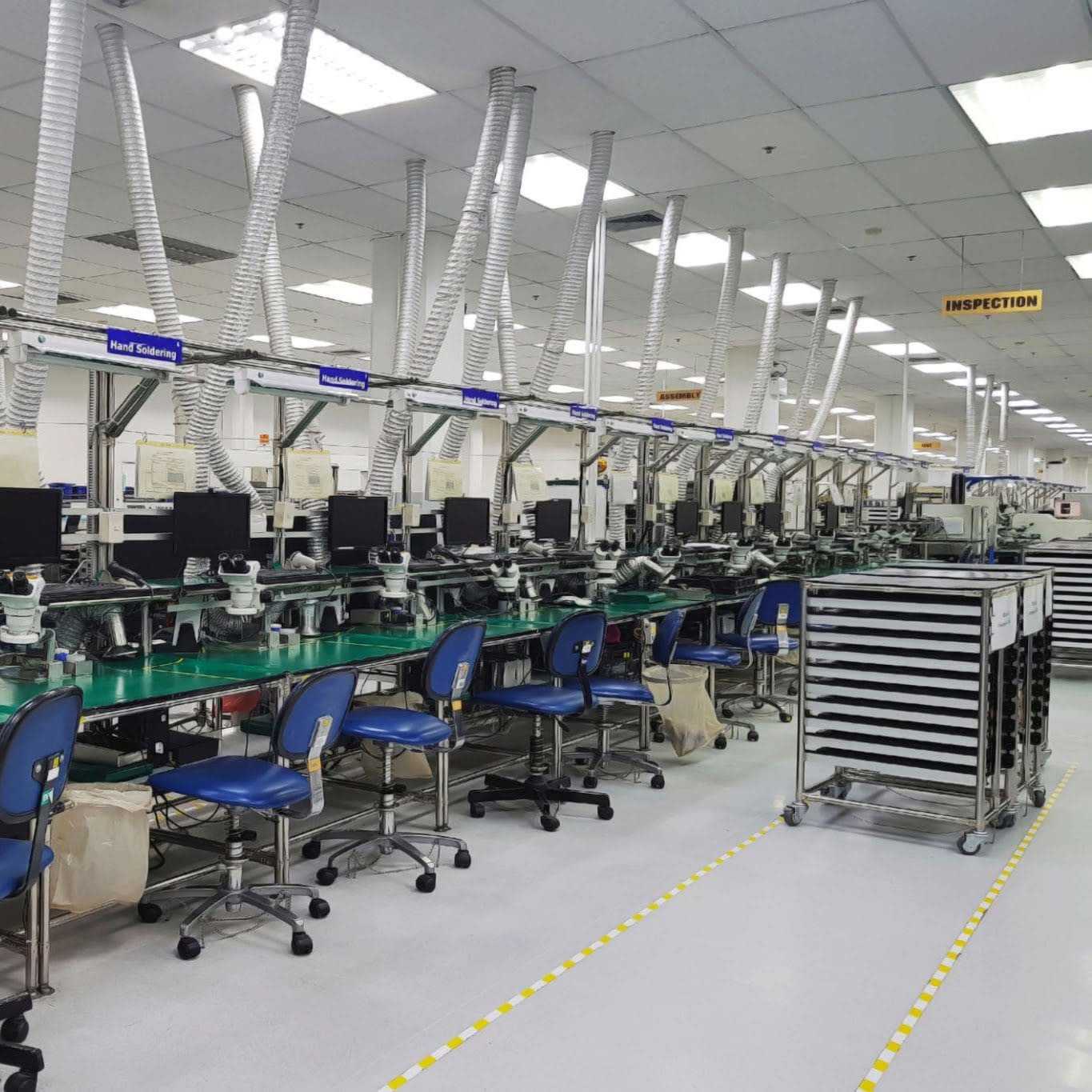

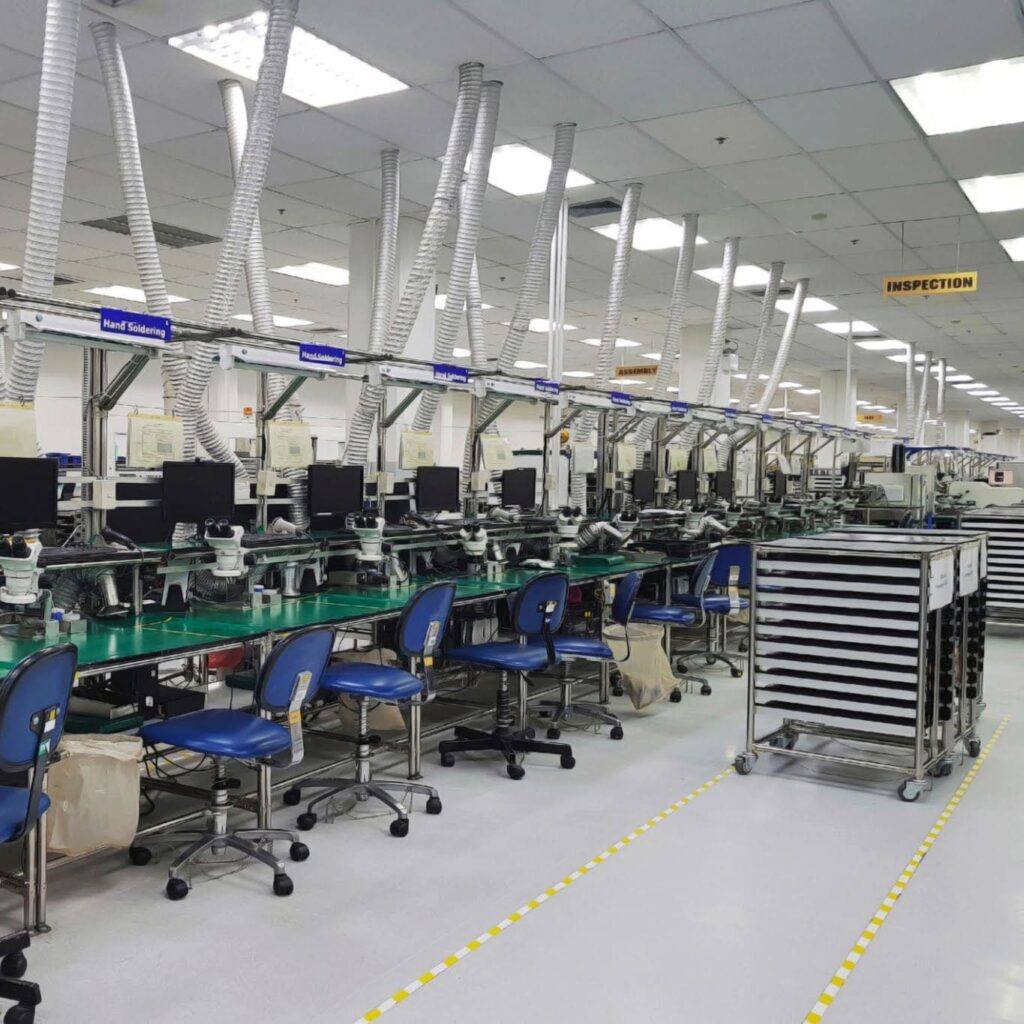
ESD Cleanroom Flooring: Contamination Control and Static Control in One Floor
ESD cleanroom flooring is a seamless, non-porous resin floor — usually epoxy with a urethane topcoat — that is also grounded and static dissipative or conductive. It gives a controlled environment a smooth, cleanable, non-dusting surface and drains static charge before it can damage devices or pull particles onto product.
Clean rooms make static worse, not better. Humidity is often held low, operators wear synthetic gowns, and wafers, trays, bags and packaging are mostly insulators. Charged surfaces attract airborne particles, so static becomes a contamination problem as well as an ESD damage problem. The semiconductor industry addresses this in SEMI E129, its guide to assessing and controlling electrostatic charge in manufacturing facilities.
An anti-static cleanroom flooring system is the foundation of that control. Paired with ESD footwear and grounded carts, PumaESD systems hold walking body voltage below 15 volts while giving you the smooth, hard, easily cleaned surface that pharmaceutical and device regulators expect. Compare every system on our ESD and conductive flooring overview.
Cleanroom Classes and the Right ESD Floor for Each
Cleanrooms are classified by ISO 14644-1 according to how many airborne particles 0.5 µm and larger are allowed per cubic meter. Ordinary indoor air holds roughly 500,000 to 1,000,000 such particles per cubic foot; an ISO Class 5 room allows about 100.
| ISO class | Former FS 209E | Max particles ≥ 0.5 µm / m³ | Typical spaces | Typical PumaESD choice |
|---|---|---|---|---|
| ISO 4 | Class 10 | 352 | Semiconductor fab bays | Often raised perforated floor; PumaESD for sub-fab, chases and support |
| ISO 5 | Class 100 | 3,520 | Wafer handling, aseptic critical zones, optics | 200d or 201d PumaESD, smooth finish |
| ISO 6 | Class 1,000 | 35,200 | Microelectronics and medical device assembly | 201d PumaESD |
| ISO 7 | Class 10,000 | 352,000 | Compounding buffer rooms, device packaging, gowning | 201d or 301d PumaESD |
| ISO 8 | Class 100,000 | 3,520,000 | Ante rooms, support corridors, staging | 301d PumaESD where carts run |
The floor itself does not set the room’s class — filtration, airflow, gowning and procedures do. What the floor must do is avoid adding particles, survive the cleaning program and, wherever static-sensitive items are handled, control charge.
Anti-Static Cleanroom Flooring Requirements
Seamless & Non-Porous
No grout, seams or joints where particles and microbes collect.
Non-Shedding
A cured, monolithic surface that does not dust like bare or sealed concrete.
Static Control
Resistance to ground below 1.0 × 10⁹ Ω; body voltage below 100 V (PumaESD: under 15 V).
Cleanable
Smooth or fine-textured finishes that mop clean, with no wax or sealer to maintain.
Chemical Resistant
Topcoats rated for acids, alkalis and solvents; confirm your disinfectants against the data sheets.
Integral Cove Base
Floor-to-wall coving detailed per project, removing the corner where dirt builds up.
Low Odor & VOC
200d PumaESD is zero-VOC and low-odor for work near occupied clean spaces.
Moisture Tolerant
Low-humidity rooms pull vapor up through slabs; the 104 PumaPOXY MB primer blocks it.
Clean Room ESD Flooring by Industry
| Industry | Governing references | Floor priorities |
|---|---|---|
| Semiconductor & microelectronics | ISO 14644-1, ANSI/ESD S20.20, SEMI E129 | Static dissipative, non-shedding, chemical resistant |
| Electronics & PCB assembly | ANSI/ESD S20.20, IEC 61340-5-1 | Low body voltage, durable under carts. See ESD epoxy for electronics |
| Pharmaceutical & biotech | 21 CFR 211.42 (smooth, hard, easily cleanable surfaces for aseptic processing); EU GMP (EudraLex Vol. 4) Annex 1 | Seamless, impervious, disinfectant resistant, coved |
| Compounding pharmacies | USP <797> (ISO 5 / 7 / 8 areas) | Smooth, cleanable surfaces free of cracks and crevices |
| Medical devices | ISO 13485 quality systems, ISO 14644 controlled environments | Cleanable and often ESD-controlled for electronic devices |
| Aerospace, optics & space hardware | ISO 14644-1, ANSI/ESD S20.20 | Low particles, static control, cart traffic |
| Battery & EV dry rooms | Owner specs; very low dew point | Static control in extremely dry air; moisture-blocking primer |
Professional resources: IEST (Institute of Environmental Sciences and Technology). Regulations describe surface properties rather than approving brands, so your validation file should include the data sheets and the post-installation test report.
ESD Epoxy Cleanroom Flooring Systems
The 200d and 201d PumaESD data sheets list clean rooms as a primary application. Choose by slab condition and traffic, then choose dissipative or conductive:
200d PumaESD
104 PumaPOXY MB primer plus 112 PumaESD topcoat. Smooth semi-gloss, or an extra-fine glass-bead texture that stays mop-cleanable.
- Thickness: 19 mils (29–35 with mid coat)
- Resistance: 105–108 Ω typical
- Return: foot traffic 24 h
201d PumaESD
High-build epoxy with a chemical-resistant aliphatic polyester ESD urethane for moderate traffic and frequent wet cleaning.
- Thickness: 24–45 mils
- Resistance: 105–108 Ω typical
- COF: 0.6 (ADA)
301d PumaESD
Urethane concrete resurfacer for damaged slabs, wet process rooms, carts and lifts, with satin anti-slip finish.
- Thickness: 1/8–3/16 in.
- Water absorption: 0.64%
- Compressive strength: 8,820 psi
Conductive Cleanroom Flooring
Clean rooms that assemble electro-explosive devices, initiators, propellant-actuated devices or other energetic components need conductive cleanroom flooring. The 200c, 201c and 301c PumaESD versions provide 75,000–300,000 Ω typical with the same seamless, cleanable finish. See conductive epoxy flooring and EED flooring.
Installing an ESD Floor in a Clean Room
Floor work in or next to an operating clean room has to protect the rest of the facility. A typical project runs like this:
- Plan with your contamination control team. Containment, pressure relationships, access routes and work hours.
- Test the slab. Moisture per ASTM F1869 / F2170 and a review of existing coatings and joints.
- Prep dust-controlled. Diamond grinding with HEPA-filtered vacuums; cracks and joints repaired flush.
- Ground and apply. Copper ground strips to building ground, primer, conductive layer, ESD topcoat and integral cove.
- Cure, test and document. Resistance-to-ground and walking body voltage readings in a written report.
- Clean and hand back. Final cleaning so the room can be re-certified to its ISO class.
EP Floors has installed seamless clean room floors across the U.S. for over 30 years — see their clean room flooring and pharmaceutical clean room flooring work.
Three Ways to Buy One Engineered ESD System
Turnkey Installation
Factory-trained applicators handle prep, ground grid, application, resistance testing and written certification. Find an installer through EP Floors ESD flooring installation or our nationwide service areas.
Direct Material Sales
Buy PumaESD materials direct from the manufacturer for your own crew or contractor, with the technical data sheets, prep and installation guide and tech support behind them.
On-Site Factory Training
A PumaCRETE site trainer works alongside your maintenance team or local contractor on the first installation. See on-site training and material sales.
Cleanroom Flooring Options and Cost
| Option | Strengths | Limitations |
|---|---|---|
| Seamless ESD epoxy / urethane (PumaESD) | No seams; integral cove; handles carts and lifts; conductive layers built in | Requires slab prep and cure time |
| Heat-welded ESD sheet vinyl | Factory consistency | Welded seams and adhesive; vulnerable to point loads and moisture |
| ESD vinyl tile | Easy to replace a tile | Many seams; grounding depends on adhesive and tape |
| Raised perforated floor | Airflow for the most critical bays | High cost; the slab below still needs sealing |
What drives cost: system tier, slab condition, moisture mitigation, ESD grounding, integral cove base, room size and after-hours phasing. Send your room list for a written quote.
For long life in a clean enviroment, clean with a neutral or approved disinfectant, avoid waxes and sealers, and retest resistance at least once a year — see cleaning and maintenance.
Frequently Asked Questions
ESD Cleanroom Flooring FAQ
ESD cleanroom flooring is a seamless, non-porous resin floor that is also grounded and static dissipative or conductive. It gives a clean room a smooth, cleanable, non-dusting surface while draining static charge from people, carts and equipment.
Clean rooms are often kept at low humidity and filled with insulating materials such as gowns, trays and packaging, so static builds easily. Static can damage sensitive devices and attracts airborne particles to product and surfaces, which works against contamination control.
PumaESD systems are commonly used in ISO 14644-1 Class 5 through Class 8 rooms and in the support areas of ISO 4 semiconductor fabs. The floor does not set the room's class; filtration, airflow and procedures do, but a seamless non-shedding floor supports the classification.
Most ESD cleanroom floors combine both: an epoxy primer and conductive layer for adhesion and grounding, with an aliphatic urethane topcoat for wear and chemical resistance. Heavy carts, wet processes or damaged slabs call for a urethane concrete resurfacer such as 301d PumaESD.
FDA regulations at 21 CFR 211.42 call for floors in aseptic processing areas that are smooth, hard and easily cleanable, and EU GMP Annex 1 calls for smooth, impervious, unbroken surfaces. Regulators do not approve flooring brands, so a seamless resin floor is documented with data sheets and test reports in your validation file.
Yes. The 200c, 201c and 301c PumaESD conductive systems test 75,000 to 300,000 ohms typical and are used in clean rooms that assemble electro-explosive devices, initiators or other energetic components.
Yes. Work is planned with your contamination control team, contained, and prepped with HEPA-filtered grinding. Low-odor, zero-VOC 200d PumaESD accepts foot traffic in 24 hours, and the room is cleaned for re-certification afterward.
Cost depends on the system tier, slab condition, moisture mitigation, ESD grounding, cove base, room size and after-hours phasing. PumaCRETE provides a written quote and a free site estimate.
EXPERIENCE AND EXPERTISE
Get a Quote for ESD Cleanroom Flooring
Send your room list with ISO classes, square footage, slab condition and cleaning chemicals. We will recommend the right PumaESD system and return a written quote and installation plan.
